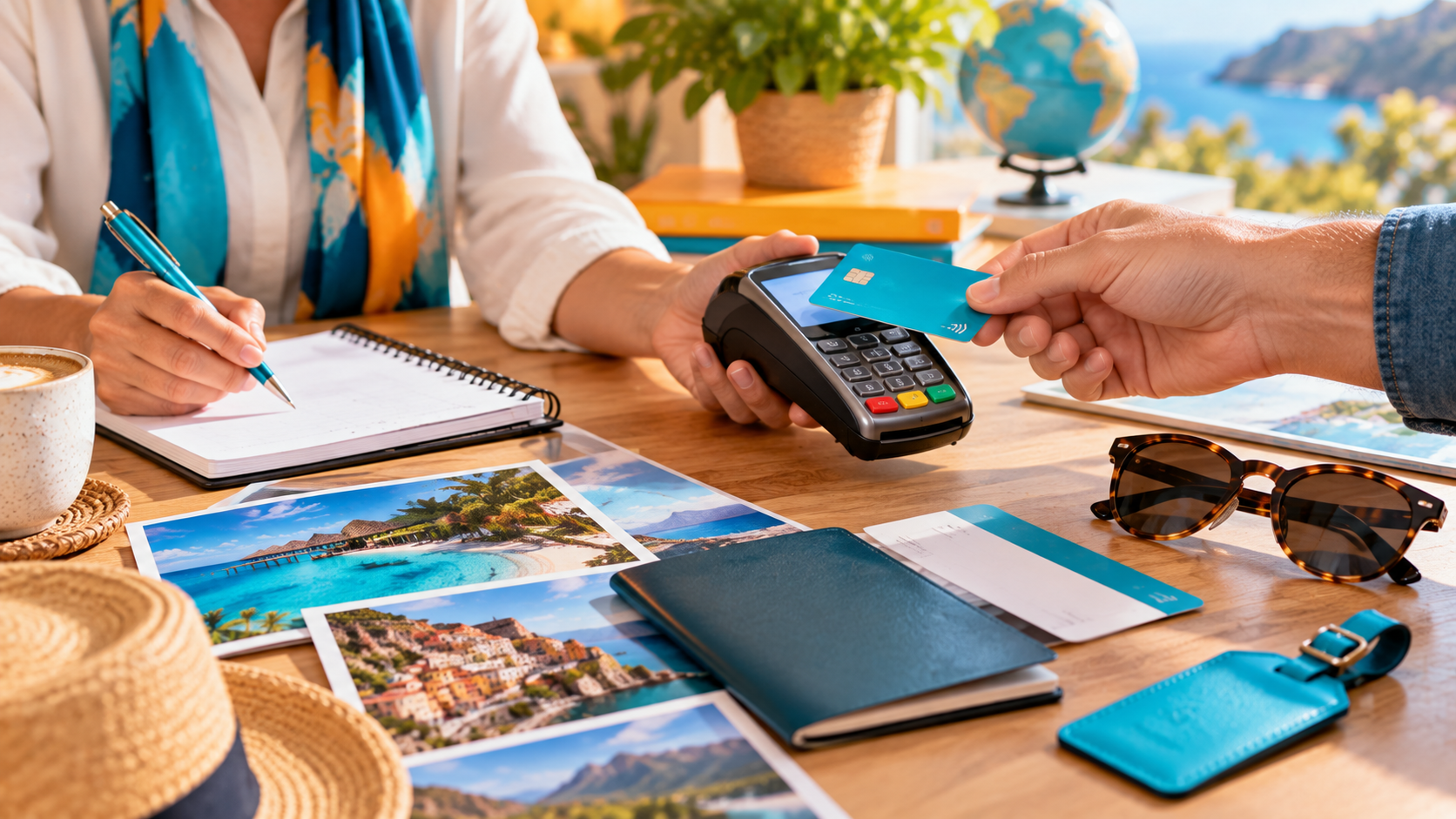
Where to Find New Leads in Autumn
Where to Find New Leads in Autumn

Autumn can feel like an awkward middle ground in travel. The summer rush has eased, Christmas is still ahead and January Peaks can seem a long way off. For a travel homeworker, though, that quieter change of pace can be one of the best times of year to build a stronger pipeline of future clients.
A good lead generation autumn travel strategy is not about posting more holiday deals and hoping somebody happens to enquire. It is about noticing where fresh travel conversations are already beginning, giving people a useful reason to remember you and creating simple routes from interest to enquiry.
Autumn brings several natural opportunities together at once. Summer travellers are back and talking about their trips. Families are thinking about school holidays for next year. Couples are planning honeymoons and weddings. Winter sun, ski, Christmas markets and long-haul travel move back into view. Local groups, clubs and business networks become active again after the summer. If you know where to look, there are new leads all around you.
This guide is designed mainly for people considering travel homeworking and for independent travel consultants who want a more practical way to find clients. If you are still at the very beginning, our guide to getting travel clients from scratch is a useful companion to this article.
Why Autumn Creates Different Lead Opportunities
Travel demand does not disappear when summer ends. It changes shape. That matters because different seasons create different reasons for people to start a conversation with a travel consultant.
In September and October, some clients are reacting to the holiday they have just had. They may want to repeat it, improve on it or try somewhere completely different next time. Others are looking ahead because they want something to break up the darker months. Parents may start thinking about Easter or summer 2027 before prices and availability tighten. Couples planning weddings often move from vague honeymoon ideas into proper research. Cruise clients may already be considering their next sailing.
For a new travel homeworker, autumn is useful because you do not need one huge campaign. You can build several smaller routes into your business, then learn which ones produce the best conversations. That is far healthier than relying entirely on one social platform or buying a list of cold leads you have no relationship with.
If you already have a seasonal plan, use it as the framework. Our autumn marketing action plan for travel agents explains how to turn seasonal priorities into manageable weekly activity.
Start With People Who Are Already Warm
New leads do not always have to come from strangers. One of the strongest autumn opportunities is the group of people who already know who you are.
Think about recent summer clients, people who asked for a quote earlier in the year, previous customers whose normal booking cycle is approaching, colleagues who know you now work in travel, friends who regularly recommend you and social followers who have engaged with your destination content without enquiring yet.
The key is not to send everybody the same sales message. Look for a genuine reason to reopen the conversation. A family who has just returned from Majorca might be ready to discuss next summer. A couple who mentioned a milestone birthday next year may appreciate ideas before availability narrows. Someone who asked about the Maldives but postponed the trip may now be looking at winter sun again.
Use your records properly. Note what people asked about, when they wanted to travel and what stopped them booking. Follow up where it is appropriate, and respect marketing preferences and the permissions attached to the contact data you hold.
Turn good summer service into introductions
Autumn is also a natural time to ask satisfied clients for recommendations. Their trip is still fresh, photographs are still being shared and friends are often asking where they went. A recommendation at that moment feels far more natural than a generic “refer a friend” message six months later.
You do not need an elaborate reward scheme. Start by making it easy for a happy client to pass on your details. If you want a more structured approach, our guide to creating a referral campaign after summer explains how to build one around trust rather than gimmicks.
Look Locally When Autumn Routines Restart
September often resets local life. Schools are back, clubs restart, workplaces settle into routine, networking groups become busier and community events return. That creates opportunities for a home-based travel business that simply do not exist in the same way during the peak summer holiday period.
You might introduce yourself to a local business network, support a community fundraiser, attend a wedding fair, speak with a sports club about group travel, build relationships with local employers or collaborate with a business whose customers overlap with yours. A wedding photographer or bridal boutique may meet honeymoon clients. A gym or wellness studio may know people interested in spa and wellbeing breaks. A golf club, walking group or social club may contain members who organise trips together.
These relationships work best when you are useful first. Do not walk into every local group trying to sell a holiday. Be known as the person who understands travel, answers questions clearly and can help when somebody needs expertise.
Our guide to local marketing for travel consultants goes deeper into community visibility, networking and being found locally online.
Use Google and Local Search to Catch High-Intent Leads
Some autumn leads are already looking for help. They are not scrolling for inspiration. They are actively searching for a travel agent, honeymoon specialist, cruise consultant or someone local who can help with a complicated trip.
That is why your Google Business Profile, website, local pages and reviews matter. Make sure your business description clearly says what you do, your service area is accurate, your contact route works and recent reviews show the experience clients can expect from you.
Autumn is a good time to refresh the profile with recent photos, useful updates and seasonal services. If you specialise in cruise, winter sun, skiing, honeymoons or family holidays, make that expertise visible rather than describing yourself only as somebody who “books holidays”.
Local search is particularly valuable for an independent travel consultant because it connects human service with intent. Someone searching for a travel consultant nearby may already have crossed the biggest hurdle - they have decided they want help.
Turn Summer Questions Into Autumn Content
Your best lead-generation ideas are often hiding in the questions clients asked you over the summer.
What confused people about baggage? Which destinations were compared again and again? Did several families ask about school-holiday pricing? Were cruise clients unsure about cabin categories? Did clients ask when they should book Lapland, Florida or a honeymoon? Those questions can become social posts, short videos, blog articles, email content and downloadable guides.
This is more useful than posting a random stream of supplier offers because it reflects real customer concerns. One good answer can attract somebody who has exactly the same question but has never heard of you before.
If you want to turn a seasonal question into something that captures contact details, our guide to creating a seasonal travel lead magnet shows how to build a useful resource around genuine travel intent.
Choose subjects with a next step
Not every piece of content needs to sell, but it should be clear what somebody can do if they want more help. A post about first-time cruising can invite readers to ask about suitable sailings. A guide to winter sun can encourage people to share their dates and preferred flight region. A family travel checklist can lead naturally into a planning conversation.
Think of the content as the start of the relationship, not the end product. A lead is valuable because there is enough relevance and trust to continue the conversation.
Build an Email Audience Before January Peaks
Social media is useful for visibility, but you do not control its reach. Autumn is a good time to build an audience you can contact directly, with the right permissions, before the competitive January selling period.
You might invite people to join a short winter-sun series, receive cruise planning tips, get family holiday reminders or download a practical destination guide. The offer should match the sort of client you actually want to attract.
Once people have chosen to hear from you, do not immediately drown them in prices. Use email to demonstrate judgement. Share useful planning advice, explain when booking early matters, compare options honestly and show how you help clients make decisions.
If email is new to you, our beginner's guide to email marketing for travel agents explains the basics of building and using a list more effectively.
Go Where Your Niche Already Gathers
A niche becomes much more useful when it tells you where to find people.
If you specialise in honeymoons, think beyond travel groups and look at wedding suppliers, fairs and planning communities. If cruise is your focus, there are cruise communities, ship-specific groups and local clubs where experienced cruisers exchange advice. If you love walking holidays, cycling, diving, golf or motorsport, the relevant community may gather around the activity before travel is even mentioned.
Your job is not to invade those spaces with offers. Join conversations where it is appropriate, contribute knowledge and become recognisable. People are more likely to contact a specialist who has already demonstrated understanding than a stranger who arrives with a generic deal graphic.
If you are still deciding what you want to be known for, our guide to how to develop a travel niche explains why specialisation can make marketing and recommendations easier.
Create Partnerships That Make Sense in Autumn
Partnerships can create excellent leads because somebody else is effectively lending you some of their existing trust. The mistake is approaching random businesses and asking them to promote you.
Instead, look for a shared client need. A wedding supplier and a honeymoon specialist have an obvious connection. A local company planning incentive travel may value a consultant who can organise group arrangements. A theatre, sports or social group may occasionally need help coordinating travel. A photographer running overseas shoots might hear clients talk about destination weddings or milestone trips.
Keep the arrangement simple and transparent. Decide what each side is actually offering, how introductions will be handled and how clients will know who they are dealing with. The strongest partnerships feel useful to the customer, not like a cross-promotion exercise.
Use Seasonal Events as Conversation Starters
Autumn has plenty of moments that create travel conversations without needing a hard sell. Wedding fairs, Christmas markets, local business events, charity evenings, school-community events and seasonal pop-ups can all put you in front of new people.
You do not necessarily need a paid stand. Sometimes simply attending, networking and being able to explain clearly what you do is enough. If you do exhibit, give people a reason to stay in touch after the event. A useful guide, consultation offer or destination checklist is more valuable than collecting email addresses with no context.
Keep a record of where leads came from. “Met at local wedding fair” or “referred by sports club” tells you far more than “new enquiry”. By Christmas, you should be able to see which autumn activities generated real conversations and which only created noise.
Jamie Says:
“You do not need thousands of followers to find new clients in autumn. You need to be visible in the right places, useful when travel comes up and easy to contact when somebody is ready. The strongest leads often come from small moments - a past client recommending you, a local conversation, a useful post answering the right question or somebody finding you when they finally decide they want help. Build several of those routes rather than waiting for one magic source of enquiries.”
Do Not Measure Autumn Lead Generation by Likes
A post can receive dozens of reactions and produce no business. A local conversation with one person can lead to a £10,000 booking. That is why lead generation needs a simple way of measuring what happens after attention.
For each enquiry, record where the person first found you. Then track whether the enquiry was suitable, whether you quoted, whether they booked and whether they later referred somebody else. Over time, you will learn which channels bring the kind of client you want.
You do not need complicated software to start. A consistent source field in your CRM or enquiry process is enough to begin spotting patterns.
A simple autumn rhythm
Each week, choose a manageable mix rather than trying to do everything:
- Reconnect with a small number of appropriate past clients or warm enquiries.
- Create one useful piece of content based on a real client question.
- Take one local visibility action, such as attending an event or speaking to a potential partner.
- Ask a satisfied client for a review or recommendation where it feels natural.
- Check your enquiry sources and follow up properly.
The aim is consistency. Travel homeworking is a relationship business, and relationships rarely appear because you posted five times in one day and disappeared for the next three weeks.
What If You Are Starting With No Audience at All?
This is one of the biggest worries for people considering becoming a travel homeworker. You may enjoy travel and customer service but wonder where the clients would actually come from.
The honest answer is that you normally have to build your own client base. The Independent Travel Consultants provides the commercial framework, training, systems, supplier access and ongoing support behind your travel business, but sustainable enquiries come from the reputation and relationships you develop over time.
That can start smaller than you think. Your first useful audience might be colleagues, neighbours, former customers from another industry, a community group, people connected to a hobby or a handful of social followers who trust your judgement. You then build outward through service, referrals, content and visibility.
If you are exploring the model itself, you can learn more about what is involved when you join The Independent Travel Consultants, including the responsibilities, support and business structure behind travel homeworking.
A Note for Members of the Public
This article is mainly written for people interested in becoming travel homeworkers and for independent consultants who want to grow their client base. If you found it while looking for help with your own holiday, you are very welcome here too.
You can use our public directory to find an independent travel agent whose interests and experience match the type of trip you are planning, then contact them directly for personal help.
Frequently Asked Questions
Where can a new travel homeworker find leads in autumn?
Start with warm contacts, recent travellers, referrals, local networking, community groups, niche communities, Google visibility, email sign-ups, partnerships and useful seasonal content. A mix of channels is usually stronger than relying entirely on one social platform.
Should I buy travel leads when I am new?
Buying leads can look like a shortcut, but new consultants are often better served by first learning how to qualify enquiries, communicate their value, follow up and convert warm opportunities. If you do pay for leads later, you need a clear way to measure lead quality and actual bookings rather than only the number of contacts received.
Do I need a big social media following to get travel clients?
No. A smaller audience that knows what you specialise in and trusts your advice can be more valuable than a large but disengaged following. Local visibility, referrals, repeat business, search and email can all generate enquiries without a huge social audience.
What should I promote in autumn?
Choose products that match your audience rather than whatever supplier offer arrives first. Depending on your clients, that could include winter sun, ski, Christmas markets, cruises, honeymoons, Easter travel, summer 2027 family holidays or long-haul trips that benefit from earlier planning.
Does The Independent Travel Consultants provide leads?
The model is designed to help you build your own independent travel business. You receive training, systems, supplier access, operational support and guidance, while you develop your own client base through marketing, relationships, referrals and service. That distinction matters because the clients you build become part of the long-term value of your business.
How quickly should autumn lead generation produce bookings?
There is no fixed timescale. Some warm referrals may turn into enquiries quickly, while local visibility, content, search and email can take longer to build. Measure progress through conversations, qualified enquiries, quotes, bookings and repeat contacts rather than expecting every activity to produce an immediate sale.
Ready to Build a Client Base of Your Own?
Finding new leads is one of the practical skills behind a sustainable travel business. Autumn is a particularly good time to practise it because there are so many genuine reasons to reconnect, become visible and start new travel conversations before the January rush.
You do not need to become a marketing expert overnight. You need a clear offer, a few sensible routes to potential clients and the discipline to keep showing up. As your confidence, knowledge and reputation grow, the lead-generation activity that once felt awkward starts to become part of normal business.
If you are considering travel homeworking and want to understand how The Independent Travel Consultants supports you with training, systems, suppliers, compliance and day-to-day guidance while you build your own client base, arrange a discovery call. It is a straightforward chance to ask questions and decide whether the model fits the business you want to build.
About Jamie Wake
Jamie Wake is the founder of The Independent Travel Consultants and Jamie Wake Travel, helping people build sustainable travel businesses with practical training, supportive systems and genuine guidance behind them.
Having built his own travel business following redundancy, Jamie understands the uncertainty, determination and learning involved in starting something new. He combines hands-on experience of running a UK travel company with knowledge of travel sales, customer service, marketing, supplier relationships, compliance and day-to-day business operations.
Through The Independent Travel Consultants, Jamie shares practical, honest guidance about becoming a travel homeworker, attracting and supporting customers and building a business that feels personal, professional and sustainable—not simply chasing bookings at any cost.