Using Video Messages for Client Follow-Up
Using Video Messages for Client Follow-Up
You have researched the hotels, checked the flight options and sent your client a quotation. Then comes the difficult part: they need time to think. A follow-up email can help, but sometimes another long paragraph is not what they need. A friendly, useful video message may make your recommendation easier to understand.
Using video follow up travel clients techniques is not about filming a sales pitch for every enquiry. It is about knowing when a short recording could answer a genuine question, show that you listened and make the next conversation feel easier. For a travel homeworker working without a high-street shop, that personal connection can be especially valuable.
This guide looks at where video fits in a professional travel homeworking business, what to say, how to record it without expensive equipment and when an ordinary email or telephone call is the better option. The aim is stronger client service, not an unrealistic promise of instant bookings.
Why a personal video can make follow-up more useful
A quote contains important information, but it cannot always communicate why you chose one option over another. Imagine a couple weighing up two hotels for an anniversary trip. A 50-second video in which you explain that one hotel offers a quieter atmosphere and easier access to the restaurants they mentioned may help them see the thinking behind your advice.
The value is in the relevance. A client does not necessarily want to watch you read a price list aloud. They want to understand what makes the proposed holiday right for them. Video gives an independent travel consultant the chance to provide that explanation in a natural voice and to invite a sensible next question.
It works best as one part of a wider follow-up strategy that turns enquiries into sales, rather than as a substitute for prompt, accurate written communication. Some clients will love a personal video; others will prefer a message they can scan quickly or share with a travelling companion. Both preferences are valid.
Choose the moment rather than sending a video for everything
After the first consultation
If somebody has described a complex trip, a brief recap can show that you understood their priorities. For example: “You said the children need plenty to do, you would prefer a direct flight and you want a hotel within walking distance of somewhere to eat. I am comparing options with those three things in mind.” That is more reassuring than a generic introduction to your business.
Keep this to around 30 to 60 seconds and confirm the expected next contact separately in writing. A simple acknowledgement may be enough for a straightforward enquiry. Do not record a video merely to delay starting the research.
When you send a quotation
This is often the most useful opportunity. Give the client one or two reasons behind the recommendation rather than narrating every inclusion. A first-time cruiser might appreciate an explanation of why a particular ship, sailing length or cabin position matches their preferences, alongside a reminder that the written quote contains the full itinerary, terms and price.
A short screen recording can help with an itinerary comparison, but only show information you are authorised to share. Close unrelated windows and notifications first. The recording should explain your recommendation, not act as the booking document.
When the conversation has naturally gone quiet
If the client agreed to review their options over the weekend, a short message after that agreed point may be appropriate. One useful question is better than asking repeatedly whether they have decided. You could say: “I remembered you were unsure about the transfer time. I have checked it and wanted to explain what that means for your arrival day. Would you like me to explore an alternative?”
This is an extension of nurturing travel enquiries without pressure. If the client says they are not interested, asks for no further contact or wants more time, respect that. Video should make people feel listened to, not watched or chased.
After booking and after the holiday
A brief welcome or thank-you video can be a lovely personal touch, particularly for clients booking a special occasion. It should sit alongside formal confirmations, payment information, travel documents and any agreed service arrangements. An onboarding message may point clients towards the information covered in creating a client onboarding pack, but must not replace it.
After travel, a genuine thank-you and an invitation to share feedback may strengthen the relationship. Where appropriate, follow the same care described in our guide to re-engaging past travel clients. A consultant who hopes to use a client's own recording in marketing should separately read our advice on using video reviews to build trust; a personal follow-up video and a public testimonial are not the same thing.
What to say in a 60-second client follow-up video
You do not need a perfect script. In fact, a stiff speech can sound less genuine than an ordinary conversation. A reliable structure is to greet the client, refer to a priority they shared, offer one genuinely useful observation and finish with one easy next step.
- Make it personal. Use the client's name if appropriate and recall the aspect of the trip that matters to them.
- Explain one decision. Say why you selected an option, or clarify one issue that might be holding them back.
- Keep the facts accurate. Refer to the accompanying written quotation for live pricing, conditions and inclusions.
- Make replying easy. Ask one specific question or suggest a short call without making a booking feel inevitable.
Example - family summer holiday: “Hi Alex, I wanted to explain why I included the second hotel. You mentioned that your daughter loves evening entertainment, and this option appears better suited to that than the quieter property we first looked at. I have set out the current details in the quote. Shall I keep that option in the running, or would you prefer me to prioritise the lower overall price?”
This works because it connects the recommendation to the client's actual brief. It does not invent urgency or pretend a booking has been secured. Our guidance on inviting enquiries without pushy calls to action develops that same conversational approach.
Record a useful video without creating more work
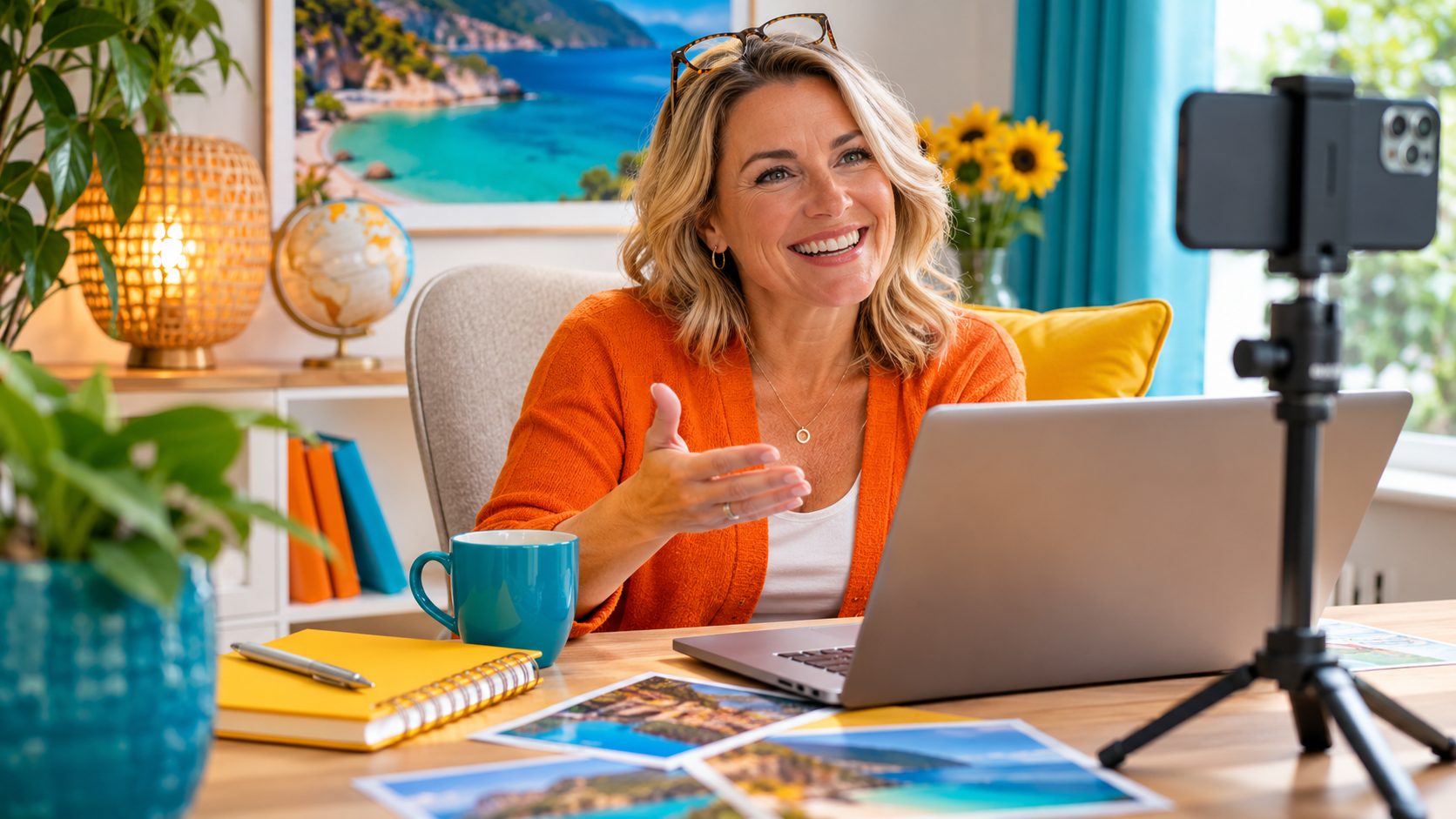
You do not need professional lighting, elaborate editing or a studio background. A modern phone or laptop camera, daylight facing you and a quiet room are normally enough for an effective one-to-one message. Frame your face clearly, speak a little more slowly than usual and check the sound before you send.
Keep it short. Thirty to ninety seconds is a practical starting point, not a rule. A complex route explanation may genuinely need longer; a simple thank-you probably does not. A brief note above the link such as “I have recorded a 45-second explanation of the two hotel options” helps the recipient decide when to watch.
Decide whether camera-only, screen-only or a combination serves the client's question. For an introduction, your face may be the most useful element. For explaining why a multicentre itinerary flows in a particular order, a carefully prepared visual may be clearer. Avoid showing other customers' files, payment details, supplier logins or private contact information.
You can use a secure video-recording or sharing service approved for your business. Before adopting any new platform, check its access controls, retention arrangements, privacy terms and whether it is suitable for customer information. Do not assume that every consumer video or social-media app is appropriate for a professional booking relationship.
Make your video accessible and easy to respond to
Video is an option, not a condition of receiving your service. Some clients are deaf or hard of hearing; others dislike opening unfamiliar links, have limited mobile data or simply prefer written information. Offer captions or a brief accurate transcript where possible, and include the key point and next action in the accompanying email or message.
Avoid autoplay, lengthy introductions and a long series of follow-up videos. Ask whether your client would rather communicate by email, phone or an agreed messaging channel. A warm, personal approach means adapting to the customer instead of making them adapt to your favourite tool.
For example, your accompanying email might say: “I have recorded a short explanation of why I suggested the quieter hotel. In brief, it offers the calmer atmosphere you asked for. The full details and current price are in the attached quotation. Would you like me to compare it with the more central option?” The client can act without pressing play.
Protect client privacy and keep booking information formal
One-to-one video is still business communication. Keep it professional, proportionate and securely stored. If the video or hosting service involves personal data, follow your company's approved procedures and applicable UK data-protection requirements. Tell clients clearly what you are sending and avoid sharing recordings or access links publicly.
- Do not show passports, payment details, other clients' information or confidential supplier screens.
- Keep sensitive passenger details, legal information and payment steps in the approved written and secure booking process.
- Never treat an enthusiastic video reply as a substitute for formal booking authorisation.
- Do not promise that a price, seat, room or promotion is held unless this has genuinely been confirmed through the proper process.
- Distinguish an enquiry-related response from promotional marketing. Check permission and the relevant UK direct-marketing rules before sending unsolicited campaigns or using tracking features.
If a client wants to book, move into your approved quotation, pre-contract information, written authorisation and secure payment process. A friendly video may explain the next steps, but it never replaces the actual documents, conditions or customer protections.
A small routine is better than another daily marketing task
A new travel homeworker does not need to film ten videos every morning. Try two or three thoughtful messages over a few weeks, only where a recording genuinely adds clarity. Note why you sent each one and whether the client responded with a question, requested a change, agreed to talk or booked through the normal process.
Do not judge performance by video views alone. More useful measures include relevant replies, resolved questions, time spent preparing the message and whether clients say they found it helpful. Compare that effort with an equally well-written email or an ordinary call. If video adds no value for a particular client, stop using it for that client.
The aim is not to create a formula that turns every enquiry into a sale. Travel homeworking involves many enquiries that will never become bookings. Good communication helps the right clients make informed decisions while preserving your time and their trust.
Jamie Says:
“A personal video is not a magic sales trick. If the only thing you have to say is ‘have you booked yet?’, you probably do not need to press record. But if you can show somebody that you listened to what they wanted, explain one recommendation clearly and make their decision easier, that is good client service. Keep the formal paperwork formal and let the personal touches be personal.”
For members of the public reading this article
This guide is primarily written for people considering travel homeworking, becoming an independent travel consultant or joining The Independent Travel Consultants. If you are looking for someone to plan your holiday rather than learning to run a travel business, you are very welcome here too. You can find an independent travel agent through our public consultant directory and choose someone whose experience and interests fit your trip.
Frequently asked questions about video follow-up for travel clients
Should I send a video with every travel quotation?
No. Use video when it can clarify an important recommendation or answer a question better than a short written note. Many clients will be happiest with a clear quotation and a normal follow-up email.
How long should a follow-up video be?
For most simple messages, around 30 to 90 seconds is a useful target. Be long enough to say something worthwhile and short enough to respect the client's time. A complicated itinerary may deserve a longer explanation or a live call.
Can I use WhatsApp or social media to send a video?
Only where the channel is appropriate, the client wants to use it and your business permits it. Check the privacy and data-handling implications. Do not use informal messages to collect card details or bypass your booking procedures.
What if I am nervous about being on camera?
Start with one friendly thank-you or a simple explanation for someone who already knows you. You can record a short screen explanation instead, offer a phone call or write a useful email. Being a good travel consultant does not require becoming a video personality.
Will video follow-up guarantee more bookings?
No. It can make some conversations warmer and clearer, but results depend on the relevance of the trip, value, timing, budget and the client's circumstances. Test it against your existing follow-up routine instead of assuming that more video automatically means more sales.
Can a video replace an official quote, booking confirmation or ATOL certificate?
No. A recording is a supporting communication tool. Approved written documents, required disclosures, authorisation and payment processes must still be completed correctly for the booking concerned.
Can a new travel homeworker use this approach?
Yes, once you are authorised to work with clients. You do not need a large client base or specialist equipment, but you do need the right training, approved tools, sound judgement and care with customers' information.
Build a travel business clients want to come back to
Thoughtful follow-up is one of the habits that helps an independent travel agent become someone clients remember and recommend. That may involve a short video, a clear email, a phone conversation or simply giving somebody space until they are ready. The best method is the one that makes the client's next decision easier.
If you are exploring a career in travel, you can learn how to build a travel business from home with The Independent Travel Consultants. We support self-employed consultants with structured training, booking systems, supplier access and guidance on marketing and customer service. There is no joining fee, although a monthly membership fee applies, and success depends on building your own client base and doing the work consistently.
Thinking it might be the right fit? Arrange a friendly discovery call to talk through how the homeworking model works, the responsibilities involved and how you might develop your own style of client service. There are no promises of easy bookings, but there is a practical conversation to be had about getting started.
About Jamie Wake
Jamie Wake is the founder of The Independent Travel Consultants and Jamie Wake Travel, helping people build sustainable travel businesses with practical training, supportive systems and genuine guidance behind them.
Having built his own travel business following redundancy, Jamie understands the uncertainty, determination and learning involved in starting something new. He combines hands-on experience of running a UK travel company with knowledge of travel sales, customer service, marketing, supplier relationships, compliance and day-to-day business operations.
Through The Independent Travel Consultants, Jamie shares practical, honest guidance about becoming a travel homeworker, attracting and supporting customers and building a business that feels personal, professional and sustainable—not simply chasing bookings at any cost.