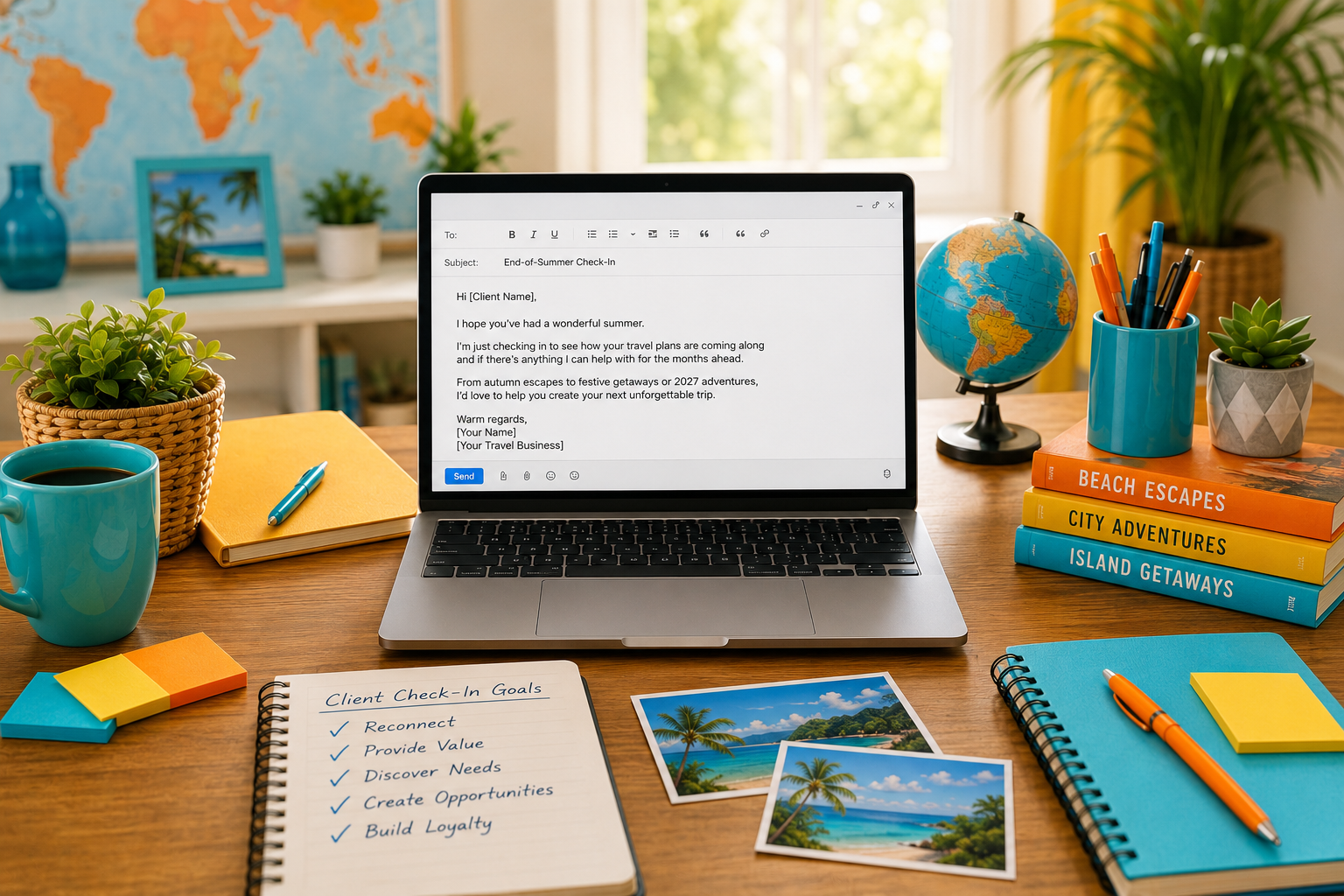
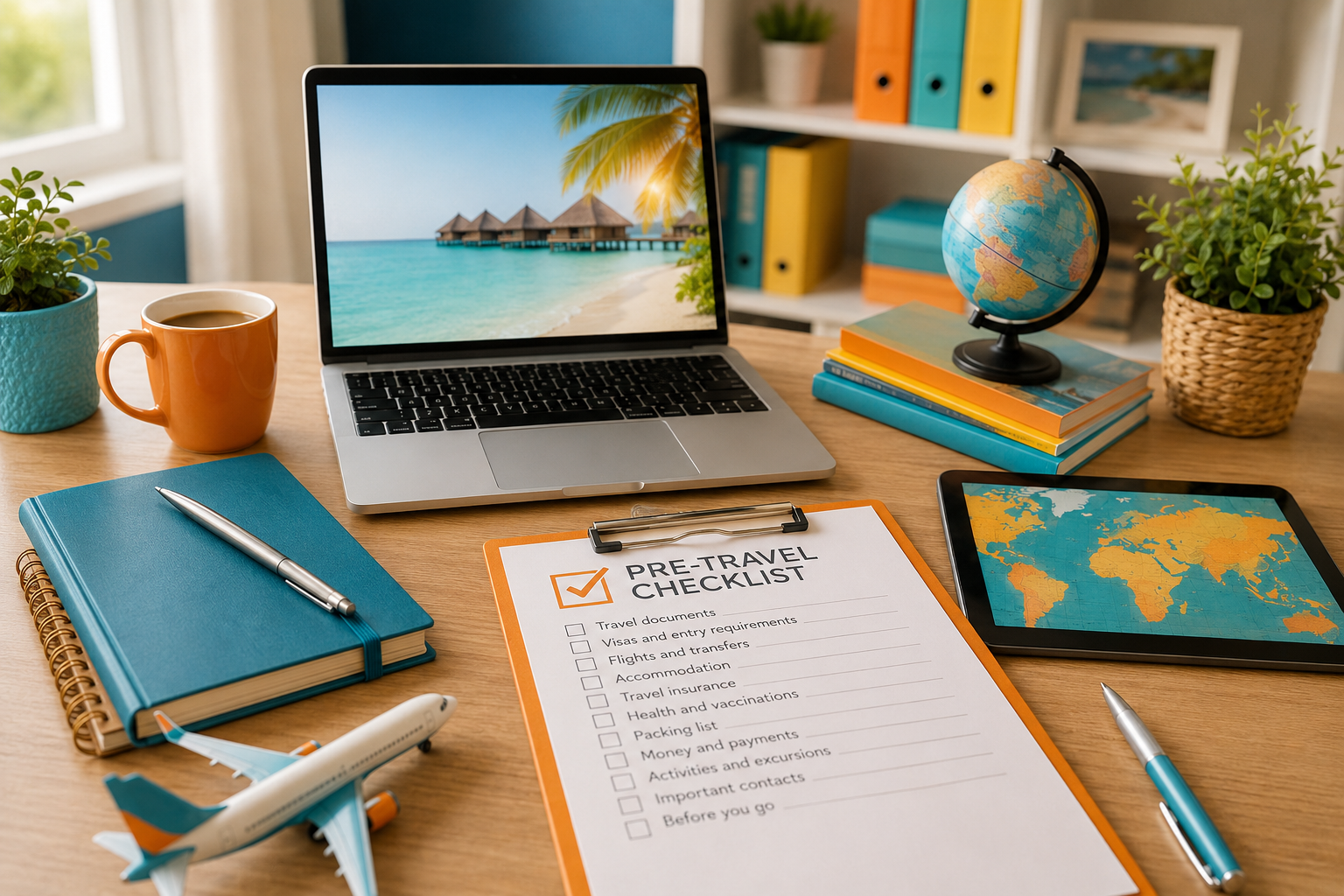
A clear follow up strategy for travel agents is one of the biggest differences between a steady stream of bookings and a list of enquiries that quietly go cold. For travel homeworkers especially, follow-up isn’t about pressure selling - it’s about timing, reassurance, and showing genuine expertise at the right moment.
In this guide, we’ll break down how to build a follow-up system that works in the real world of travel homeworking - whether you’re brand new to the industry or refining your sales process as an experienced independent travel consultant.
Why Follow-Up Matters More in Travel Than Almost Any Other Industry
Travel is rarely an impulse purchase. Clients are juggling budgets, annual leave, family opinions, flight times, and often a bit of fear about “getting it wrong”.
A strong follow-up strategy allows you to:
- Stay present while clients are still deciding
- Demonstrate professionalism and reliability
- Answer objections before they become deal-breakers
- Build trust without chasing
For travel homeworkers, follow-up replaces the high-street window. It is your visibility.
The Biggest Follow-Up Mistake Travel Agents Make
The most common mistake isn’t failing to follow up - it’s only following up once.
Many agents send:
- One quote email
- One “just checking in” message
- Then assume silence means no interest
In reality, most bookings happen after multiple touchpoints, especially for long-haul, luxury, family, or once-a-year trips.
A Simple Follow-Up Timeline That Converts Enquiries
This structure works exceptionally well for both new travel homeworkers and experienced consultants.
Day 0: Immediate Acknowledgement
Clients should never wonder if their enquiry disappeared.
This message should:
- Thank them for the enquiry
- Confirm what you’re working on
- Set expectations for when they’ll hear back
This alone positions you above most online booking sites.
Day 1–2: Quote Delivery with Context
Don’t just send prices.
Your follow-up strategy should include:
- Why you chose these options
- What makes them good for that client
- Any flexibility (dates, boards, room types)
This reframes you as a consultant, not a price sender.
Day 4–5: Value-Based Follow-Up
Instead of “just checking in”, add something useful:
- A better flight option you noticed
- A clarification about transfers or board basis
- A reassurance about ATOL or financial protection
This keeps the conversation moving without pressure.
Day 7–10: Decision Support
This is where many bookings are won.
A strong follow-up here:
- Acknowledges that it’s a big decision
- Reassures them there’s no obligation
- Invites questions or tweaks
Clients often reply simply because they feel supported rather than chased.
Follow-Up Isn’t Chasing - It’s Customer Care
For travel consultants working from home, confidence in follow-up is often the hardest skill to develop.
A helpful mindset shift:
If you’d expect a reply when you request a bespoke service, your client probably does too.
Professional follow-up shows:
- You’re organised
- You care about the outcome
- You’re accountable if something changes
That’s exactly why clients book with independent travel agents instead of going it alone online.
Tools That Make Follow-Up Easier for Travel Homeworkers
You don’t need complex systems to build an effective follow-up strategy.
Most successful travel homeworkers use:
- Calendar reminders for follow-up days
- Simple CRM notes or enquiry trackers
- Email templates they personalise quickly
- WhatsApp (used professionally and sparingly)
Consistency matters far more than software.
What This Means for Clients Researching Travel Consultants
It’s worth acknowledging that many people reading this page may be researching whether to book through an independent travel consultant rather than directly online.
A structured follow-up strategy is one of the reasons clients benefit from working with a professional. Every consultant listed on our public directory is there to help clients feel supported, informed, and never rushed when planning a holiday - making it easier to find an independent travel agent who genuinely fits their needs.
How Follow-Up Supports Long-Term Sales (Not Just One Booking)
A strong follow-up strategy doesn’t just close the current enquiry.
It also:
- Encourages repeat bookings
- Leads to referrals
- Builds trust for future high-value trips
- Creates clients who reply quickly next time
For travel homeworking businesses, this compounds fast.
Jamie Says:
"Good follow-up isn’t about having the perfect script — it’s about showing up consistently and professionally. Some of the best bookings come from clients who went quiet for a week and then replied with “thank you for being patient”. If you care more about helping than chasing, your follow-up will always feel natural."
Turning Follow-Up Into a Competitive Advantage
Most online booking sites can send automated emails. Very few can:
- Remember why a client chose a destination
- Adapt recommendations as budgets change
- Reassure someone who’s nervous about booking
- Take responsibility if something goes wrong
That’s where independent travel consultants win - and where travel homeworkers build sustainable, profitable businesses.
If you’re considering travel homeworking and want to learn how to handle enquiries confidently, follow up professionally, and convert more sales without pressure, we’d love to talk. Our consultants aren’t left to guess - they’re trained, supported, and backed by systems that turn enquiries into long-term client relationships.