Promoting Solo Travel for Autumn and Winter
Promoting Solo Travel for Autumn and Winter
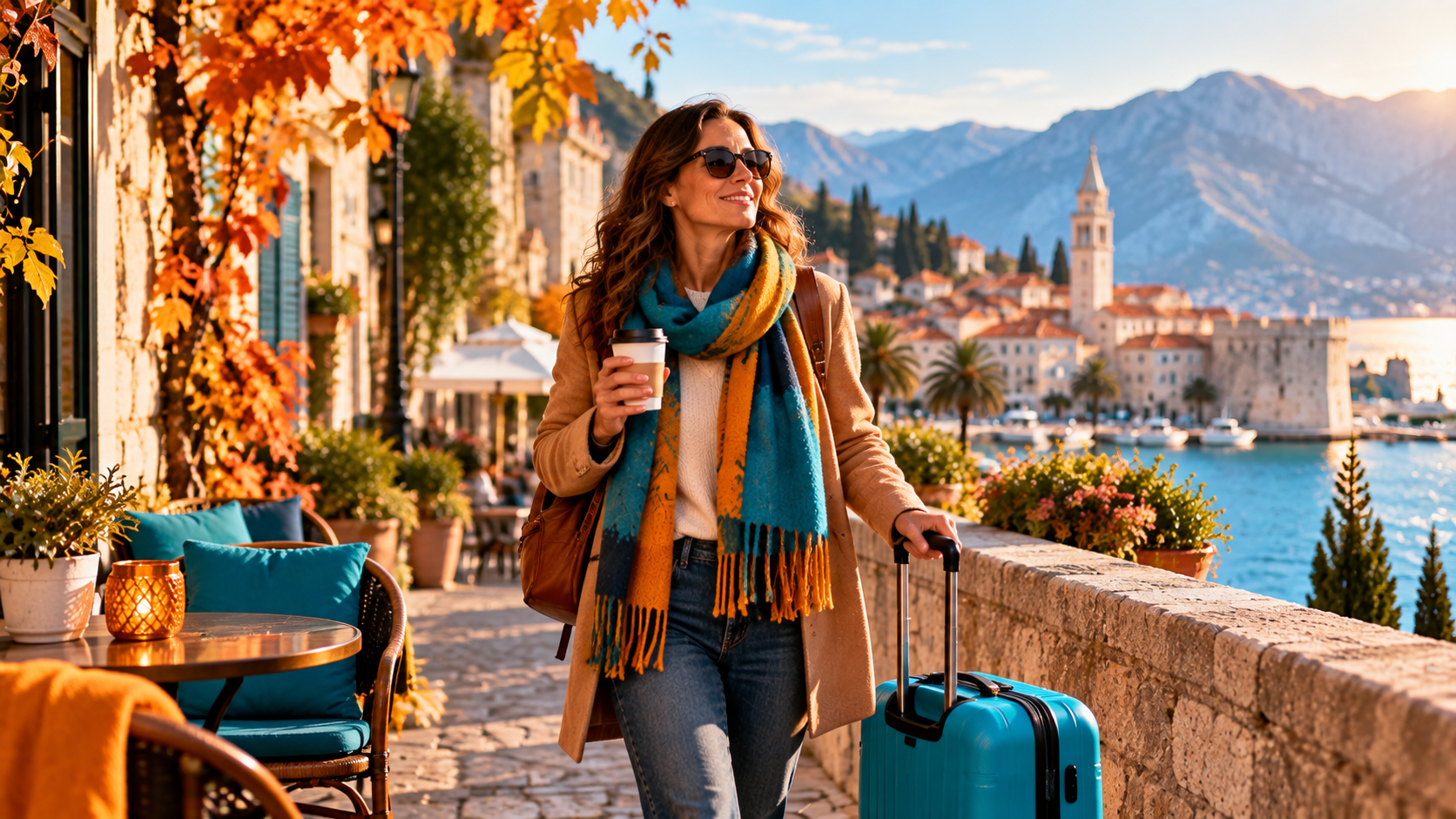
Solo travel is easy to market badly. Too often, the message becomes either "be brave and travel alone" or a list of holidays aimed at people who happen not to have a partner travelling with them.
That misses the point. Many solo travellers are not waiting to be rescued from loneliness. They are choosing freedom, flexibility, personal interests and the ability to travel when it suits them.
A strong solo travel marketing autumn campaign should reflect that. Autumn and winter give travel homeworkers several useful angles - quieter shoulder-season breaks, winter sun, festive city trips, escorted tours, cruises, wellness escapes and trips built around hobbies or interests.
The opportunity is not simply to sell a room for one. It is to understand what travelling solo allows the client to do differently, then recommend a holiday that supports that experience.
If solo travel is a niche you are considering developing further, our guide to travel niches you could specialise in is a useful starting point for thinking about the audience you want to attract.
Stop treating solo travel as a niche for one type of person
The image of the solo traveller has changed.
Your audience could include somebody in their twenties who wants freedom, a parent taking a few days for themselves, a retired traveller whose partner does not share the same travel interests, somebody whose friends cannot get the same annual leave, or an experienced traveller who simply prefers exploring independently.
Some will want complete independence. Others want to travel alone but join a small group once they arrive. Some love meeting people. Others value having nobody else's timetable to consider.
That means marketing should not assume:
- that solo travellers are single;
- that they are lonely;
- that they all want to make friends;
- that they are young backpackers;
- that women travelling alone all want the same type of trip;
- or that every solo traveller needs a fully escorted holiday.
Start with motivation rather than marital status.
Why autumn and winter create a useful solo-travel opportunity
Autumn and winter can suit solo travel particularly well because they create clear reasons to travel now rather than wait for somebody else to become available.
In autumn, shoulder-season travel can mean a different pace from peak summer. Some destinations are more comfortable for sightseeing, popular attractions may feel less intense and clients with flexible dates can sometimes find different pricing or availability from the main school-holiday periods.
Winter creates several completely different propositions:
- winter-sun escapes for somebody who wants warmth and a reset;
- festive city breaks built around markets, food, culture or events;
- escorted tours where a solo traveller can join a group without needing their own companion;
- cruises with solo cabins or organised social opportunities;
- wellness breaks focused on rest rather than company;
- ski or activity trips where the activity itself creates structure;
- and longer-haul adventures for clients who do not want to postpone a dream trip simply because nobody else can go.
Your wider seasonal plan still matters. Our guide to building an autumn travel marketing campaign can help you place solo travel alongside other seasonal themes rather than treating it as a one-off post.
Sell freedom before you sell the destination
One of the strongest benefits of travelling alone is being able to shape the trip around one person's interests.
The client can choose the museum nobody else wants to visit, spend an afternoon reading by the pool, eat when they want, change pace without negotiating with a group or build an entire trip around photography, food, history, wellness or adventure.
That gives a travel consultant much stronger marketing language than "solo holiday deals".
Instead of:
"Fancy travelling alone this autumn?"
Try ideas such as:
- "What would you do with four days away if nobody else's wish list mattered?"
- "The trip you keep postponing does not need to wait for somebody else's annual leave."
- "Winter sun, your book, your timetable."
- "Travel on your own, join the group when you want to."
The purpose is not to pressure somebody into solo travel. It is to show people who are already open to it what the experience can give them.
Our guide to using emotional storytelling in travel sales can help you build that sense of possibility without turning the marketing into exaggerated lifestyle copy.
Find out what 'solo' actually means to this client
A good consultation matters even more when the traveller is going alone because assumptions can quickly lead to the wrong recommendation.
Ask what kind of independence they want.
Do they want to spend the entire trip independently? Would they enjoy a guided walking tour or food experience for a few hours? Would a small-group escorted itinerary feel reassuring or restrictive? Do they want nightlife and opportunities to meet people, or somewhere quiet where they can switch off?
Useful questions include:
- Have you travelled alone before?
- What appeals to you most about this trip?
- How much structure do you want?
- Would you enjoy optional group activities?
- Are evenings out important, or would you prefer a hotel with plenty happening on site?
- Would a central location make you feel more comfortable?
- How do you feel about transfers and arriving after dark?
- Are there particular safety, accessibility or confidence concerns you want me to consider?
- Would you rather pay more for convenience or keep the budget lower and travel more independently?
The answers reveal whether you should be researching a city hotel, an escorted tour, a cruise, an all-inclusive resort, a wellness retreat or something completely different.
Market the right autumn product to the right solo traveller
City breaks for confident independent travellers
A well-located city hotel can work brilliantly for somebody who enjoys museums, restaurants, walking and setting their own pace. Autumn can add food, culture and seasonal atmosphere without making the trip dependent on hot weather.
Location matters more when the client is alone. A hotel that saves £50 but requires a complicated late-night journey from the centre may be poor value for somebody who wants an easy experience.
Think about flight times, airport transfers, reception hours, public transport and whether the client can realistically enjoy the city without spending half the break navigating logistics.
Escorted tours for solo-but-social clients
Travelling solo does not necessarily mean wanting to be alone.
Escorted touring can suit someone who wants the freedom to book without waiting for a companion but still enjoys shared experiences once the trip begins. A small-group itinerary can also remove much of the transport and sightseeing planning.
Do not market it as "you won't be lonely". Sell what is genuinely useful - structure, shared experiences, expert guiding and the ability to join a trip where the logistics are already organised.
Winter sun for the client who wants to switch off
Not every solo holiday needs an itinerary.
Some clients simply want sunshine, a comfortable hotel, a good book and nobody asking what they want to do next.
For these travellers, consider hotel atmosphere, dining arrangements, resort location and whether the property works well for one person rather than assuming an adults-only hotel automatically solves everything.
Festive trips for clients who want a reason to go
Christmas markets, concerts, seasonal food and winter events give a solo city break a natural structure.
Again, check the practical details. Market dates vary, evenings are darker and colder, and the hotel location can have a much bigger impact on how comfortable the trip feels.
Talk about single supplements honestly
Price can be one of the frustrations of solo travel.
A hotel room that could accommodate two people still has many of the same operating costs when used by one, so a solo traveller may see a higher per-person price than two people sharing.
Do not hide that or describe every additional cost as unfair. Instead, compare the actual products available.
Look for:
- dedicated single rooms or solo cabins;
- operators offering reduced or waived single supplements on selected departures;
- touring products designed with solo travellers in mind;
- room categories priced sensibly for single occupancy;
- and departures where the overall inclusions compensate for a higher headline price.
Be careful with "no single supplement" marketing. Check the dates, room types and conditions behind the offer rather than implying that it applies to every departure.
The consultant adds value by comparing the whole proposition instead of pretending every solo trip should cost exactly half of a twin-share booking.
Safety should be practical, not fear-based
Safety matters to solo travellers, but fear is a poor marketing strategy.
Avoid presenting women travelling alone as inherently vulnerable or describing a destination simply as "completely safe". No destination comes with a universal guarantee, and suitability can depend on where the client stays, how they travel and what they plan to do.
Instead, make the planning practical.
Depending on the trip, consider:
- current UK government travel advice;
- arrival time and airport transfers;
- the location of the accommodation;
- reception availability;
- reliable local transport options;
- pre-booking key activities where that gives the traveller confidence;
- how the client will stay connected;
- travel insurance;
- and any destination-specific considerations relevant to that individual traveller.
A first-time solo traveller may value a private transfer on arrival even if an experienced traveller would happily take the train. That is not about deciding one method is safer for everybody. It is about understanding what makes this client comfortable enough to enjoy the trip.
Do not market solo travel as a consolation prize
Language matters.
"No one to travel with?" starts from the idea that something is missing.
"Travel when it suits you" starts from freedom.
"Don't let being single stop you" assumes relationship status is the issue.
"Build the trip around exactly what you want" focuses on the actual benefit.
Use images that reflect independence, experience and enjoyment rather than somebody looking wistfully into the distance because they are alone.
The same applies to email subject lines, social posts and blogs. Market the holiday the client can have, not the companion they do not have.
Create content around solo-travel questions, not only offers
Solo travellers may have practical questions that couples or families never need to ask.
That creates useful marketing content for a travel homeworker.
You could answer questions such as:
- What is a single supplement?
- Which types of escorted tours work well for solo travellers?
- Can you book a cruise cabin for one person?
- What should a first-time solo traveller consider when choosing a hotel?
- Is a private airport transfer worth it when travelling alone?
- How can you meet people on holiday without joining a fully escorted trip?
- What is the difference between a solo holiday and a singles holiday?
That last question is particularly important. Solo travel describes how somebody is travelling. A singles holiday may be designed specifically around people who are single. They are not automatically the same product or audience.
If you want to organise those ideas into a wider seasonal campaign, our 12-month travel content planning guide can help you balance solo travel with your other marketing themes.
Use social media to discover who is interested
You do not need to guess whether your audience would consider solo travel.
Ask them.
Try conversation starters such as:
- "Would you take a weekend city break alone?"
- "Which would tempt you most: a solo winter-sun week or joining a small-group adventure?"
- "What would make you feel confident enough to take your first solo trip?"
- "If nobody else's diary mattered, where would you go this winter?"
The responses give you more than engagement. They reveal concerns, motivations and potential enquiries.
Somebody saying "I would love to, but I wouldn't know where to start" has given you a natural opening to offer useful advice.
Do not assume solo means budget
A solo traveller may be cost-conscious, but they may also be willing to spend more for convenience, comfort, location or the exact experience they want.
They are making one person's decision, which can sometimes make it easier to prioritise the things that matter most to them.
A client might choose:
- a central hotel because walking back easily matters;
- a private transfer because they value a smooth arrival;
- a premium cabin because this is the trip they have always wanted to take;
- or a guided small group because the included experiences are more important than the lowest possible price.
Qualify the budget properly rather than assuming solo travellers need the cheapest product.
Build confidence without overpromising
A first-time solo traveller may need more reassurance before booking than somebody who has travelled alone for years.
That is where a good independent travel consultant can make a real difference.
Explain the journey from airport to hotel. Talk through the accommodation location. Suggest pre-booking the first activity if that gives the client something definite to look forward to. Make sure they understand their documents and know how to contact you if they need help.
But do not promise that they will definitely make friends, that they will never feel nervous or that nothing can go wrong.
Confidence comes from good preparation, not guarantees nobody can make.
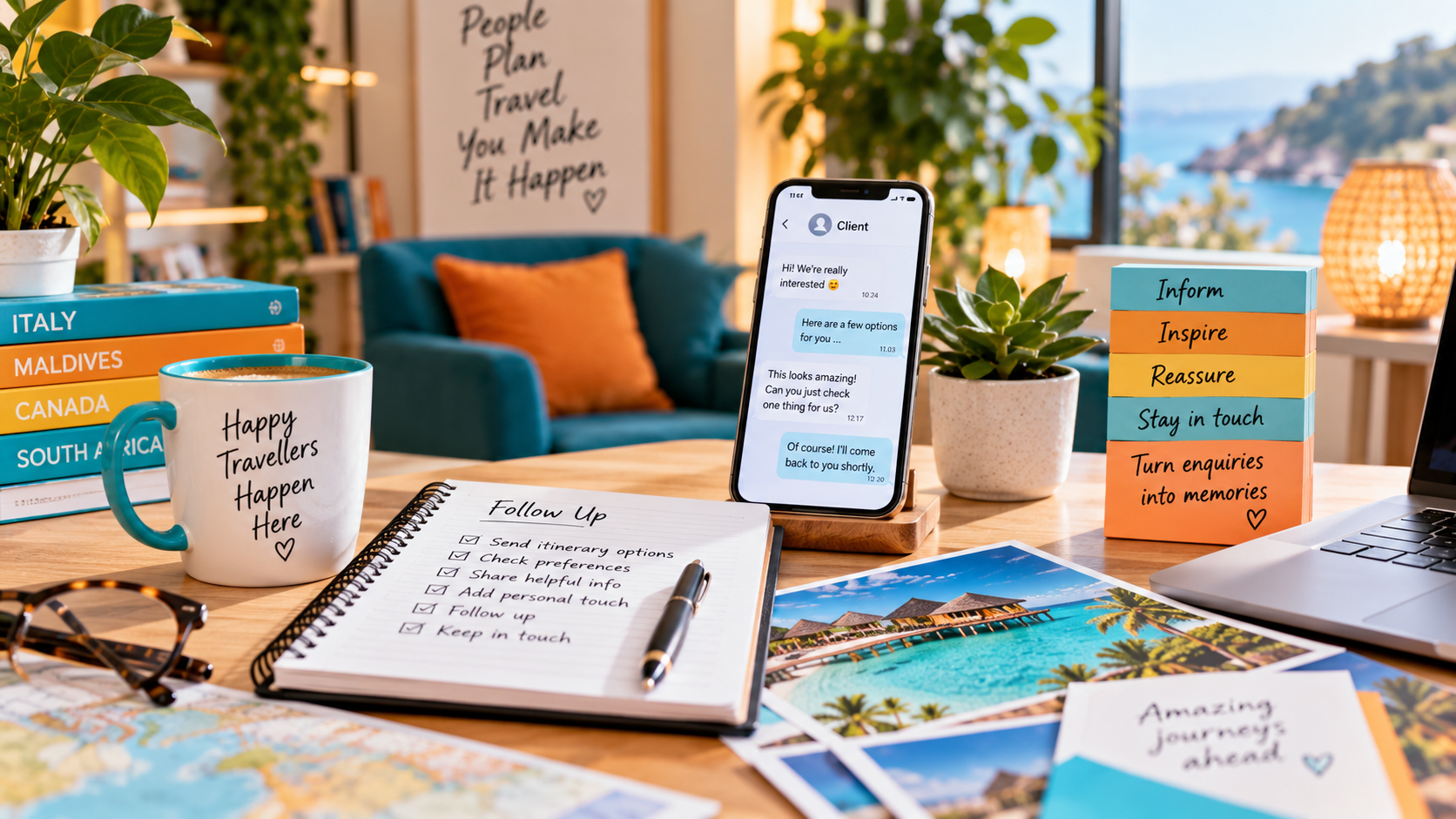
Follow up around the client's original hesitation
If somebody is interested but has not booked, remember what was holding them back.
If the concern was travelling from the airport alone, come back with a transfer option. If it was eating alone, explain the hotel or tour arrangements. If it was cost, compare a solo-focused departure or different date rather than simply reducing the price.
Useful follow-up shows that you listened.
Our guide to nurturing clients between enquiry and booking explains how to keep that conversation moving without turning it into repeated chasing.
Jamie Says:
"Do not market solo travel as the holiday somebody takes because nobody else would go with them. Market the freedom to stop waiting. For the right client, being the only person whose dates, budget and wish list need to agree is the whole appeal."
For members of the public reading this article
This article is mainly written for people considering travel homeworking or developing their skills as independent travel consultants. If you are considering travelling alone this autumn or winter, you are very welcome here too.
A good consultant can help you compare independent trips, escorted tours, cruises, winter sun and other options around the experience you actually want. You can use our public directory to find an independent travel agent whose interests and experience suit your plans.
Frequently asked questions
Is solo travel the same as a singles holiday?
No. Solo travel simply means somebody is travelling without their own companion. They may be single, married, partnered or widowed. A singles holiday is normally a product specifically designed or marketed around people who are single. Do not assume the two audiences want the same thing.
Why is autumn a good time to market solo travel?
Autumn can offer a different pace from peak summer and suits city breaks, touring, wellness, activity trips and shoulder-season travel. Flexible solo travellers may also have more freedom to choose dates outside school-holiday periods.
What winter holidays work well for solo travellers?
It depends on the person. Winter sun, cruises with solo accommodation, escorted touring, festive city breaks, wellness trips, ski holidays and long-haul adventures can all work. Start with how much independence, social contact and structure the client wants.
How should I talk about safety when marketing solo holidays?
Keep it practical and individual. Check current official travel advice and discuss location, transfers, arrival times, transport and any concerns the client has. Avoid blanket claims that a destination is completely safe or fear-based marketing that portrays solo travellers as helpless.
What is a single supplement?
It is an additional cost that can arise when one traveller occupies accommodation priced on the basis of two people sharing. The amount varies considerably. Look for dedicated solo rooms, solo cabins or departures where suppliers reduce or waive the supplement, but always check the actual conditions.
Can solo travel be a useful niche for a travel homeworker?
Yes. Solo travellers have varied needs across city breaks, cruises, touring, wellness, adventure and long-haul travel. The Independent Travel Consultants provides training, supplier access, systems and ongoing support, while consultants can develop their own areas of interest and build their own client base.
Turn solo curiosity into confident travel
Solo travel marketing works best when it stops treating travelling alone as the problem.
Your role is to understand what freedom means to that client, recommend the right level of independence and structure, explain the practical details honestly and help them feel prepared to make the trip their own.
For a travel homeworker, that combination of consultation, research and personal service can turn solo travel from an occasional enquiry into a genuine area of expertise.
If you are considering building your own travel business, you can learn more about the training, supplier access, systems and support available when you become an Independent Travel Consultant.
If you want to understand how the model works before deciding whether it is right for you, get in touch to arrange a discovery call and ask us the questions that matter to you.
About Jamie Wake
Jamie Wake is the founder of The Independent Travel Consultants and Jamie Wake Travel, helping people build sustainable travel businesses with practical training, supportive systems and genuine guidance behind them.
Having built his own travel business following redundancy, Jamie understands the uncertainty, determination and learning involved in starting something new. He combines hands-on experience of running a UK travel company with knowledge of travel sales, customer service, marketing, supplier relationships, compliance and day-to-day business operations.
Through The Independent Travel Consultants, Jamie shares practical, honest guidance about becoming a travel homeworker, attracting and supporting customers and building a business that feels personal, professional and sustainable—not simply chasing bookings at any cost.