How to Pitch European City Breaks in Autumn
How to Pitch European City Breaks in Autumn
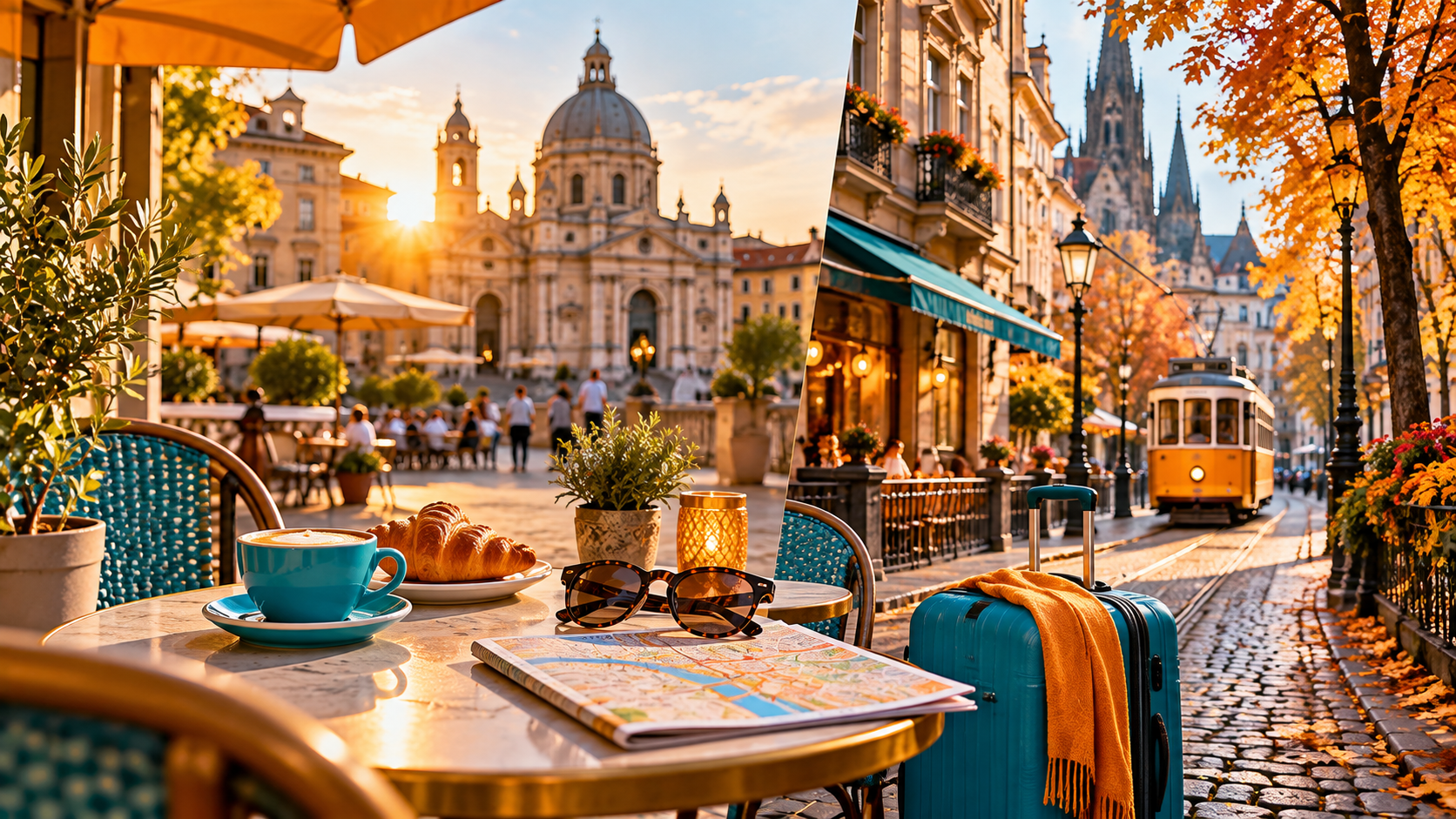
Autumn can be one of the easiest times to sell a European city break badly. Post a photograph of Prague, Rome or Lisbon, add a price and it may look attractive - but it does not tell the client why that city is right for them, why autumn improves the experience or why they should speak to you rather than simply book the cheapest flight they can find.
A stronger approach to european city breaks autumn marketing starts with matching the season to the traveller. Some clients want warmth after summer has disappeared at home. Others want food, culture, museums, autumn colour, Christmas-market atmosphere or simply two or three nights away without using much annual leave.
For a travel homeworker, city breaks are a useful product because they can generate shorter-lead enquiries, repeat bookings and conversations with clients who may not be ready for their next major holiday. They also give an independent travel consultant plenty of opportunities to demonstrate judgement rather than simply search for the cheapest package.
If you are planning your wider seasonal activity, our guide to preparing for the September travel sales period is a useful starting point for deciding which products and client groups deserve your attention.
Do not sell 'Europe' - sell the autumn experience
A city break becomes much easier to pitch when you stop treating Europe as one product.
An October weekend in Seville is not competing for exactly the same client as an October weekend in Vienna. One may appeal because the fierce summer heat has eased and evenings can still feel pleasantly warm. The other may appeal because cafés, museums, grand architecture and a more seasonal atmosphere become part of the experience.
Autumn can improve different cities for different reasons:
- southern cities may become more comfortable for sightseeing once peak summer heat eases;
- central and northern cities can gain atmosphere from parks, cafés and seasonal food;
- busy capitals may feel easier to explore once the main summer crowds reduce;
- shorter breaks can appeal to clients with annual leave still to use;
- food, wine, cultural events and exhibitions can give the trip a stronger reason than simply "a weekend away";
- and by late autumn, some destinations begin transitioning naturally into festive travel.
The sale is therefore not "Would you like a city break?" It is "What kind of few days away would feel right for you now?"
Start with the client, then choose the city
One of the easiest mistakes is choosing a city first because you have found a good price and then trying to find somebody to fit it.
Sometimes that works for marketing inspiration, but the stronger consultancy approach is to understand what the client wants from the break.
Useful questions include:
- Do they want warmth or are they happy to embrace proper autumn weather?
- Is food and drink a major part of the trip?
- Do they want museums and galleries, or mostly to wander outside?
- Would nightlife matter?
- How much walking are they comfortable with?
- Are they happy using public transport?
- Do they want a famous capital or somewhere they have not considered before?
- How many nights do they realistically have?
- Which UK airports are convenient?
- What overall budget feels sensible once baggage, transfers and spending money are considered?
That conversation turns a huge European search into a manageable shortlist.
If you are developing that skill, our guide to mastering the travel consultation explains how to uncover the priorities that should drive the recommendation.
Pitch September, October and November differently
Autumn is not one travel moment. September, October and November can create very different city-break opportunities.
September - extend the summer feeling
September can work particularly well for clients who are not quite ready to let summer go. Southern European cities can still offer warmth, evenings outside and a more relaxed sightseeing experience than during the hottest part of the year.
Lisbon, Seville, Rome and other southern cities can suit couples or friends who want food, sightseeing and outdoor time without making the trip feel like a traditional beach holiday.
The message is not simply "still hot". Explain what the temperature change makes possible - longer walks, lunches outside, rooftop drinks or visiting major sights without planning the entire day around extreme heat.
October - sell atmosphere and balance
October gives you a much broader range of stories. Some southern destinations can remain mild, while cities such as Prague, Vienna, Budapest or Krakow begin to feel distinctly autumnal.
This is often the month to sell contrast. A client may want crisp mornings, cafés, architecture, museums and evenings somewhere warm and atmospheric. Another may still prioritise sunshine and pavement dining.
Rather than telling everyone that October is "perfect for city breaks", show the client which version of October suits them.
November - give the trip a strong reason
By November, shorter daylight and less predictable weather mean the destination needs to work harder.
Look for cities where the experience does not rely entirely on sunshine. Food, museums, spas, concerts, architecture, indoor markets and café culture become more important. Budapest can combine sightseeing with thermal baths. Vienna can appeal to culture and café lovers. Porto may suit food-and-wine clients who are comfortable with the possibility of wetter weather.
Late November can also begin to overlap with festive travel, but check the actual opening dates of Christmas markets and seasonal events rather than assuming they will be running throughout the month.
Match the city to a clear client type
Good city-break marketing becomes much more persuasive when the reader recognises themselves in it.
The warmth seeker
A client who says "I just need a bit of sun" may respond better to Seville, Lisbon, Rome or another southern option than to a city marketed purely for autumn colour. Explain that the attraction is comfortable sightseeing with a better chance of spending time outside, while being honest that autumn weather is never guaranteed.
The foodie
For somebody who plans a break around meals, markets and local wine, the hotel may be less important than location. A central base within easy reach of neighbourhood restaurants can be more valuable than a higher-spec property on the edge of the city.
Talk about how the days might actually feel - market browsing, long lunches, neighbourhood bars, coffee stops and an evening meal somewhere the client has been looking forward to.
The culture-led traveller
Museums, galleries, concerts and historic buildings can make autumn an excellent season for a client who does not need guaranteed sunshine. Vienna, Rome, Amsterdam, Prague and many other cities work well when the itinerary has a strong indoor-outdoor balance.
The value-conscious short-break client
Do not reduce value to the cheapest advertised package. Look at flight times, baggage, airport location and transfer costs. A £40 saving can disappear quickly if the client lands late at an inconvenient airport and spends heavily getting into the centre.
Your value as a travel consultant is often in explaining the whole break rather than presenting the lowest headline price.
Sell the flight times as part of the holiday
On a seven-night holiday, an awkward flight may be tolerable. On a two-night city break, it can consume a significant part of the trip.
Compare options based on usable time in the destination.
A Friday evening departure and Sunday evening return may create a completely different experience from leaving Saturday morning and returning early Sunday afternoon, even if both technically appear as "two nights".
Check:
- departure and arrival times;
- airport-to-city transfer time;
- the cost of getting from the airport into the centre;
- what baggage is included;
- whether public transport will still be running on arrival;
- and whether the final day is genuinely usable.
This is one of the easiest places for a knowledgeable independent travel agent to demonstrate value. You are not simply selling a flight and hotel. You are protecting the client's limited time away.
Be honest about autumn weather
Autumn imagery can easily drift into fantasy - perfect golden leaves, blue skies and cosy terraces every day.
Real travel advice needs more nuance.
Explain the general type of weather a client might expect, but avoid promising conditions that nobody can guarantee. Northern and central European cities may be cooler or wetter. Southern cities can be warmer but still experience rain. November daylight can be noticeably shorter than September daylight.
This does not make the destination harder to sell. It makes the recommendation more trustworthy.
You can also use the weather question to demonstrate why the city still works. A client choosing Vienna for museums, cafés and concerts may be less affected by a wet afternoon than somebody whose entire plan depends on sitting outside.
Build a mini itinerary into the pitch
Clients often respond better when they can picture the trip rather than simply read a hotel description.
You do not need to create a minute-by-minute itinerary for every enquiry. Give them enough to imagine the rhythm of the break.
For example:
"You could arrive Friday evening, check into a central hotel and go straight out for dinner. Saturday gives you a full day for the historic centre and food market, then Sunday morning you still have time for the riverside before an evening flight home."
That is much more persuasive than "three nights, room only, central hotel".
Our guide to using emotional storytelling in travel sales explains how to help clients picture an experience while keeping the recommendation factual and professional.
Use city breaks to reconnect with existing clients
Not every autumn city-break enquiry has to come from a new lead.
Look at clients who have previously booked short breaks, couples' trips, milestone weekends or cultural travel. Someone who enjoyed Rome may be open to Bologna or Vienna. A client who loved Lisbon may be interested in Porto. Somebody who regularly books one major holiday could still welcome a smaller autumn escape if the timing and budget feel manageable.
The key is personal relevance. Do not send every previous client the same "Top 10 European Cities" message.
Our guide to re-engaging past travel clients shows how to restart conversations using information the client has previously shared with you.
Create marketing that starts conversations, not just likes
European city breaks are naturally visual, which makes them easy social-media content. The challenge is turning attention into an enquiry.
Instead of posting a generic photograph and price, try a decision the audience can participate in:
- "Three autumn nights - warm evenings in Seville or crisp cafés in Vienna?"
- "You have Friday to Monday free in October - where are you going?"
- "Food first: Bologna, Porto or Krakow?"
- "Would you rather have sunshine or proper autumn atmosphere?"
These posts reveal preferences. The responses can then lead naturally into recommendations and individual conversations.
The same principle appears in our guide to creating travel posts that start conversations rather than filling a social feed with generic offers.
Do not forget the practical details
A short trip can feel simple, but the practical details still matter.
Check the entry requirements applicable to the traveller, airport and transfer arrangements, local taxes or charges where relevant, baggage allowances, hotel location, accessibility requirements and any important supplier terms.
Also think about the shape of the trip. A beautiful hotel outside the centre may work perfectly for somebody who enjoys public transport. It may frustrate a client who expected to walk everywhere. A very early return flight may technically save money but undermine the whole point of a relaxing weekend.
Travel homeworkers do not need to know every European city from memory. They do need a process for researching accurately, checking current information and making recommendations that fit the individual client.
Follow up around the experience they wanted
If the client does not book immediately, return to the reason they were interested in the first place.
Instead of "Have you made a decision?", try something more useful:
"You mentioned that food and being able to walk everywhere were the two priorities. Of the options we looked at, Porto still feels the strongest fit to me. Is there anything about that option you are unsure about?"
This keeps the conversation centred on the client's needs rather than your desire to close the booking.
Our guide to nurturing clients between enquiry and booking looks at how to maintain that momentum without turning follow-up into pressure.
Jamie Says:
"A city break is not small just because it is short. If somebody only has three days away, every poor flight time, awkward transfer and badly located hotel matters more. Sell them the time they will actually enjoy, not simply two flights and a room."
For members of the public reading this article
This article is mainly written for people considering travel homeworking or improving their skills as independent travel consultants. If you are searching for a European city break yourself, the same advice can help you think beyond headline prices and choose a trip that fits how you actually want to spend your time.
You can use our public directory to find an independent travel agent who can help you compare destinations, flights, hotels and the practical details of your break.
Frequently asked questions
What are the best European city breaks in autumn?
There is no single best city. Southern destinations such as Seville, Lisbon and Rome can appeal to travellers wanting milder weather, while cities such as Vienna, Prague, Budapest and Krakow may suit clients looking for culture, cafés and a stronger autumn atmosphere. Match the city to the traveller rather than relying on a generic ranking.
Is September or October better for a European city break?
September can suit clients who want to extend the summer feeling, particularly in southern Europe. October offers a broader mix of mild southern destinations and more atmospheric central European breaks. The better month depends on the experience the client wants.
Are European city breaks cheaper in autumn?
They can offer better value than peak periods, but prices vary according to destination, flights, events, school holidays and demand. Avoid promising that autumn is always cheaper. Compare the complete cost and quality of the trip rather than just the headline package price.
How many nights are best for a city break?
Two to four nights can work well for many European cities, but flight times and transfer distances matter as much as the number of nights. A well-timed two-night break can provide more usable time than a poorly timed three-night itinerary.
How should a travel agent sell a city break without sounding generic?
Start with the client's priorities. Explain why the destination, hotel location, flight times and season fit what they told you. A recommendation built around food, warmth, culture, nightlife or easy walking will feel more useful than a list of famous cities.
Do travel homeworkers need to know every European city?
No. The Independent Travel Consultants provides training, systems, supplier access and ongoing support, while consultants build their own client base and develop their product knowledge over time. A good consultant needs strong research habits and the confidence to match reliable information to the client's needs.
Turn a short break into a strong travel recommendation
European city breaks in autumn give travel homeworkers an opportunity to sell something timely, flexible and highly personal. The strongest pitches are rarely the ones with the longest destination list. They are the ones that make the client think, "That sounds exactly like the few days away I need."
Learning to make those recommendations is part of building a sustainable travel business - understanding the client, researching accurately, presenting value clearly and turning product knowledge into personal service.
If you are considering building your own travel business, you can learn more about the training, supplier access, systems and support available when you become an Independent Travel Consultant.
If you would like to understand how the model works before deciding whether it is right for you, get in touch to arrange a discovery call and ask the questions that matter to you.
About Jamie Wake
Jamie Wake is the founder of The Independent Travel Consultants and Jamie Wake Travel, helping people build sustainable travel businesses with practical training, supportive systems and genuine guidance behind them.
Having built his own travel business following redundancy, Jamie understands the uncertainty, determination and learning involved in starting something new. He combines hands-on experience of running a UK travel company with knowledge of travel sales, customer service, marketing, supplier relationships, compliance and day-to-day business operations.
Through The Independent Travel Consultants, Jamie shares practical, honest guidance about becoming a travel homeworker, attracting and supporting customers and building a business that feels personal, professional and sustainable—not simply chasing bookings at any cost.