The Power of Personalised Travel Videos for Clients
The Power of Personalised Travel Videos for Clients
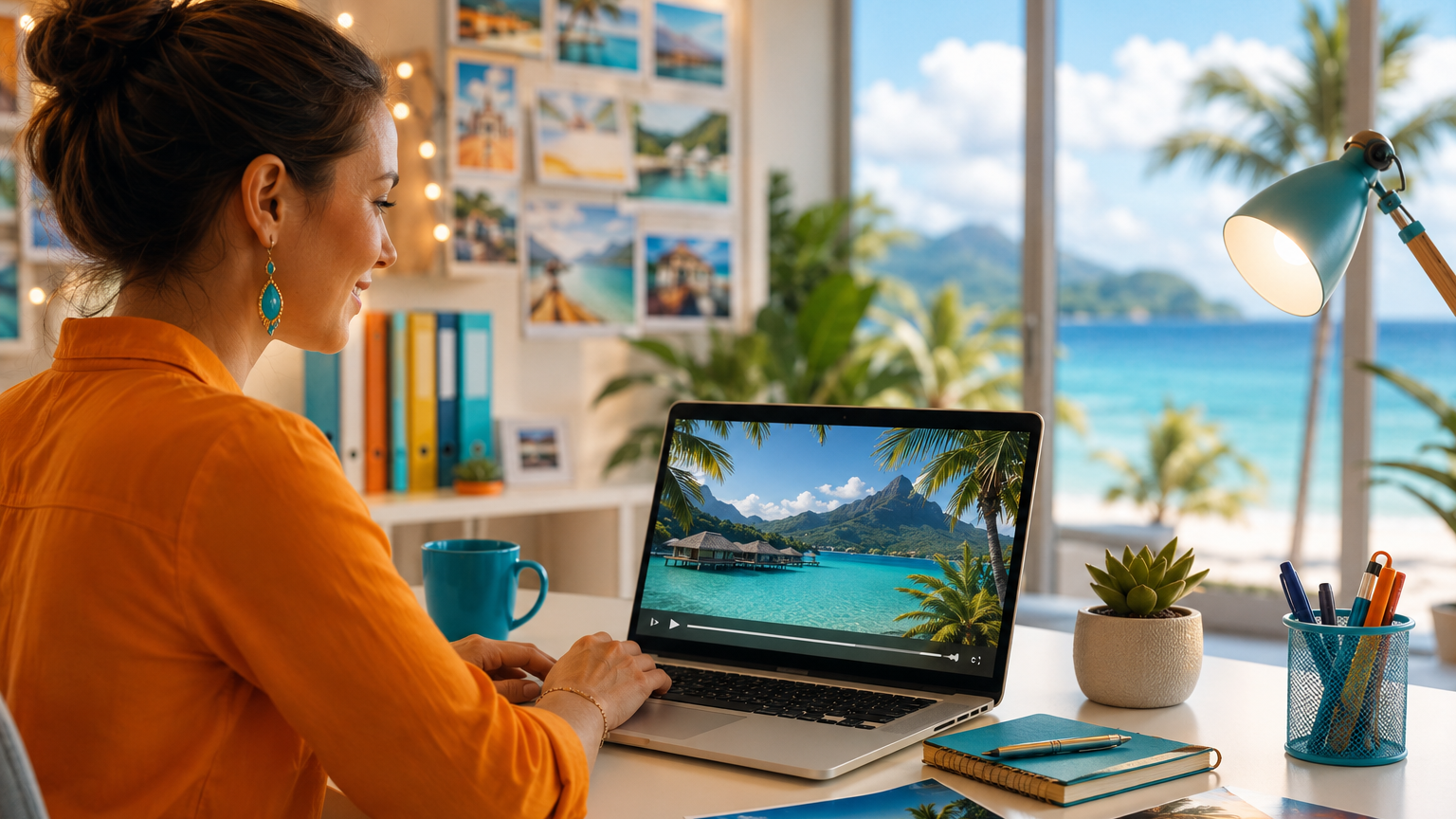
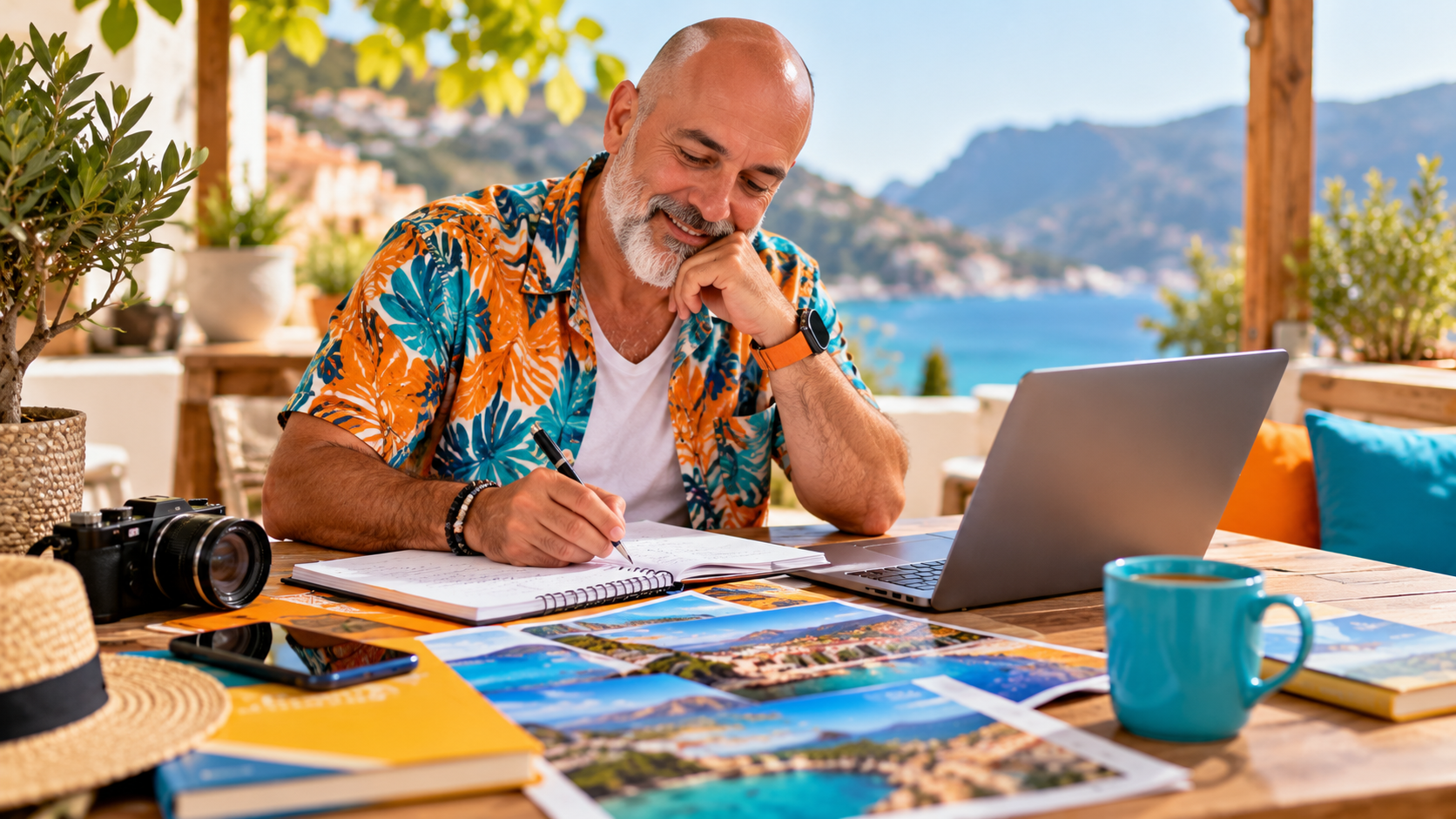
A carefully prepared travel quote can contain everything a client asked for and still feel difficult to absorb. Flights, room types, transfers, meal plans, excursions and payment details can quickly become a wall of information. A short personalised travel video gives you the chance to guide the client through the recommendation in your own voice, explain why particular choices were made and make the next step feel clear.
For a travel homeworker, this is not about becoming a presenter or producing glossy destination films. It is about adding a human layer to the work you have already completed. Used well, video can make a proposal easier to understand, reduce repetitive questions, demonstrate your expertise and help a prospective client feel that their holiday has been planned for them rather than copied from a template.
If recording yourself feels unfamiliar, begin with our practical introduction to video marketing for travel homeworkers. The aim is not perfection. It is clear, accurate and personal communication.
What Is a Personalised Travel Video?
A personalised travel video is a short recording created for one client, couple, family or travelling group. It may show your face, your screen, selected destination images or a combination of these. What makes it personal is not simply saying the client's name. The content should reflect what they told you, the decisions you made and the details they need to consider.
For example, a generic resort video might show the beach, pools and restaurants. A useful personalised version would explain that you selected the quieter accommodation block because the client mentioned travelling with a light sleeper, that the children's club accepts the ages in their party and that the private transfer avoids a long shared coach journey after an evening flight.
The difference is interpretation. Supplier images and brochures provide information, but your video connects that information to the client's priorities. That is where an independent travel consultant adds value.
Why Personalised Video Can Strengthen the Client Experience
Travel clients do not always reject a quote because the holiday is wrong. Sometimes they are overwhelmed by the amount of information, unsure which details matter or unable to see why one option costs more than another. A narrated walkthrough helps you organise the proposal into a story rather than leaving the client to interpret every line alone.
It can also bring warmth to an online relationship. Many travel homeworking businesses are built through email, social media and telephone conversations. Hearing your voice and seeing your enthusiasm can make the service feel more personal without requiring another diary appointment.
- It shows that you listened. Referencing the client's priorities demonstrates that the recommendation was shaped around the consultation.
- It makes comparison easier. You can explain the genuine trade-offs between room types, departure airports or board arrangements.
- It gives context to price. Rather than apologising for the total, you can show what is included and why certain elements protect comfort, convenience or peace of mind.
- It creates a clear next step. The client finishes the video knowing what decision or information you need from them.
- It supports different communication preferences. Some people understand a spoken explanation more easily than a long email, particularly when captions and a written summary are also provided.
This works especially well when it follows a strong discovery conversation. Our guide to improving your travel consultation calls explains how better questions lead to more relevant recommendations. The video then becomes the evidence that you listened carefully.
Where Video Fits into the Client Journey
A personalised travel video can be useful at several stages, but it should solve a communication need rather than become another task you perform automatically for every booking.
After the Initial Enquiry
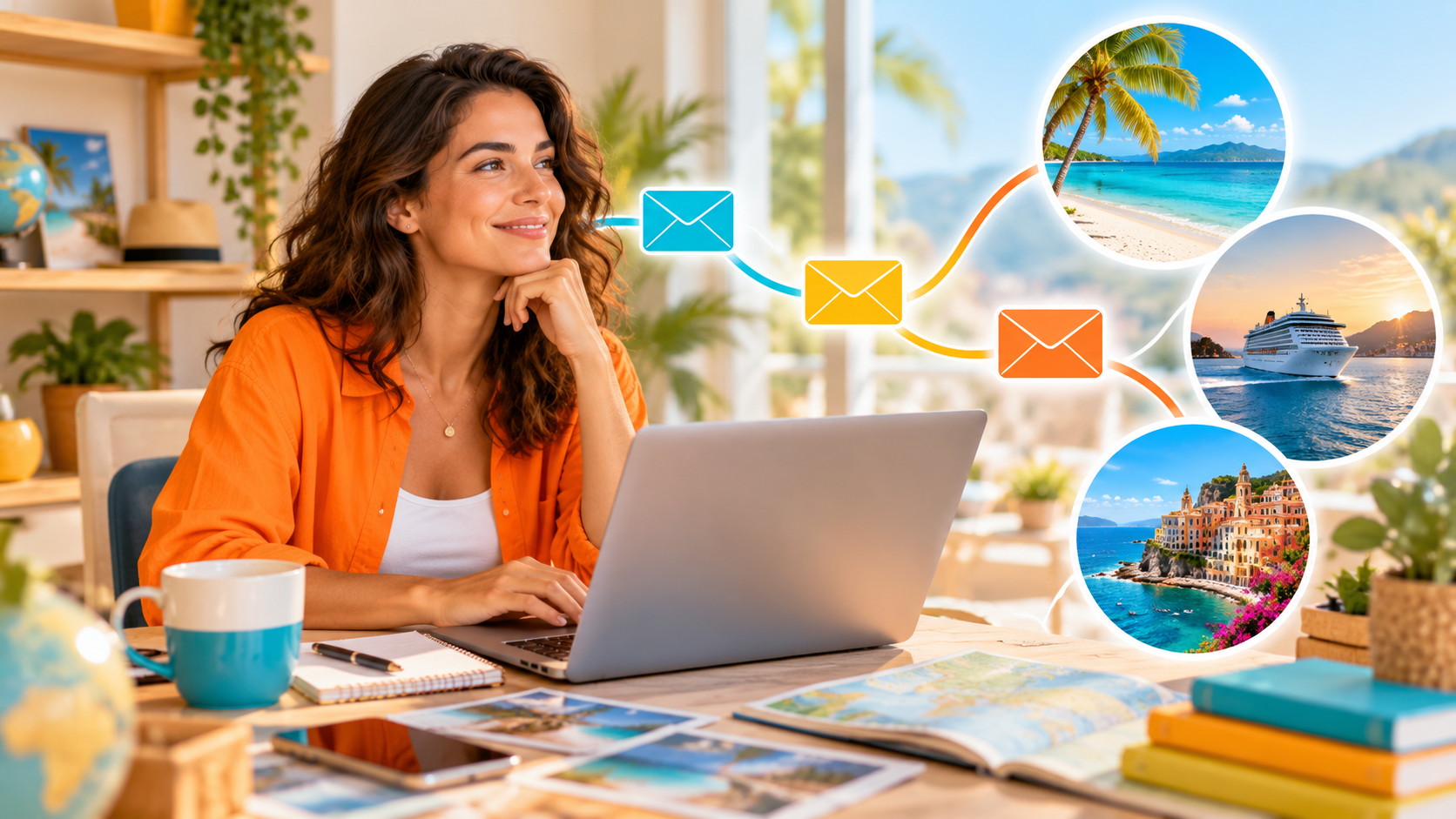
A brief welcome video can introduce you, confirm your understanding of the request and explain what happens next. This can be particularly reassuring for a client who found you through social media and has not worked with an independent travel agent before. Keep it short and do not repeat questions already answered in writing.
When Presenting a Quote or Proposal
This is often the most valuable moment. Send the written quote because the client needs accurate information they can revisit, then add a three-to-five-minute walkthrough that highlights the reasoning behind it. A polished document still matters, so use video alongside good practice for designing a professional travel quote, not instead of it.
Before Departure
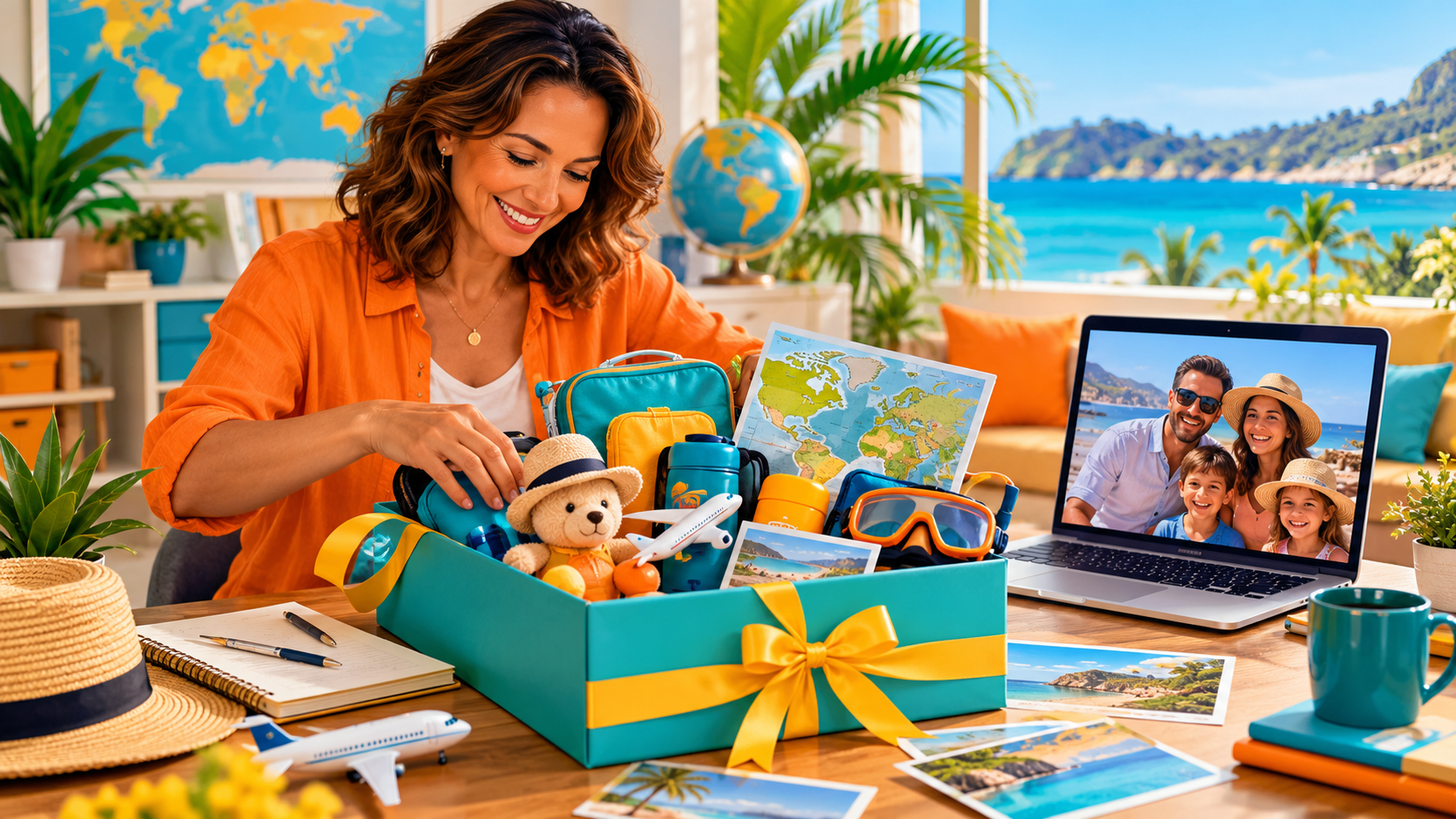
A short pre-travel message can remind the client where to find their documents, highlight the most important timings and build excitement. It should not replace formal documentation or introduce unverified information. Direct the client back to the correct written documents whenever exact times, entry requirements or supplier conditions matter.
After the Client Returns
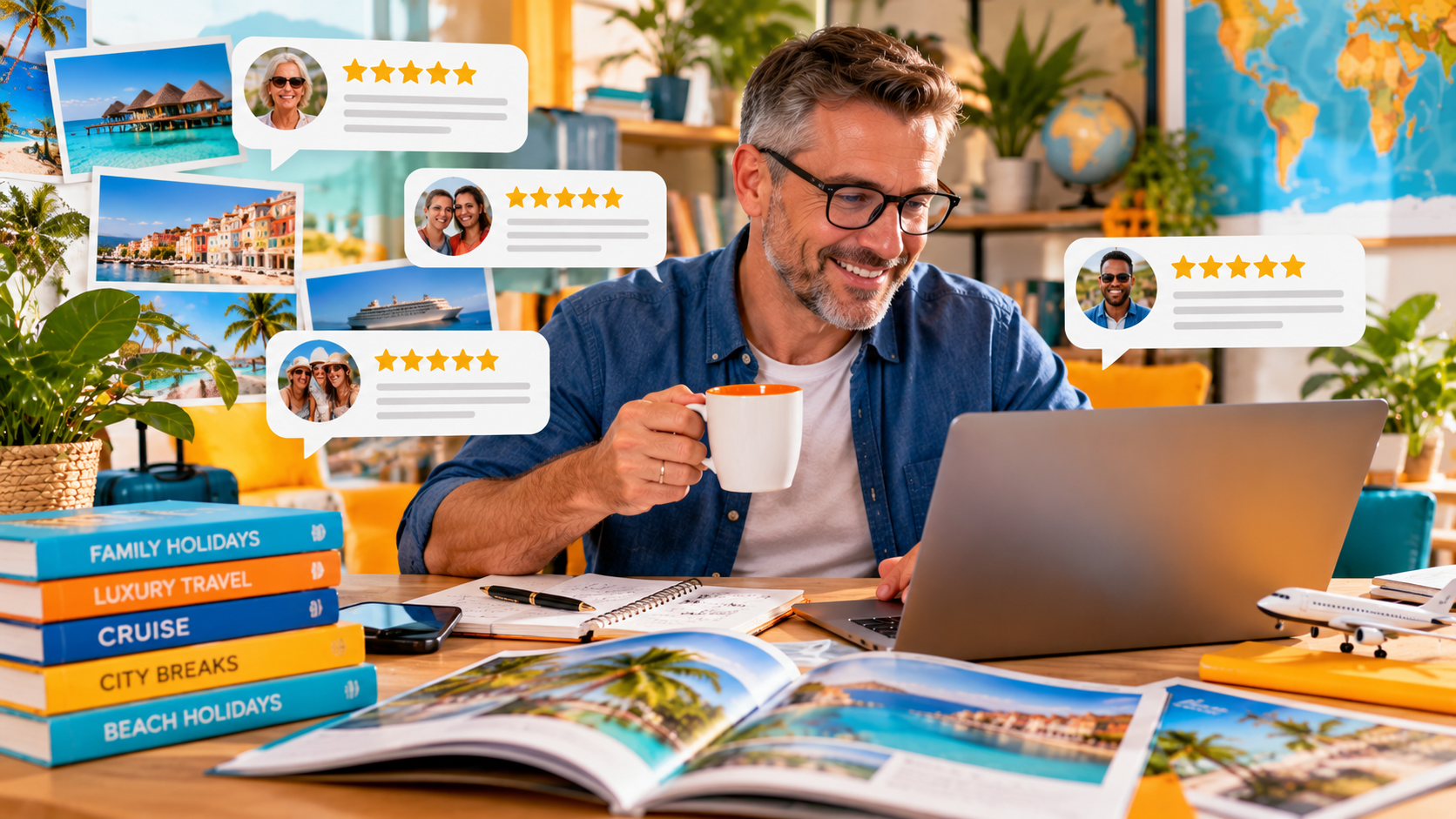
A warm thank-you video can feel more thoughtful than an automated message. Ask how the trip went, invite honest feedback and explain how reviews or referrals help your business. Make the message personal by mentioning the experience they were most looking forward to, but avoid creating pressure for a positive review.
A Five-Minute Quote Walkthrough Clients Can Follow
The strongest personalised travel video does not read the quote word for word. It directs attention, explains choices and moves the conversation forward. The following structure is simple enough to repeat while leaving room for your own style.
- Open with the client's priorities. Confirm the destination, dates and the two or three things that mattered most. This immediately shows that the video is genuinely for them.
- Tell the story of the trip. Briefly walk through the journey in a logical order, focusing on how it will feel rather than listing every component.
- Explain your recommendations. Highlight why you selected the hotel, cabin, route, transfer or experience. Connect each decision to something the client told you.
- Compare the important options. If there are alternatives, explain the practical trade-off. One room may offer a sea view while another provides more space. One flight may cost less but create a difficult connection.
- Clarify what is included. Mention the details most likely to influence the decision, while reminding the client to read the full written quote and applicable terms.
- Finish with one clear action. Ask for the specific choice, missing detail or approval needed to continue. Avoid ending with a vague invitation to “let me know what you think”.
Here is a natural example:
“Hi Sam and Priya. I have built this around the relaxed beachfront stay you asked for, with plenty to do nearby but no need to hire a car. I chose this hotel because the family rooms give you a separate sleeping area and the transfer is under 30 minutes. You will see two board options in the quote. Half board keeps the total lower and gives you freedom to try local restaurants, while all inclusive gives you more certainty over spending. Have a look at those two options and reply with the one that feels right, then I can complete the final availability check.”
The language is simple, but it explains the consultant's thinking. That is an example of storytelling in travel sales being used to make a real decision easier.
Build a Repeatable Workflow Without Sounding Rehearsed
Personalisation becomes difficult to sustain when every recording starts from a blank page. Create a light framework that saves time but never turns the message into a generic script.
Keep a short checklist beside you:
- Client names and correct pronunciation
- Main priorities from the consultation
- The recommendation you most want to explain
- Any meaningful options or compromises
- What the client needs to do next
- Details that must remain in the written quote rather than on screen
Record in one or two takes where possible. Small pauses and natural wording make you sound human. Re-record when you have misstated a price, date, room type or other material detail, but do not spend 30 minutes trying to remove every hesitation from a four-minute video.
You can also store reusable opening prompts, recording checklists and follow-up wording in a travel marketing content bank. The structure can be reused, but the reasons and examples must come from the individual client's enquiry.
Make the Personalisation Meaningful
Using a client's name is a welcome start, but meaningful personalisation comes from demonstrating judgement. Mention the detail that changed your recommendation.
A honeymoon client may have said they want privacy rather than nightlife. A multi-generational family might need short walking distances, flexible dining and rooms close together. A first-time cruiser may be worried about seasickness and unsure what is included. A client with limited annual leave may value sensible flight times more than the lowest headline price.
Your video should show how those details influenced the trip you built. It should never expose personal information unnecessarily. Refer to needs respectfully and only to the extent required to explain the recommendation.
Try phrases such as:
- “I chose this because you mentioned...”
- “The main difference between these options is...”
- “I have avoided that route because...”
- “This gives you the flexibility you wanted...”
- “Before I move forward, I need you to decide...”
These phrases keep the focus on the client rather than on the technology used to record the video.
Recording Essentials: Clear Beats Complicated
You do not need a studio. A modern smartphone or computer, a quiet room, a stable internet connection and decent lighting are enough. Sound quality matters more than an elaborate background, so close windows, silence notifications and use headphones or a simple microphone if your room echoes.
If you are showing your screen, tidy it first. Close unrelated tabs and messages. Display only the section of the quote that supports what you are saying. Never show card details, passport information, private client notes, supplier logins or another client's data.
Add captions wherever the recording platform allows and provide a concise written summary with the link. Captions help clients who are deaf or hard of hearing, people watching without sound and anyone who wants to confirm a name or detail. Avoid relying on auto-captions without reviewing important destination, hotel and supplier names.
Keep the file or link easy to open on a mobile phone. Test it yourself before sending and make sure the client does not need to create an unnecessary account simply to view their message.
Accuracy, Privacy and Permission Matter
A friendly video is still a business communication. Check every price, date, inclusion and description against the written quote before recording. Make clear that prices and availability remain subject to the terms stated in the quote, and never use a video to bypass the formal booking or authorisation process.
Show only the minimum client information needed for the purpose of the recording. Use an approved private delivery method, restrict access where possible and remove recordings when they are no longer required under your business's data-retention approach. If a video includes a client's image, voice, testimonial or holiday footage and you want to reuse it publicly, obtain clear, specific permission for that separate purpose. A private quote walkthrough is not permission to use client content in marketing.
Supplier images and videos also have owners. Use official assets only in ways permitted by the supplier or destination organisation. Do not download clips from another creator, remove their branding or present footage as your own.
If you send the recording through a messaging channel, keep the same professional boundaries you would use for email. Our guide to using WhatsApp to stay connected with clients explains how convenience should sit alongside clear working practices.
Common Mistakes That Weaken a Client Video
- Making it too long. A concise video is more likely to be watched and understood. Cover the decision-making points, not every line of the quote.
- Reading the document aloud. The client can already read it. Add interpretation, reassurance and direction.
- Focusing on yourself. A long introduction about your experience delays the information the client needs.
- Offering too many choices. Video should reduce confusion, not introduce five new alternatives without a recommendation.
- Sounding apologetic about price. Explain the value and trade-offs honestly. Do not undermine your own recommendation before the client responds.
- Forgetting the next step. Every recording should finish with a simple, specific action.
- Sending video without written details. Important prices, terms and booking information must remain available in an accurate written format.
- Using personal data carelessly. Check the screen, link settings, filename and recipients before sending.
Follow Up Without Chasing
A personalised travel video creates momentum, but it still needs a professional follow-up. Tell the client when you will check back and what may change while they are considering the proposal. If the platform shows that the recording has been viewed, use that as a timing clue, not as a reason to pressure them.
Your follow-up might say: “I hope the walkthrough made the two room options clearer. The key decision is whether you prefer the extra space or the sea view. I will check in tomorrow afternoon, but please message sooner if you would like me to recheck availability.”
That is more useful than repeatedly asking whether they have made a decision. A structured follow-up strategy that turns enquiries into sales keeps the process helpful and consistent.
Measure Whether the Extra Effort Is Working
Do not judge success only by video views. The purpose is to improve understanding, trust and conversion. Review a small number of practical measures over several weeks:
- How often clients watch the recording
- Whether questions become clearer and more specific
- Time between sending the proposal and receiving a decision
- Quote-to-booking conversion for proposals with and without video
- Common points where clients pause or ask for clarification
- Feedback about the proposal experience
- Repeat bookings and referrals from clients who received the service
Start with higher-value, complex or especially personal enquiries where explanation is most likely to help. Once you know the process works, decide which client situations justify the time. A travel homeworker does not need to make a video for every simple booking to benefit from this approach.
A Note for Members of the Public
This article is mainly written for people considering travel homeworking or developing their skills with The Independent Travel Consultants. Members of the public are also welcome to use our website when they want personal help planning a holiday. You can use our directory to find an independent travel consultant whose experience and approach suit your trip.
Jamie Says:
“A personalised travel video should not be a five-minute sales pitch. It should prove that you listened. Explain the two or three decisions that make this holiday right for the client, be honest about any compromise and finish with a clear next step. The client should come away feeling understood, not pressured.”
Frequently Asked Questions
How long should a personalised travel video be?
For a quote walkthrough, around three to five minutes is usually enough. A simple welcome or pre-departure message may need only 60 to 90 seconds. Use the shortest length that explains the recommendation clearly.
Do I need to appear on camera?
No. You can record your screen and use your voice, although a brief on-camera welcome can help the client connect with you. Choose the format that feels natural and keeps the proposal easy to follow.
Should the video replace my written quote?
No. The written quote remains essential for accurate prices, inclusions, conditions and information the client may need to revisit. The video explains and guides - it does not replace formal documentation.
Can I use supplier destination footage?
Use official supplier or destination assets only when their terms allow it. Keep any branding and attribution required by the owner. Do not copy videos from creators or competitors without permission.
What should I do if I make a mistake in the recording?
Re-record when the mistake affects a price, date, inclusion, product description or other important detail. For a harmless hesitation, continue naturally. Accuracy matters more than a perfectly polished delivery.
Is personalised video suitable for every client?
No. Some clients prefer email or a live call, and some simple enquiries do not justify a recording. Ask what communication style suits the client and use video where it genuinely makes the decision easier.
What equipment does a new travel homeworker need?
A phone or computer, clear sound, good natural light and a secure recording platform are enough to begin. Captions, a tidy screen and a useful structure will improve the experience more than expensive equipment.
Build a Travel Business Clients Remember
Personalised video is powerful because it brings together the qualities that make independent travel advice valuable: listening, judgement, clarity and human connection. It can help a client understand not only what you have recommended, but why it fits them.
The Independent Travel Consultants supports homeworkers with structured training, marketing guidance, booking systems, supplier access, compliance processes and ongoing support. There are no joining fees, the monthly service fee is £50 and consultants keep 80% of profit after applicable booking costs. You build your own client base and identity while working with the backing of an established travel business.
Explore what it means to join our supportive travel homeworking network, then book a discovery call for an honest conversation about your goals, experience and whether The Independent Travel Consultants is the right fit for you.
About Jamie Wake
Jamie Wake is the founder of The Independent Travel Consultants and Jamie Wake Travel, helping people build sustainable travel businesses with practical training, supportive systems and genuine guidance behind them.
Having built his own travel business following redundancy, Jamie understands the uncertainty, determination and learning involved in starting something new. He combines hands-on experience of running a UK travel company with knowledge of travel sales, customer service, marketing, supplier relationships, compliance and day-to-day business operations.
Through The Independent Travel Consultants, Jamie shares practical, honest guidance about becoming a travel homeworker, attracting and supporting customers and building a business that feels personal, professional and sustainable—not simply chasing bookings at any cost.