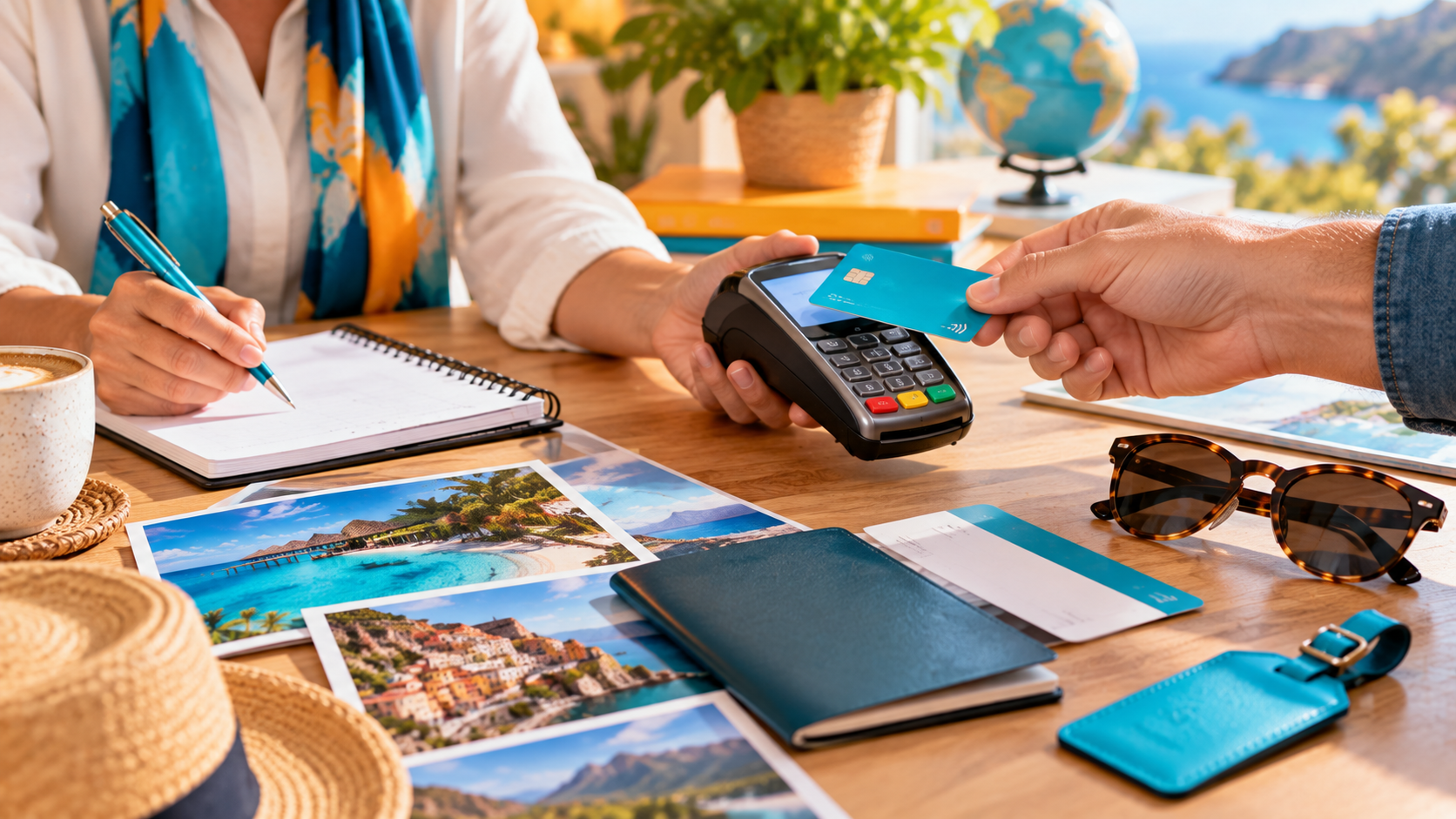
Creating a Content Bank to Save Time Year-Round
Creating a Content Bank to Save Time Year-Round

Marketing your travel business should not feel like starting from zero every time you open your laptop. For many travel homeworkers, the challenge is not a lack of ideas - it is remembering, organising and reusing those ideas at the right moment.
That is where a content bank travel marketing system becomes so useful. Instead of trying to think of a new post, email, Reel or client message from scratch, you create a practical store of ideas, captions, client questions, destination notes, seasonal reminders and reusable prompts that you can return to all year.
This guide is written for people building a travel business from home, whether you are already a travel homeworker, exploring becoming a home-based travel agent, or looking for a more organised way to market yourself as an independent travel consultant. It will help you create a content bank that saves time, reduces panic posting and gives your marketing a clearer purpose.
What Is a Content Bank in Travel Marketing?
A content bank is a simple, organised place where you store marketing ideas and reusable content before you need them. It might be a spreadsheet, a folder in your cloud storage, a notes app, a Trello board, a Notion workspace, or a shared document. The tool matters far less than the habit.
For a travel consultant, a content bank can include destination ideas, client FAQs, seasonal campaign notes, supplier updates, testimonials, images, video ideas, email subjects, social media captions and reminders for key booking periods. It is not just a dumping ground for random thoughts. It should become a working library that helps you stay visible when you are busy serving clients.
The biggest benefit is breathing space. When you are juggling enquiries, quotes, amendments, balance reminders, family life and supplier updates, content creation can easily slip. A strong content bank means you can still show up professionally without spending hours staring at a blank screen.
Why Travel Homeworkers Need a Content Bank
Travel homeworking is flexible, but that flexibility can also make your time feel fragmented. You might work around another job, school runs, caring responsibilities, client calls in the evening, supplier deadlines, or sudden booking opportunities. Marketing has to fit around real life.
A content bank helps because it turns marketing into a repeatable system rather than a daily pressure. Instead of asking, "What shall I post today?", you can ask, "Which useful idea from my bank fits what my clients need right now?"
This is especially important if you are still building confidence. New travel homeworkers often think they need to sound like a corporate marketing team or post perfect destination content every day. You do not. You need useful, relevant, trustworthy content that shows people how you think, how you support clients and why booking through a human travel consultant matters.
If you are already using a monthly travel marketing plan, your content bank becomes the engine that keeps that plan moving. The plan tells you what you are focusing on. The bank gives you the material to make it happen.
Start with Content Pillars, Not Random Ideas
A good content bank starts with structure. Without it, you end up with hundreds of saved posts, half-written captions and random notes you never use. Content pillars solve this by giving every idea a purpose.
For most independent travel consultants, four core pillars work well:
- Expert guidance - practical advice, destination tips, booking reminders and client education.
- Inspiration - holiday ideas, seasonal travel, cruise, family travel, luxury escapes, wellness breaks or niche interests.
- Trust and reassurance - protection, process, testimonials, reviews, behind the scenes and how you support clients.
- Personality and connection - why you love travel, your values, your specialist interests and your working style.
This mirrors the kind of practical approach we recommend in our guide to building a social media strategy for travel agents. You do not need to be everywhere, and you do not need endless new ideas. You need repeatable themes that help clients understand what you do and why they should trust you.
Example: Expert Guidance
Practical description: This pillar answers the questions clients ask before they book. It could include "When should I book summer 2027?", "What does ATOL protection mean?", "Is all inclusive worth it?", or "What should I check before travelling with children?"
Why it matters: Helpful guidance builds authority. It shows clients that you are not just posting pretty travel pictures - you understand the practical decisions behind a better holiday.
How a travel homeworker could use it: Save every client question as a future post idea. If one client asks it, someone else is probably wondering the same thing.
Example: Trust and Reassurance
Practical description: This pillar includes testimonials, process explainers, booking protection, supplier checks, payment reminders and examples of how you solve problems for clients.
Why it matters: Travel is a high-trust purchase. Clients need to feel safe before they spend money, especially when working with someone they have discovered online.
How a travel consultant could use it: Turn one thank-you message into a testimonial post, a story, a website snippet and a short paragraph in an enquiry reply. Our guide to social proof travel marketing explains this in more detail.
What to Put in Your Travel Marketing Content Bank
Your content bank should make daily marketing easier, not more complicated. A useful system usually includes several different types of material, because not every idea will be used in the same way.
1. Client Questions
Practical description: Save real questions from enquiries, calls, WhatsApp messages, emails and follow-ups. Remove personal details, but keep the question itself.
Why it matters: Client questions are one of the strongest sources of content because they are based on real search intent. They tell you what people are unsure about, worried about or ready to buy.
How a travel homeworker could use it: Create a weekly "client question" post, a short Reel, a blog section, or a helpful email. This also improves your confidence because you are writing from real experience rather than guessing.
2. Destination and Product Notes
Practical description: Keep quick notes on destinations, cruise lines, resorts, tour operators, family-friendly options, luxury choices, airport routes, transfer times and common client suitability points.
Why it matters: Travel marketing works best when it is specific. "Great for families who want short transfers" is stronger than "perfect for everyone".
How a travel consultant could use it: When you research a quote, save the useful snippets. A quote for one client could become future content about school holiday planning, cruise cabin choices, or choosing the right board basis.
3. Seasonal Campaign Ideas
Practical description: Build folders or tabs for Peaks, summer holidays, winter sun, ski, cruise wave season, honeymoon enquiries, Easter, half term, Christmas markets and last-minute breaks.
Why it matters: Travel is seasonal. If you wait until clients are already searching, you may be behind. Your content bank helps you prepare before demand peaks.
How a travel homeworker could use it: Add five ideas each month for the next booking season. For example, in July you might start saving September Peaks content, winter sun reminders and early 2027 holiday planning prompts.
4. Testimonials and Permission-Based Client Content
Practical description: Keep a secure record of testimonials, reviews, client compliments and images you have permission to use. Always note where the content came from and what permission was given.
Why it matters: Testimonials are easy to forget in the rush of daily work, but they are powerful trust builders.
How a travel consultant could use it: Add review requests to your post-travel process. You can also build a simple client travel checklist that reminds you when to ask for feedback, photos and permission.
5. Hooks, Captions and Reusable Openers
Practical description: Save opening lines that help you start posts quickly. Examples include "Three things I would check before booking...", "A client asked me this today...", or "This is why the cheapest holiday is not always the safest choice."
Why it matters: Starting is often the hardest part. A bank of hooks removes the blank-page problem.
How a travel homeworker could use it: Pair one saved hook with one client question and one practical answer. That gives you a complete post in minutes.
6. Short Video and Reel Ideas
Practical description: Save ideas for short videos, including talking-head topics, destination snippets, behind-the-scenes clips, packing tips and quote process explainers.
Why it matters: Video can build trust quickly, but only if it feels manageable. Your content bank gives you ideas before you press record.
How a travel consultant could use it: Use one saved topic to create a short Reel, then turn the same idea into a caption, a story poll and a newsletter paragraph. Our guide to Instagram Reels for travel agents can help you shape those ideas into content that sells without feeling pushy.
A Simple Content Bank Workflow You Can Use Every Week
The best system is one you will actually use. A content bank should not become another admin task that makes you feel guilty. Start small and build the habit gradually.
Step 1: Capture Ideas Daily
Keep one place for quick ideas. This could be a notes app, a Google Sheet, a planner, or a Trello board. Whenever a client asks a question, a supplier shares something useful, or you spot a seasonal opportunity, add it immediately.
Do not worry about polishing the idea at this stage. Capture first, refine later.
Step 2: Sort Ideas Weekly
Once a week, spend 20 minutes moving your ideas into categories. Use your content pillars, destination folders, client journey stages or seasonal campaigns.
This is where your content bank becomes useful. You are turning a messy list into a practical library.
Step 3: Create in Batches
Choose three to five ideas and turn them into usable content. You might write captions, outline a Reel, prepare a carousel, draft an email, or create a short blog section.
Batching is powerful because your brain is already in marketing mode. It is much easier to create three posts in one sitting than force yourself to create one post every day when you are already busy.
Step 4: Schedule or Save
Some content can be scheduled immediately. Other content should be saved for the right season, campaign or client question.
Add a simple status to each idea, such as "idea", "drafted", "scheduled", "published", or "reuse later". That stops good content from disappearing after one post.
Step 5: Review What Worked
At the end of the month, check which posts generated saves, comments, replies, enquiries or conversations. Add those learnings back into your content bank.
Your content bank should improve over time. It is not just storage - it is a record of what your audience responds to.
How to Turn One Idea Into Multiple Pieces of Content
One of the biggest missed opportunities in travel marketing is using an idea once and then moving on. Most of your audience will not see every post. Even if they do, people often need to hear the same message in different ways before they act.
Here is a simple example. A client asks, "Is it better to book a package holiday or build a tailor-made trip?"
- Post 1: A short educational caption explaining the difference.
- Post 2: A Reel with three things to consider before choosing.
- Post 3: A story poll asking followers what matters most - price, flexibility or protection.
- Post 4: A blog paragraph about when a travel consultant can add value.
- Post 5: A client email explaining how you help compare options.
This is not repetition for the sake of it. It is smart reuse. A travel homeworker does not need hundreds of brand-new ideas. You need a smaller number of useful ideas that can be adapted for different channels and different stages of the client journey.
What Competitors Often Miss About Content Banks
Many content bank guides explain how to store ideas, choose tools and plan content themes. That is helpful, but it can still feel too generic for travel homeworkers.
A travel consultant needs more than a list of post ideas. You need a system that connects marketing with real enquiries, supplier knowledge, booking processes, client trust and seasonal demand. Your content bank should support how you actually sell holidays, not just how you fill a social media calendar.
That means your best content often comes from everyday work:
- The questions clients ask before paying a deposit.
- The reassurance they need about protection and payments.
- The mistakes you help them avoid.
- The destinations you research repeatedly.
- The types of holidays you want to become known for.
- The feedback clients give after returning home.
This is where The Independent Travel Consultants can offer stronger support than generic marketing advice. We understand that travel homeworking is not about becoming an influencer. It is about building a credible, service-led business with the right systems, the right support and a clear route to earning trust.
Common Content Bank Mistakes to Avoid
Saving Too Much Without Sorting It
It is easy to save screenshots, captions and ideas everywhere. The problem comes when you cannot find anything again. Keep your system simple and review it weekly.
Only Saving Pretty Inspiration
Beautiful destination content has a place, but your content bank should also include practical advice, reassurance, process explainers and client questions. These are often the posts that build trust.
Forgetting Compliance and Permission
If you are using client photos, screenshots or testimonials, always get permission and avoid sharing private details. Travel marketing should feel personal, but it must also be professional.
Creating Content That Does Not Match Your Business Goals
If you want more cruise enquiries, save cruise questions and cruise content. If you want to grow family holidays, build a bank around school holidays, child-friendly resorts and planning reassurance. Your content bank should point people towards the type of travel business you want to build.
Transparency for Members of the Public
This article is mainly written for people interested in becoming travel homeworkers, improving their marketing or joining The Independent Travel Consultants. However, members of the public may also find it while looking for an independent travel agent, travel consultant or independent travel consultant.
If you are a traveller rather than a prospective consultant, you are very welcome here too. Every consultant is listed through our public directory, helping you find an independent travel consultant who can support your holiday planning with a personal, human approach.
Jamie Says:
"A good content bank is not about making marketing complicated. It is about giving yourself breathing space. When you save the questions clients ask, the ideas that come up during quotes and the little moments that show your service, you stop scrambling for content and start building a more confident voice. Consistency becomes much easier when you are not starting from nothing every week."
FAQs About Content Bank Travel Marketing
Do I need expensive software to create a content bank?
No. You can start with a spreadsheet, notes app, Google Drive folder, Trello board or simple document. The best tool is the one you will actually use consistently.
How many ideas should I have in my content bank?
Start with 25 to 30 ideas across your main content pillars. That is enough to give you options without becoming overwhelming. Over time, your bank will grow naturally from client questions, supplier updates and your own learning.
How often should a travel homeworker update their content bank?
A quick weekly update is usually enough. Spend 10 to 20 minutes adding new ideas, sorting notes and choosing what to create next. A monthly review helps you spot gaps and plan ahead for seasonal campaigns.
Can I reuse the same content more than once?
Yes, and you should. Most people do not see every post the first time. Reusing an idea with a new hook, format or example helps your message become clearer and more memorable.
What content should a new travel consultant start with?
Start with content that builds trust: why you joined the industry, what support you have behind you, what types of holidays you enjoy planning, common client questions and useful travel reminders. New consultants can also use training milestones, mock itineraries and supplier learning to demonstrate growing expertise.
How does a content bank help with lead generation?
A content bank helps you show up consistently with useful information. That consistency builds recognition, encourages conversations and gives potential clients more reasons to enquire when they are ready to book.
Ready to Build a Travel Business That Feels More Manageable?
Content marketing does not need to take over your life. With a simple content bank, you can save ideas as you work, reuse what already exists and keep showing up with confidence even during busy booking periods.
At The Independent Travel Consultants, we support travel homeworkers with practical guidance, training, systems and a community that understands the realities of building a travel business from home. If you are exploring travel homeworking and want a model that helps you grow without feeling left on your own, our training and support can help you build the confidence to get started.
You can also explore our travel homeworking questions or talk to our team when you are ready to take the next step.
Start small. Save the questions. Reuse the ideas. Build a marketing system that works around real life - and gives your future clients more reasons to trust you.
About Jamie Wake
Jamie is the founder of The Independent Travel Consultants and a passionate advocate for empowering others to succeed in the travel industry through honesty, training, and community. He brings decades of travel experience, a focus on doing things differently, and a strong commitment to supporting UK-based homeworkers.