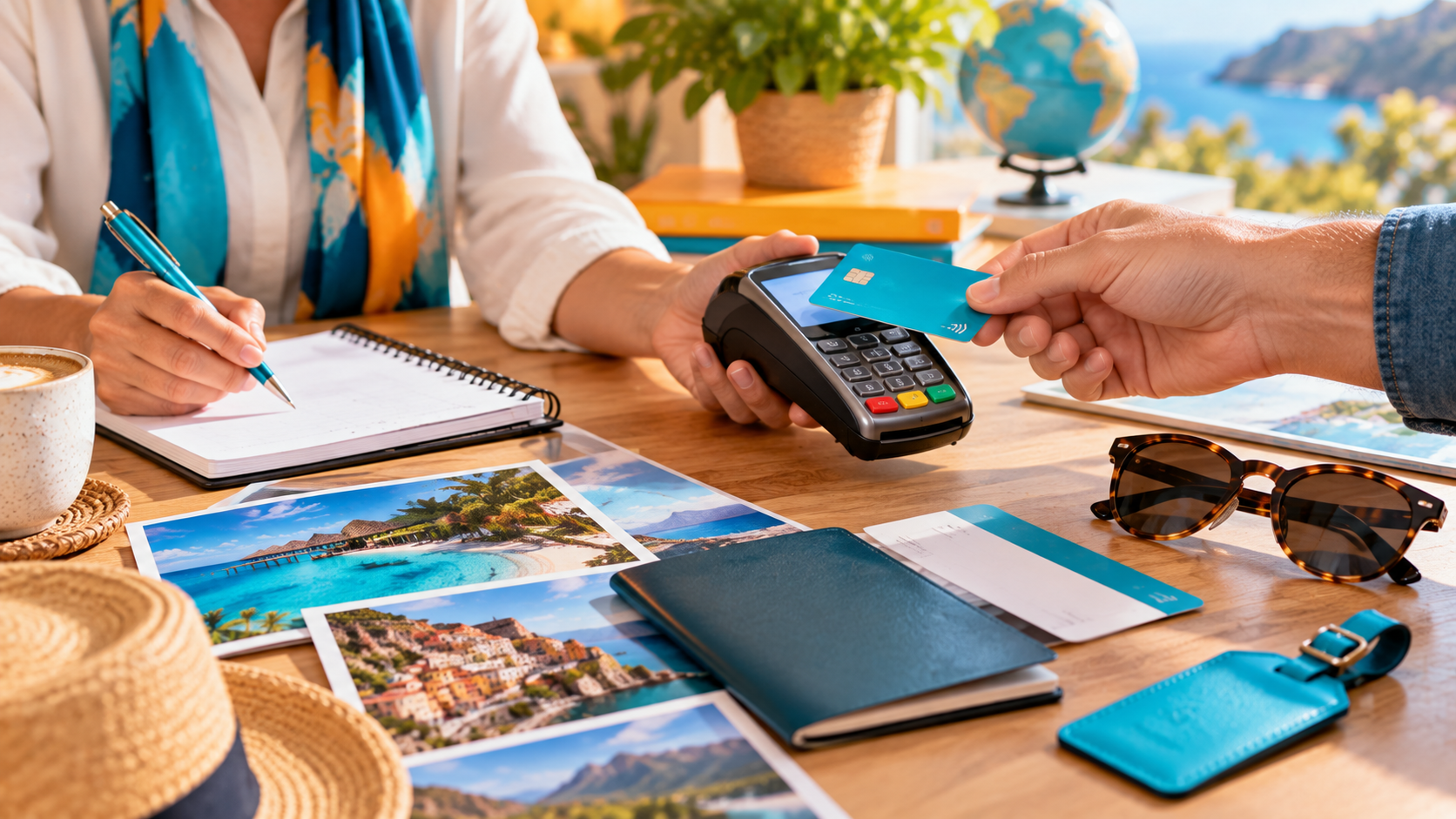
Top Tips for Selling Accessible Travel
Top Tips for Selling Accessible Travel

Selling accessible travel well is not about making assumptions, using the right buzzwords or adding a wheelchair symbol to a quote. It is about listening carefully, asking better questions and making sure the holiday being recommended genuinely matches the client’s needs.
For a travel homeworker, this is an area where thoughtful service can make a huge difference. Many clients with access needs, mobility requirements, sensory needs, medical considerations or caring responsibilities have had frustrating experiences when travel providers have treated accessibility as an afterthought. A confident, well-trained travel consultant can help remove uncertainty and make the planning process feel safer, calmer and more personal.
Accessible travel sales also requires honesty. Not every hotel, cruise ship, resort, transfer or excursion will be suitable for every client. Your job is not to promise perfection. Your job is to understand what matters, check carefully, document what has been requested and guide the client with care.
This guide is written mainly for people building a travel homeworking business, or those thinking about becoming an independent travel consultant. It explains how to approach accessible travel sales in a professional, respectful and practical way.
What Accessible Travel Sales Really Means
Accessible travel sales means helping clients choose holidays that work for their individual access, mobility, health, communication, sensory or support needs. It can include wheelchair access, step-free rooms, adapted bathrooms, airport assistance, medical equipment, dietary needs, hearing or visual support, neurodivergent-friendly environments, assistance dogs, quieter spaces, shorter walking distances, accessible transfers or simply a slower-paced itinerary.
The key point is that accessible travel is not one single product category. Two wheelchair users may need completely different room layouts. A client with autism may care more about airport processes, noise levels and routine. A client with a hidden condition may need shorter transfers, extra rest time or clear information before they travel.
That is why good accessible travel sales starts with conversation, not assumptions.
For travel homeworkers, this is also a valuable reminder that specialist selling is not just about destinations. It is about becoming known for care, detail and client understanding. If you are building confidence as a new consultant, our guide on how to build a client travel checklist is a helpful companion to this article.
Why Accessible Travel Matters for Travel Homeworkers
Accessible travel is one of the clearest examples of why people still need a human travel consultant. Online booking sites can filter hotels, show room types and list basic facilities, but they rarely tell the full story.
A client may need to know whether the accessible room has a roll-in shower, whether the balcony has a lip, whether the lift reaches every floor, whether there is a slope to the pool, whether the transfer vehicle can take a folded wheelchair, whether the beach has mats or whether the ship has suitable accessible cabins left.
That level of detail is where an independent travel consultant can stand out. It allows you to move away from price-only selling and towards trusted advice. If you want to strengthen that wider mindset, our article on how to sell travel without discounting your value is especially relevant.
Accessible travel sales can also become part of your niche. You do not need to claim to be an expert in every disability or medical need. You can, however, become known as someone who listens properly, checks carefully and does not dismiss client concerns.
Start With Respectful Discovery Questions
The best accessible travel sales conversations are calm, respectful and practical. Clients should not feel interrogated, judged or rushed. They should feel that you are asking questions because you want to recommend the right holiday, not because they are a problem to solve.
A useful opening could be: “Are there any access, mobility, health, sensory, dietary or support needs I should be aware of so I can make sure I research suitable options?”
This wording keeps the door open. It does not assume disability. It also gives clients permission to share information that may affect their trip.
What to ask
Ask about the client’s daily travel experience, not just their diagnosis or label. You might need to understand walking distances, stairs, lifts, shower style, bed height, medical equipment, transfer needs, airport assistance, fatigue levels, noise sensitivity, dietary requirements, service animals, medication storage or preferred communication.
Why it matters
Practical details affect the booking. A hotel described as “accessible” may still be unsuitable if the room is too far from the lift, the bathroom has the wrong layout or the resort has steep paths. Asking specific questions early reduces the chance of disappointment later.
How a travel homeworker can use it
Add a short accessibility prompt to your enquiry process, then follow up with more detailed questions only where needed. This keeps the initial enquiry simple while still showing that inclusive client care is part of your professional approach.
Do Not Sell From Assumptions
One of the biggest mistakes in accessible travel sales is assuming that a client wants the “accessible option” without understanding what accessible means to them.
For example, a cruise may be ideal for one wheelchair user because of lifts, flat decks and accessible cabins. Another wheelchair user may be worried about tender ports, excursion access or the distance between cabin and dining venues. A family travelling with a neurodivergent child may love a resort with lots of activities, while another may need a quieter property with predictable routines and calmer spaces.
Assumptions can also happen with hidden disabilities. Not every access need is visible. Clients may need help with fatigue, anxiety, hearing loss, diabetes, allergies, chronic pain, visual impairment, dementia, learning disabilities or medical equipment.
Your role as a travel consultant is to ask, check and confirm. It is not to decide what the client can or cannot do.
Build an Accessible Travel Sales Workflow
A clear workflow helps you stay organised and makes the client feel supported. This is especially important when you are working from home and managing multiple enquiries, suppliers and client conversations.
Step 1: Capture the access need clearly
Practical description: Record the client’s own wording wherever possible. Instead of writing “disabled room needed”, record the exact requirement, such as “step-free access, roll-in shower, space for wheelchair beside bed and lift access to restaurant”.
Why it matters: Clear notes reduce confusion when speaking to suppliers or checking options later.
How to use it: Add a dedicated access requirements section to your CRM notes or client enquiry workflow.
Step 2: Check the whole journey
Practical description: Look beyond the hotel. Consider airport, aircraft, transfers, resort layout, excursions, restaurants, cruise ports, beach access, room location and in-destination support.
Why it matters: A suitable room is not enough if the transfer, resort terrain or excursion programme creates barriers.
How to use it: Use a journey checklist from home to holiday and back again. This is where good systems make travel homeworking feel professional.
Step 3: Verify before taking payment
Practical description: Where accessibility is essential to the booking, check availability and suitability before the client commits. Do not rely only on a generic website description.
Why it matters: Accessible rooms, adapted cabins, mobility equipment and specialist transfers may be limited.
How to use it: Ask suppliers to confirm key details in writing where possible and keep those notes with the client record.
Step 4: Document requests and expectations
Practical description: Record what has been requested, what has been confirmed, what remains subject to availability and what the client must check themselves, such as passport, visa, medical and insurance requirements.
Why it matters: Good documentation protects the client, the consultant and the wider booking process.
How to use it: Build accessibility confirmation into your booking checklist and post-booking email templates.
Know the Difference Between a Request and a Guarantee
Travel consultants need to be careful with language. Some accessibility elements can be booked and confirmed. Others may be requests, preferences or operational arrangements handled by the airline, airport, hotel, cruise line or local supplier.
For example, airport assistance can usually be requested in advance, but the actual delivery of that assistance depends on airport and airline processes. A hotel may confirm an accessible room, but you still need to check what that means in practical terms. A supplier may accept a dietary request, but the client may still need to speak to staff in resort if they have severe allergies.
Good accessible travel sales means being reassuring without overpromising. A phrase such as “I will request this and document it clearly” is safer than “that will definitely be fine” unless you genuinely have confirmation.
Create Better Supplier Questions
The quality of your supplier questions can make or break an accessible booking. Vague questions lead to vague answers. Specific questions help suppliers give useful information.
Instead of asking, “Is the hotel accessible?”, ask questions such as:
- Is there step-free access from reception to the room?
- Does the room have a roll-in shower or a bath?
- Are grab rails fitted beside the toilet and shower?
- Can a wheelchair fit beside the bed?
- Is there lift access to restaurants, pool areas and public spaces?
- How far is the room from reception, dining and facilities?
- Is the transfer vehicle suitable for the client’s mobility equipment?
- Are mobility aids or shower chairs available to hire locally?
- Are any excursions suitable for wheelchair users or clients with limited mobility?
These questions show professionalism. They also help clients see the value of using a real travel consultant instead of trying to piece everything together alone.
Use Accessible Travel as a Trust-Building Marketing Topic
Accessible travel sales should never feel exploitative. However, sharing practical, inclusive travel advice can be a powerful way to build trust with clients who may be nervous about travelling.
You could create content around airport assistance, accessible cruise planning, travelling with limited mobility, holidays for clients with hidden disabilities, family travel with additional needs, sensory-friendly travel planning or questions to ask before booking an accessible room.
The aim is not to position yourself as a medical expert. The aim is to show that you understand travel planning, ask thoughtful questions and take client needs seriously.
If you are building your marketing habits, our guide to creating a content bank for travel marketing can help you organise ideas like this across the year.
How The Independent Travel Consultants Supports Better Client Care
Accessible travel sales is easier when you are not working everything out alone. The Independent Travel Consultants model is designed to give travel homeworkers the systems, supplier access, guidance and support needed to build a professional travel business from home.
Our travel homeworkers operate as self-employed Independent Travel Consultants, supported by training, booking systems, supplier access, compliance guidance and ongoing help. Client money is held securely through the PTS Trust Account, and through Jamie Wake Travel consultants can access ATOL protection where applicable, Supplier Failure Insurance and Airline Failure Insurance.
There are no joining fees, the monthly service fee is £50 and consultants retain 80% of the profit, with the remaining 20% helping to cover the support, systems and protection structure. That matters because accessible travel sales often depends on confidence, process and knowing when to ask for help.
If you are considering this career path, you can learn more about our training and support for independent travel consultants, read our guide to starting a home based travel business in the UK, or explore what it means to become a travel agent.
A Transparent Note for Members of the Public
This article is written mainly for people interested in travel homeworking, becoming an independent travel agent or improving their skills as a travel consultant. However, members of the public may also find this page while searching for an independent travel agent UK, independent travel consultant or travel consultant.
If that is you, welcome. Accessible travel is exactly the sort of area where working with a thoughtful consultant can help. A good consultant will listen, ask useful questions, check details carefully and help you understand what has been requested or confirmed before you travel.
If you are looking for personal holiday planning support, you can search for an independent travel consultant through The Independent Travel Consultants.
Jamie Says:
“Accessible travel is one of those areas where consultants have to slow down and really listen.
It is not enough to say a hotel is accessible because a supplier website says so. You need to understand what the client actually needs, ask better questions and make sure the client knows what has been confirmed and what remains a request.
For travel homeworkers, this is also a reminder that good selling is not pushy. Good selling is careful, respectful and useful. When clients feel heard and protected, they remember that.”
Common Accessible Travel Sales Mistakes to Avoid
Using vague words
Words like accessible, suitable or disabled-friendly can mean different things to different people. Use exact descriptions instead.
Leaving accessibility checks until after booking
If an access feature is essential, it should be checked before the client commits wherever possible.
Talking only to the companion
Speak directly to the traveller unless they have asked someone else to communicate on their behalf. Respect and independence matter.
Forgetting hidden disabilities
Accessible travel is not only about wheelchairs. Hidden disabilities, sensory needs, fatigue, allergies, anxiety, hearing loss and medical conditions can all affect a trip.
Promising what you cannot control
Be warm and helpful, but do not guarantee supplier or airport operations unless you have a clear basis for doing so.
Frequently Asked Questions
What is accessible travel sales?
Accessible travel sales is the process of helping clients choose and book travel that suits their access, mobility, medical, sensory, communication or support needs. It involves careful questioning, supplier checks, clear documentation and honest communication.
Can a new travel homeworker sell accessible travel?
Yes, but they should do it carefully and within their knowledge. New travel homeworkers should ask detailed questions, use approved suppliers, document requests clearly and ask for support when they are unsure.
What questions should I ask clients with accessibility needs?
Ask what would make the trip comfortable and safe for them. Useful areas include walking distance, stairs, lifts, bathroom layout, transfers, medical equipment, airport assistance, sensory needs, dietary requirements and support while travelling.
Should I advertise accessible travel as a niche?
You can, but only if you are prepared to handle enquiries with care and accuracy. It is better to market yourself as thoughtful, inclusive and detail-focused than to claim expertise you do not yet have.
Why is accessible travel a good skill for independent travel consultants?
It helps consultants provide more personal service, build trust and stand out from online booking platforms. It also encourages better discovery questions and stronger client care across all types of holidays.
Build Confidence in Accessible Travel Sales
Accessible travel sales is not about knowing every answer immediately. It is about knowing how to ask the right questions, when to check, how to document requests and how to support clients with honesty and respect.
For people exploring travel homeworking, this is the type of skill that can help you build a business with real purpose. Clients remember consultants who take their needs seriously. They remember calm communication, careful checking and honest guidance.
At The Independent Travel Consultants, we support people who want to build a travel business from home with training, systems, supplier access and a community behind them. Whether you are new to the industry or looking for a more supportive homeworking model, you do not have to build your travel business alone.
If you are ready to explore becoming an independent travel consultant, book a friendly discovery call and let’s talk about whether The Independent Travel Consultants is the right fit for you.
About Jamie Wake
Jamie is the founder of The Independent Travel Consultants and a passionate advocate for empowering others to succeed in the travel industry through honesty, training, and community. He brings decades of travel experience, a focus on doing things differently, and a strong commitment to supporting UK-based homeworkers.