Using Facebook Events to Promote Travel Webinars
Using Facebook Events to Promote Travel Webinars
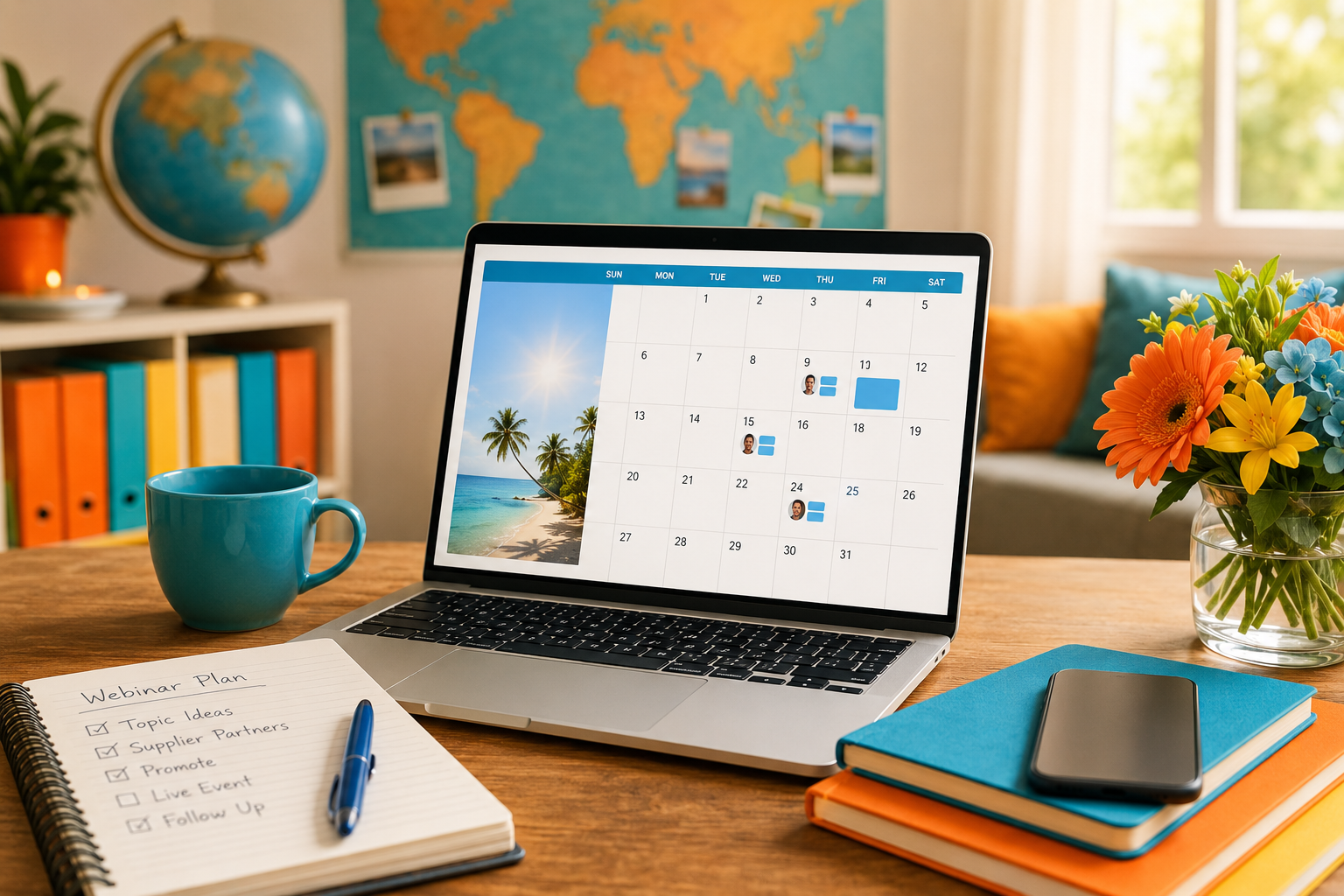
Travel webinars can help an independent travel consultant turn useful knowledge into genuine conversations with future clients. The challenge is not simply choosing a webinar platform or appearing live on camera. It is getting the right people to notice the session, understand why it is relevant to them and take the next step.
Used well, Facebook Events can give a webinar a clear home. The event page can bring together the topic, date, time, speaker information, joining instructions and updates, while making it easier for people to express interest or share the session with someone else. The strongest facebook events travel agents create are not vague online presentations. They are focused campaigns built around one audience, one problem and one useful outcome.
This guide explains how a travel homeworker can plan, promote and follow up a Facebook Event for a travel webinar without relying on spammy invitations, exaggerated promises or a large advertising budget.
Why Facebook Events Can Work for Travel Webinars
Travel is a considered purchase. A client may be trusting you with a significant budget, an important celebration or a complicated family trip. Before they enquire, they often want reassurance that you understand the destination, the type of holiday and the practical details that matter to them.
A webinar creates space to demonstrate that knowledge in a helpful way. A Facebook Event then acts as the promotional hub around it. People can see the details in one place, respond as Interested or Going, receive event updates and share the event with friends or family who may also benefit.
For a business Page, the event will be public. When creating a virtual event, you can direct attendees to Facebook Live, an external webinar link or another online arrangement. Decide how the session will be delivered before you create the event because some settings, including event privacy, cannot be changed afterwards.
Remember that a Facebook response is an indication of interest, not necessarily a confirmed registration. Your event should lead people towards a clear registration process so you know who genuinely plans to attend and how to send the joining information.
Choose a Webinar Topic People Will Make Time For
A broad title such as “Travel Inspiration Evening” may sound pleasant, but it gives the audience little reason to prioritise it. A stronger topic promises help with a specific decision or concern.
Useful travel webinar ideas could include:
- How to choose the right first cruise for your family
- Planning a school holiday without leaving everything until the last minute
- What to consider before booking a multi-generational holiday
- How to compare honeymoon options when your wish list is bigger than your budget
- Accessible travel planning questions to ask before paying a deposit
- How to plan a long-haul family holiday with manageable flight times
Each topic attracts a more defined audience and naturally creates opportunities for relevant follow-up. It also helps you avoid trying to cover every destination or prove everything you know in one session.
Choose a subject you can discuss confidently and responsibly. Your role is not to deliver a hard sell. It is to help people understand their options, identify the questions they should ask and recognise where professional support could make the planning process easier.
Plan the Client Journey Before Creating the Event
Start with the action you want an attendee to take. That might be registering for the webinar, requesting a planning call, joining a waiting list for a future trip or submitting a more detailed holiday enquiry. Without this decision, the event can attract attention but produce no meaningful next step.
A simple webinar journey might look like this:
- The person discovers the Facebook Event.
- They visit a short registration or enquiry form.
- They receive confirmation and joining instructions.
- They receive one or two useful reminders before the session.
- They attend live or receive an agreed replay.
- They receive a relevant follow-up based on their interest.
Your form does not need to become an interrogation. Ask for the details needed to manage the webinar, then include one or two questions that help you understand the audience. For example, you might ask whether they are considering a cruise in the next 12 months or what their biggest concern is about travelling with a larger family group.
Our guide to creating an enquiry form that qualifies travel leads can help you decide which questions add value without creating unnecessary friction.
Build a Facebook Event That Makes the Value Clear
Create the event from the Facebook Page you use for your travel business. Choose the virtual event option that matches your delivery method, then complete every important detail before inviting anyone.
Use a clear, benefit-led event name
The title should tell people what the session is about and who it is for. “First-Time Family Cruising: How to Choose the Right Ship and Cabin” is more useful than “Cruise Webinar”. Keep it specific enough to attract the right people but natural enough to read quickly on a mobile phone.
Create a strong event image
Use a clean, recognisable image that supports the subject. Avoid filling it with tiny text, several supplier logos or a collage of unrelated destinations. The event name and description can carry the detail. The image needs to stop the scroll and feel consistent with your travel business.
Write a description that answers the obvious questions
Your event description should make clear:
- Who the webinar is designed for
- What attendees will learn
- Who is presenting and why they can help
- The date, start time, expected length and time zone
- Whether attendees need to register separately
- Whether a replay will be available
- What the next step is after the session
Avoid promising that attendees will find the “cheapest holiday” or creating false urgency around prices and availability. Travel prices can change quickly, and any examples used during the webinar should be clearly explained and accurate at the time they are shown.
Use a Simple Promotion Timeline
You do not need to mention the event every day. A short campaign with different reasons to attend is more effective than repeating the same graphic and caption.
A practical timeline could be:
- Two to three weeks before: Create the event and publish the main announcement.
- Ten to fourteen days before: Share a useful tip connected to the webinar topic and link naturally to the event.
- One week before: Introduce the speaker, guest or specialist knowledge behind the session.
- Two to three days before: Answer a common objection or question the webinar will cover.
- On the day: Share a clear reminder with the registration deadline and start time.
- Afterwards: Thank attendees, share an agreed replay or summary and offer a relevant next step.
This becomes easier when you are already creating a travel marketing content bank . You can prepare the event image, email, reminder posts, speaker introduction and follow-up content together rather than producing each item at the last minute.
It also supports staying consistent on social media without burnout , because one well-planned webinar gives you several useful pieces of content without requiring a new idea every day.
Promote the Event Without Spamming People
Inviting every Facebook contact is rarely the best strategy. Relevance matters more than volume. A smaller group of people who genuinely care about the topic is more valuable than a long list of people who ignore the invitation.
Promote the event through a sensible mix of channels:
- Your travel business Page
- Your personal profile, where appropriate
- Relevant Facebook Groups where promotional posts are permitted
- Your email audience, where you have the appropriate permission to contact them
- A supplier, tourism partner or guest speaker involved in the webinar
- Your website, blog or enquiry confirmation emails
- A well-managed client-only Facebook group , when the topic is genuinely useful to members
Give people a reason to share the event rather than simply asking them to do so. A line such as “Know a family considering their first cruise? They are welcome to join us” makes the audience and value clear.
Paid promotion can help when the topic, audience and registration process have already been tested. Before spending money, read our practical guide to Facebook ads for travel agents . Advertising should amplify a clear offer, not compensate for a confusing event page.
Turn Event Interest Into Confirmed Registrations
Someone selecting Interested or Going may still forget, misunderstand the joining process or decide not to attend. Make the registration link easy to find in the event description, event updates and reminder posts.
Keep the registration process mobile-friendly and explain exactly what happens next. A confirmation page or email should repeat the date, time, webinar platform and joining instructions. It should also tell the person how to submit a question in advance if you are offering that option.
Be clear about data use. Details collected to administer the webinar and send essential event information should not automatically be treated as permission for unrelated ongoing marketing. Where you invite someone to receive future travel offers or newsletters, provide a separate, clear choice rather than bundling consent into the registration.
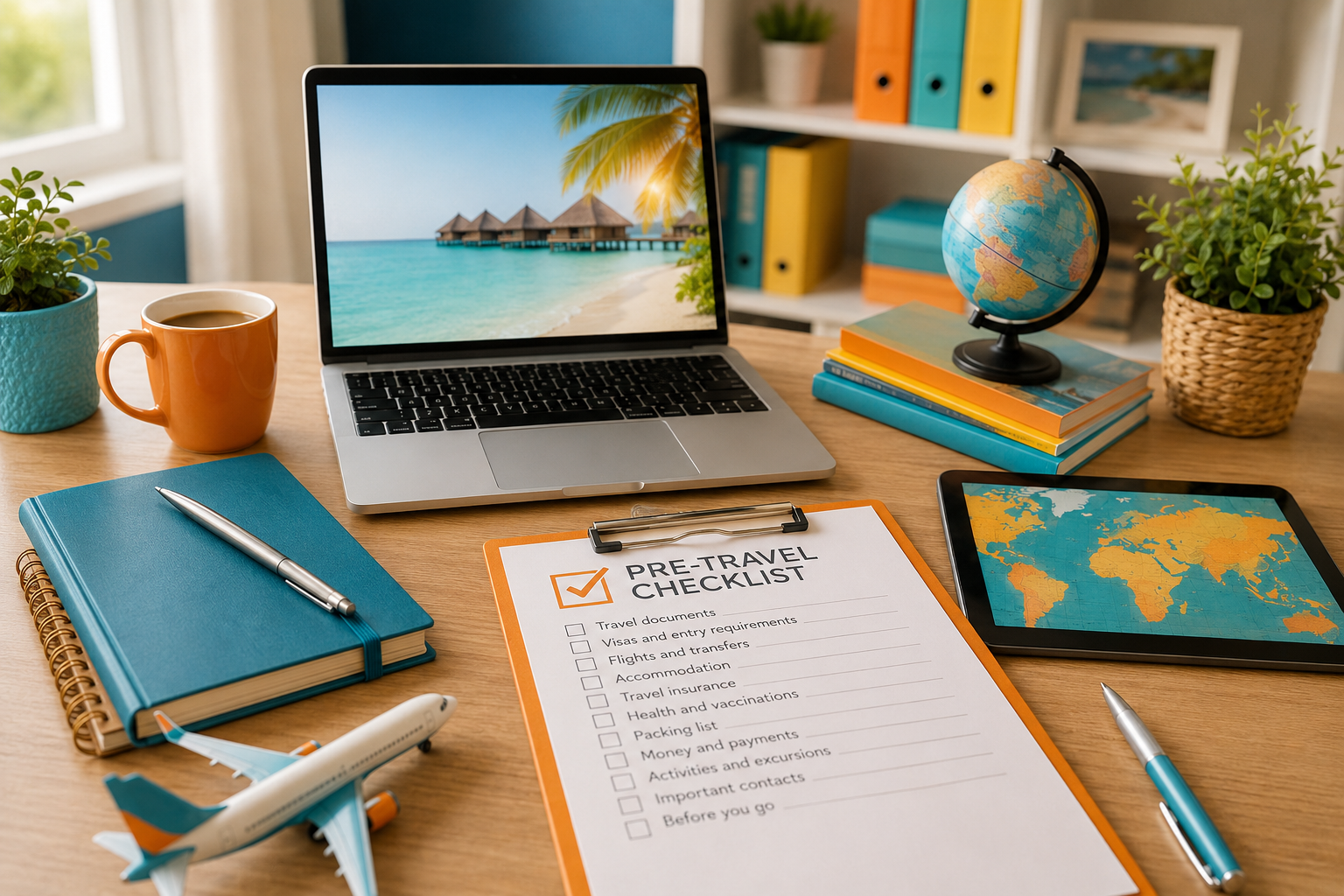
Test the full process yourself on a phone before promotion begins. Check that the event link, registration form, confirmation message and webinar link all work as expected.
Host a Webinar That Builds Trust
A useful travel webinar does not need to last for hours. For many client-facing topics, 30 to 45 minutes plus questions is enough. A simple structure is often strongest:
- Explain the decision or problem the webinar will help with.
- Teach three to five useful points with practical examples.
- Summarise the next steps and answer questions.
Use examples that help people understand trade-offs. A first-time cruise webinar might compare a larger resort-style ship with a smaller premium option, explain why cabin position matters and show how school holiday dates can affect choice and price. The aim is not to recommend one product to everybody. It is to demonstrate how an independent travel consultant matches the holiday to the client.
Encourage questions, but protect personal information. A participant should not feel pressured to share their full budget, medical needs or family circumstances publicly. Invite them to request a private conversation when their question needs a more personal answer.
For more help with presentation structure and audience participation, see our guide to hosting a live travel Q&A .
Follow Up in a Way That Feels Personal
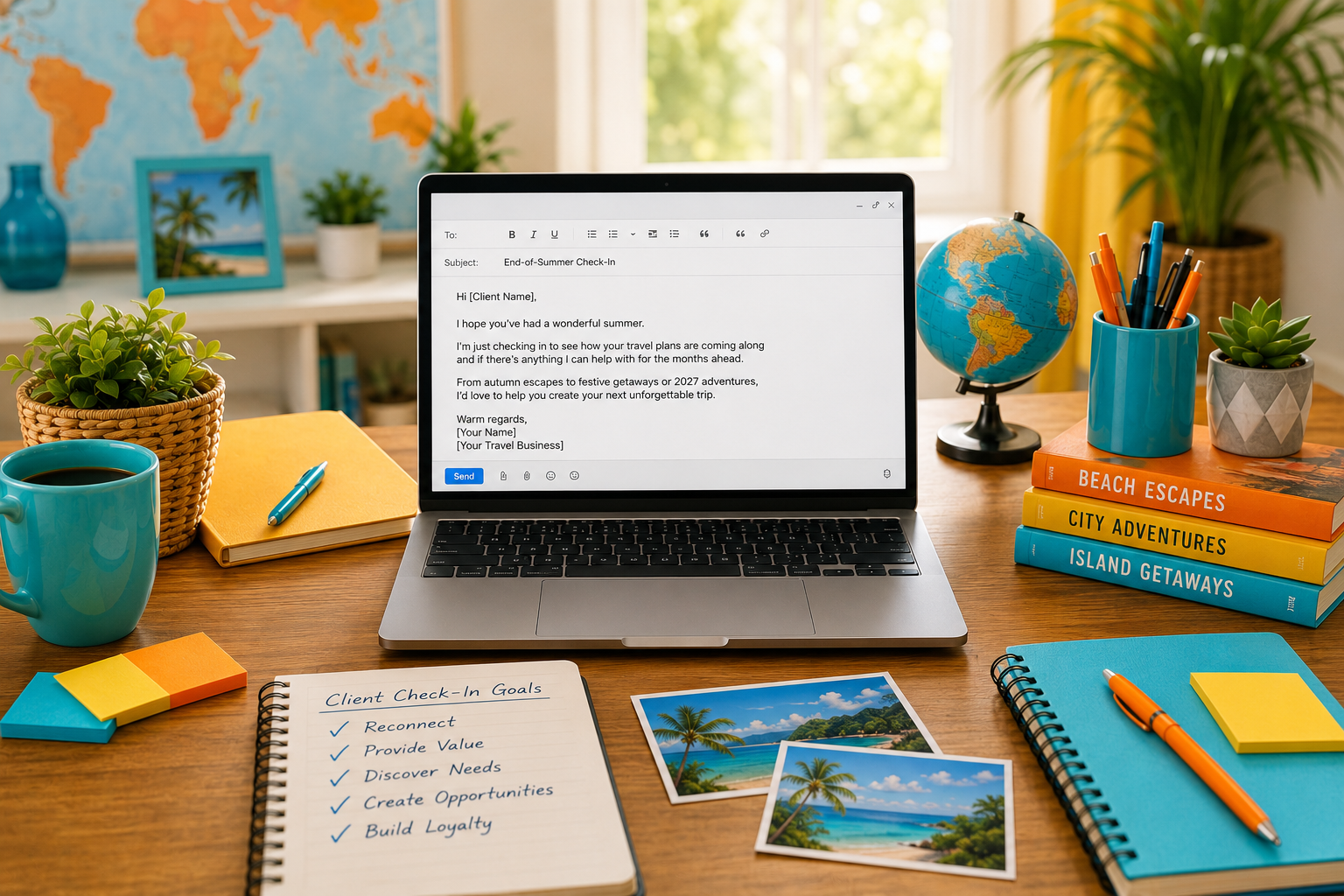
The follow-up is where a useful event can become a business opportunity, but it should reflect what the person actually did.
An attendee who asked a detailed question may welcome a personal reply and an invitation to discuss their plans. Someone who attended quietly may prefer a concise summary and the option to respond when ready. A registrant who missed the session can receive the replay or key points without being made to feel guilty.
Segment your follow-up where possible:
- Attended and asked a question
- Attended without asking a question
- Registered but did not attend
- Showed interest on Facebook but did not complete registration
Ask one easy, relevant question rather than sending a long sales message. “Are you looking at a cruise for a particular month?” is more likely to begin a conversation than “Let me know if I can help”.
A documented follow-up strategy that turns enquiries into sales helps you remain professional and consistent without chasing people indefinitely.
Measure What Matters
Reach, reactions and event responses can show whether the topic caught attention, but they do not tell the whole story. Track the numbers that connect the webinar to your business:
- Facebook event responses
- Completed registrations
- Live attendance
- Questions submitted
- Replay views or requests
- Consultation calls booked
- Qualified holiday enquiries
- Quotes and confirmed bookings
Review where registrants came from and which questions they asked. Even when a webinar does not produce an immediate booking, it can reveal language, concerns and content ideas that improve future marketing.
Do not judge the first session only by audience size. Five relevant attendees who trust your expertise can be more valuable than 100 passive viewers with no connection to the topic.
A Note for Members of the Public
This article is mainly written for people considering travel homeworking or developing their skills as an independent travel consultant. Members of the public are equally welcome to use our website when planning a holiday. You can use our directory to find a travel consultant in the UK whose experience and interests suit your trip.
Jamie Says:
“Do not use a webinar to prove how much you know. Use it to solve one real problem for one clear group of clients. The event gets their attention, but useful advice, thoughtful follow-up and good client care are what turn that attention into trust.”
Frequently Asked Questions
Do I need a large Facebook following to promote a travel webinar?
No. A focused topic and relevant audience are more important than a large follower count. Existing clients, local contacts, specialist groups, email subscribers and a suitable partner can help you reach people who are genuinely interested.
Should I host the webinar on Facebook Live or use an external platform?
Choose the option that best supports the experience you want to provide. Facebook Live can reduce friction for an open session. An external webinar platform may offer stronger registration controls, attendee reporting, waiting rooms or presentation tools. Whichever option you use, make the joining process clear.
How far in advance should I create the Facebook Event?
Two to three weeks is a practical starting point for many consumer travel webinars. It gives you time to promote the session without allowing so much time that people forget why they registered.
Do Interested and Going responses count as registrations?
Not necessarily. Treat them as useful signs of interest, then direct people to your registration process if you need their contact details, advance questions or an accurate attendance estimate.
Should I pay to promote the event?
Paid promotion can be useful once you know the topic appeals to the right audience and the registration journey works. Begin with a controlled budget, a defined audience and a measurable objective. Do not boost an unclear event simply to increase reach.
What happens if nobody asks a question live?
Prepare several common questions in advance. You can introduce them naturally by saying that they are questions clients often ask. This keeps the session useful and avoids an uncomfortable silence while attendees gain confidence.
Can a new travel homeworker host a webinar?
Yes, provided the topic sits within your knowledge and you prepare carefully. You can also invite a more experienced consultant, supplier representative or destination specialist to join you. Be transparent about your role, check factual claims and never guess when a question needs further research.
Build Your Travel Business With the Right Support
Travel homeworking gives you the opportunity to build your own client base and develop a marketing style that reflects your personality and specialist interests. It also brings responsibility for learning systems, following booking processes, communicating professionally and managing your business consistently.
The Independent Travel Consultants supports self-employed consultants with online training, booking systems, supplier access, financial protection arrangements, marketing guidance and ongoing operational support. There is no joining fee, the monthly service fee is £50, and consultants receive 80% of the profit after applicable booking costs. Success is not instant or guaranteed, but the right structure can help you build gradually through service, repeat clients, referrals and focused marketing.
Explore what is included when you join our independent travel homeworking network . The next step is to book a friendly discovery call so we can learn more about your plans, explain how the model works and decide together whether it feels like the right fit.
About Jamie Wake
Jamie Wake is the founder of The Independent Travel Consultants and Jamie Wake Travel, helping people build sustainable travel businesses with practical training, supportive systems and genuine guidance behind them.
Having built his own travel business following redundancy, Jamie understands the uncertainty, determination and learning involved in starting something new. He combines hands-on experience of running a UK travel company with knowledge of travel sales, customer service, marketing, supplier relationships, compliance and day-to-day business operations.
Through The Independent Travel Consultants, Jamie shares practical, honest guidance about becoming a travel homeworker, attracting and supporting customers and building a business that feels personal, professional and sustainable—not simply chasing bookings at any cost.