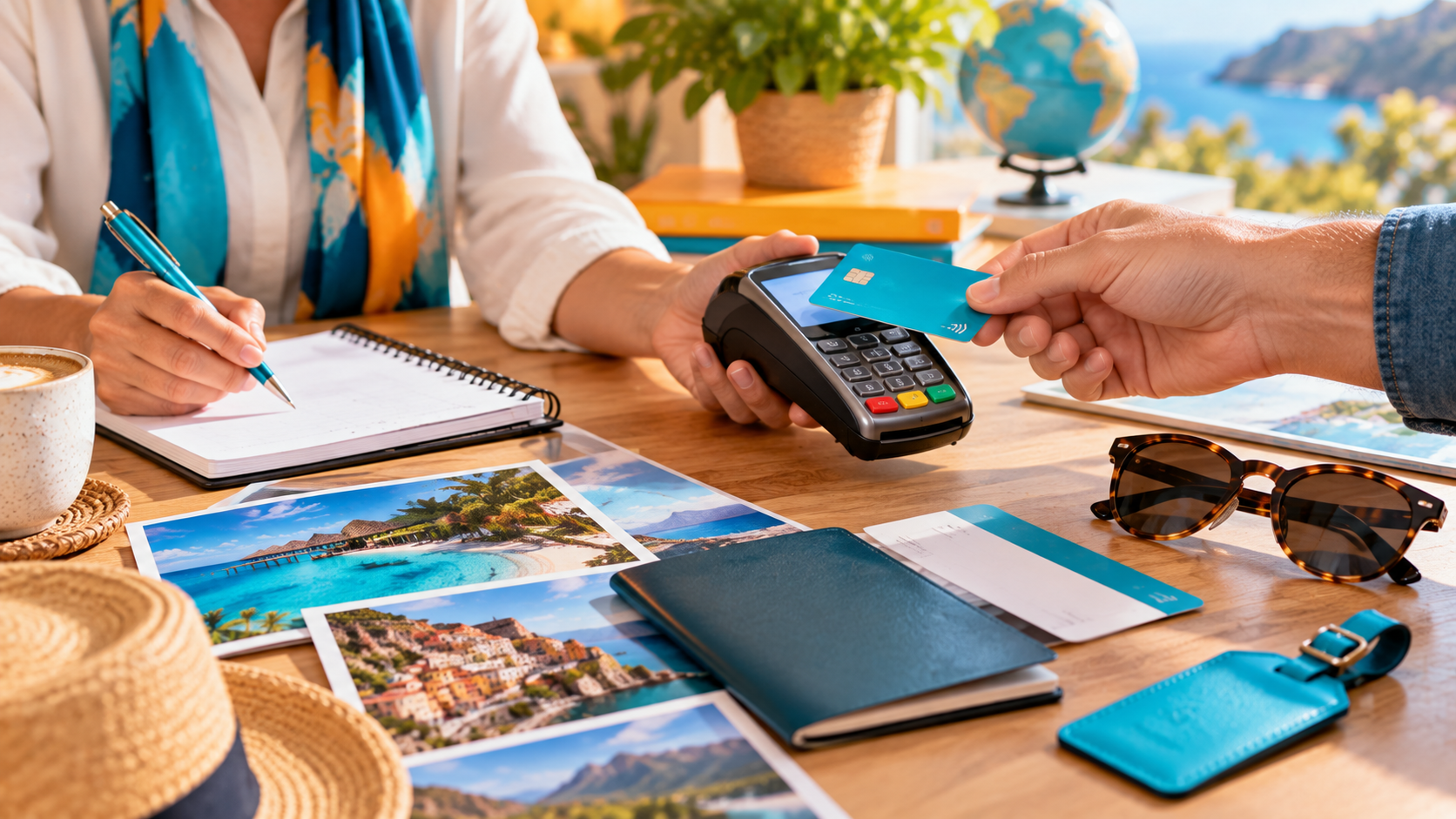
Planning an Autumn Retreat Offer Now
Planning an Autumn Retreat Offer Now

Autumn is one of the easiest seasons to market badly. A travel consultant can post a photograph of a spa, add a price and call it an autumn escape, but that rarely explains why the trip matters to the client in front of them. Strong autumn retreat marketing starts with a clearer idea: who needs a break, what kind of reset they are looking for, and how can you turn that need into a travel offer that feels timely, reassuring and easy to enquire about?
For a travel homeworker, this is a useful seasonal campaign because a retreat can sit across several valuable travel themes - wellness, spa, food, walking, nature, slow travel, adults-only breaks, digital detoxes and small-group experiences. You do not need to become a retreat organiser to use the idea well. You need to understand the product you are selling, present it accurately and connect it to a genuine client need.
If you are considering travel homeworking rather than already selling travel, this type of campaign is also a good example of the commercial thinking involved. An independent travel consultant is not simply waiting for people to ask for a holiday. You learn how to spot opportunities, shape useful offers, market them consistently and support the enquiry professionally. You can read more about our supported travel homeworking model and what building your own client base involves.
Why autumn retreat marketing deserves its own campaign
Autumn creates a different emotional starting point from peak summer. By September and October, many clients are back into work, school runs, darker evenings and routine. Some want warmth. Others want quiet, good food, countryside, spa time, walking or a few days with fewer demands on them.
That means the product does not have to be sold as a dramatic transformation. Often the most persuasive message is much simpler: a well-chosen short break that helps someone switch off, reconnect, sleep better, spend time together or enjoy a slower pace before winter.
This is also where autumn overlaps naturally with shoulder season travel marketing. Lower-season travel can give clients a different atmosphere from summer, and a consultant can add value by explaining the fit rather than relying on price alone.
Think beyond the word "retreat"
Not every client will search for or respond to the word retreat. Some will want a spa weekend. Some will describe needing a break after a difficult few months. Others may be interested in a walking holiday, yoga programme, foodie escape, countryside hotel, adults-only resort or a long weekend somewhere calm.
Your campaign can therefore use the retreat idea as a theme while remaining accurate about the product. If a hotel package is simply accommodation with spa access, do not present it as a structured wellness retreat. If a specialist supplier includes classes, coaching, guided activities or a programme of experiences, explain exactly what is included and who it may suit.
Start with the client you want to attract
The strongest competitor advice on retreat marketing starts with intent and trust rather than posting more content. That is particularly relevant to a travel homeworker. Before choosing a destination or supplier, decide whose attention you want.
A useful autumn campaign might focus on:
- couples who want two or three nights away after the summer rush;
- busy professionals looking for a spa or wellness reset;
- friends planning a restorative weekend together;
- solo travellers who value organised activities and a welcoming environment;
- clients who prefer walking, nature, food or culture to a traditional beach holiday;
- parents who can travel outside school holiday dates;
- repeat clients who have previously booked luxury, wellness or short-break travel.
The audience changes the offer. A two-night UK spa hotel could be ideal for someone with limited annual leave. A four-night European wellness hotel may suit a client who wants warmer weather and more time away. A guided walking or food-focused break may appeal to someone who likes the idea of a retreat but does not want yoga, meditation or a heavily structured programme.
If wellness is central to the campaign, our guide to promoting wellness and spa holidays gives more ideas for matching the product to the client's motivation rather than simply listing facilities.
Choose the right type of autumn retreat offer
An autumn retreat offer should be easy for the client to understand and realistic for you to sell. You do not need a huge range. One or two strong concepts are usually easier to communicate than a feed full of unrelated destinations.
Wellness and spa breaks
These are the most obvious fit, but avoid treating every spa hotel as interchangeable. Look at the actual experience - treatment availability, pool and thermal facilities, meal plan, room type, transfer time, setting and whether the atmosphere feels restful or busy. A client who wants quiet may care more about the hotel environment than the number of treatment rooms.
Nature and slow-travel escapes
Autumn can be ideal for clients who enjoy countryside, lakes, mountain scenery, coastal walks or smaller towns. The marketing can focus on pace, scenery, local food and time outdoors rather than packing every day with sightseeing.
Food, wine and cultural retreats
A retreat does not have to be wellness-led. A few nights built around seasonal food, vineyard visits, cookery, local markets, art or culture can create the same sense of purposeful time away. This can work especially well for repeat clients who want a short trip with a clear reason to travel.
Small-group or specialist programmes
Where an approved supplier offers a genuine yoga, fitness, walking, creative or specialist retreat, make the programme part of the sales story. Explain what is structured, how much free time is included, what level of activity is expected and whether the group format suits the client.
Know whether you are selling a retreat or creating one
This distinction matters. A travel homeworker may promote an existing supplier-operated retreat, sell a packaged short break that happens to suit a retreat-style campaign, or work within approved arrangements to combine travel elements. Those are not automatically the same thing.
Before advertising, be clear about who is providing the travel arrangements, what the booking conditions are, what financial protection applies and what you are authorised to package or describe. If you are combining components yourself, follow the booking, package and compliance process provided by your homeworking business before putting the offer in front of clients.
At The Independent Travel Consultants, consultants receive supplier access, booking systems, training and operational support, but they are still expected to understand what they are selling and communicate it accurately. That is one of the practical differences between professional travel homeworking and simply sharing attractive holiday content.
Build the offer around an outcome, not a list of facilities
One of the strongest ideas in current retreat marketing is that people are often buying a feeling or outcome rather than a hotel feature. For a travel consultant, that does not mean making exaggerated wellbeing claims. It means translating features into an experience the client can recognise.
Instead of writing "four-star hotel, spa, breakfast and late checkout", you might explain that the break suits someone who wants a short reset without using a full week of annual leave. If the hotel is close to good walking routes, say that. If the package includes breakfast and dinner, explain how that makes the break easier to budget for. If transfers are included, make the convenience visible.
Your role is to make the offer clearer, not more dramatic. The same principle applies when repackaging supplier content to match your own travel brand. Keep the supplier facts accurate, then add your own useful explanation about suitability, value and the client experience.
A practical 30-day autumn retreat marketing plan
You do not need six months of content to launch a useful autumn campaign. If you are planning now, a focused four-week sequence can create enough repetition for people to understand the idea without seeing the same sales message every day.
Week 1 - choose the audience and build the offer
Select the client type, one core retreat theme and a small number of suitable products. Check availability, booking conditions, inclusions, likely transfer arrangements and the practical questions a client is likely to ask. Decide whether you are presenting an example price, inviting tailored enquiries or doing both.
Prepare the core material at the same time - an email, two or three social posts, a short website or landing-page explanation if you have one, and a simple enquiry prompt. A monthly offer calendar can help keep the campaign visible without letting it take over everything else you sell.
Week 2 - create interest before pushing the price
Introduce the problem the trip solves. Talk about needing a break after summer, taking a few days to reset before Christmas, making use of annual leave, escaping the darker evenings or enjoying a slower season.
Useful content could include "three signs you need an autumn reset", "spa weekend or wellness retreat - what is the difference?" or "how to choose a short break when you only have three nights". This gives the audience context before they see a deal.
Week 3 - reveal the strongest offer and start conversations
Now bring the product into focus. Use a clear price where appropriate, state what it includes, identify the dates or travel window and explain who it suits. Then give people a simple next step such as messaging you with their preferred dates, departure airport and budget.
This is also the right point to contact warm clients individually where you have the appropriate permission and a genuine reason. A personalised message to someone who regularly books spa breaks is much more useful than broadcasting the same offer to everyone.
Week 4 - answer objections and add proof
Share FAQs, client feedback where you have permission, behind-the-scenes research or a comparison between two styles of retreat. If availability is genuinely changing, say so accurately. Avoid manufactured urgency. Our guide to using limited-time travel offers ethically explains how to create urgency without weakening trust.
At the end of the month, review which posts created enquiries, which clients replied and which questions kept appearing. Add the useful assets to a travel marketing content bank so next year's autumn campaign starts with evidence rather than an empty page.
Create content that answers the questions behind the booking
Retreat marketing becomes much stronger when the content addresses hesitation. A client may like the idea of a wellness break but still wonder whether it will feel too intense, too expensive, too solitary or too structured. Someone considering a walking retreat may worry about fitness level. A solo traveller may want to know how sociable the experience is. A couple may want wellness without giving up good food and a glass of wine.
Turn those concerns into content. You could create:
- a comparison between a spa break and a structured wellness retreat;
- a guide to choosing between UK and short-haul autumn escapes;
- a post on what to ask before booking a specialist retreat;
- a short video showing how you compare two offers for different client needs;
- an email featuring three retreat styles for three different types of traveller;
- a client story about why a quieter, shorter trip was the right choice;
- a simple FAQ about deposits, inclusions, transfers and activity levels.
This approach supports search, social media and one-to-one selling at the same time. More importantly, it helps potential clients see the value of using a travel consultant rather than trying to interpret dozens of similar-looking options alone.
Do not make discounting the whole strategy
An autumn retreat can be promoted because it is relevant, not simply because it is cheaper. If a supplier has a genuine offer, use it. But do not train your audience to believe every campaign needs a percentage off before it becomes worth considering.
Value may come from better dates, a stronger room type, included meals, easier transfers, a spa credit, flexible payment terms, a specialist programme or simply a product that fits the client's priorities properly. Explain what the client is getting and what they would need to arrange separately.
If you do use a time-sensitive saving, state the booking deadline and conditions clearly. Never imply that a price or place is disappearing unless you have a factual basis for saying so.
Make the enquiry process part of the campaign
A strong campaign can still fail if the next step is vague. Decide what you need from the client before the enquiries arrive. For an autumn retreat, that may include:
- preferred dates and flexibility;
- departure airport or willingness to travel by rail or car;
- number of nights;
- budget per person;
- spa, activity or programme preferences;
- whether they want organised sessions or mostly free time;
- room requirements and whether they are travelling solo;
- dietary, mobility or accessibility needs that may affect suitability.
You do not need to interrogate the client in the first message. Ask enough to understand what they mean by "retreat". That word can describe completely different holidays to different people.
Measure enquiries, not autumn aesthetics
Seasonal campaigns can look beautiful and still produce little business. Track the actions that tell you whether the idea is moving people closer to a booking.
Useful measures include meaningful replies, email clicks, consultation requests, quote requests, repeat visits, saved posts, completed enquiry forms and confirmed bookings. Also record the objections. If everyone asks whether a retreat is suitable for beginners, your next campaign needs to answer that earlier. If people like the product but cannot travel on the promoted dates, widen the search rather than repeating the same offer.
Good autumn retreat marketing becomes easier each time because the campaign gives you information as well as sales opportunities. That is the same principle behind our guide to using recent client insights to prepare autumn campaigns.
Jamie Says:
"Do not start with the prettiest retreat you can find. Start with the person you want to help. If you understand why they need the break, how much time they have and what would make them feel comfortable booking it, the right product becomes much easier to choose. The marketing then feels like useful advice rather than another deal dropped into their feed."
A note for members of the public
This article is mainly written for people interested in becoming travel homeworkers, joining The Independent Travel Consultants or improving an existing travel homeworking business. Members of the public are very welcome to use the site too.
If you are planning an autumn break and would prefer personal help comparing the options, you can find an independent travel agent through our public consultant directory and speak directly with someone who can help match the trip to your dates, budget and travel style.
Frequently asked questions about autumn retreat marketing
What does autumn retreat marketing mean for a travel homeworker?
It means creating a seasonal campaign around retreat-style travel such as wellness, spa, nature, walking, food, culture or slower short breaks. The aim is to match an autumn travel need with a suitable product, explain the value clearly and turn interest into qualified enquiries.
When should I start marketing autumn retreat offers?
Start before the client feels they have left it too late. For September, October and November travel, begin building awareness several weeks before the main departure window, then increase product-led content as availability and client intent become clearer. Short-haul and UK breaks can also convert at shorter notice, so keep some flexibility in the campaign.
Do I need to organise my own retreat to sell one? What types of autumn retreat offers are easiest to market?
The easiest offers are usually those with a clear audience and purpose. Spa weekends, wellness hotels, walking breaks, food and wine escapes, adults-only short breaks and genuine specialist programmes can all work. Choose products you understand well enough to explain who they suit and what the client should expect.
Should I use paid social ads for an autumn retreat campaign?
Not automatically. Start with your existing audience, email list, warm clients, useful organic content and direct follow-up where appropriate. Paid advertising becomes more useful when you know the audience, the offer, the enquiry route and the numbers you need to track. Advertising a vague retreat concept to a broad audience can waste money quickly.
How can a new travel homeworker build confidence marketing seasonal offers?
Use a simple process: choose one audience, learn one or two products properly, create a small campaign, record the questions people ask and improve the next version. The Independent Travel Consultants provides training, supplier access, systems, marketing guidance, compliance support and ongoing operational help, while each consultant remains responsible for developing their own client base and business
Turn an autumn idea into a travel business skill
An autumn retreat campaign is not just a way to fill a few quieter travel dates. It teaches several skills that matter in a long-term travel homeworking business - audience selection, product knowledge, compliant marketing, content planning, client discovery, follow-up and measuring what actually leads to bookings.
For an established independent travel agent or travel consultant, the next step is practical: choose one retreat theme, identify the clients it genuinely suits and build four weeks of useful content around it. Keep the offer focused enough to remember and flexible enough to personalise.
If you are considering becoming a travel homeworker and want to understand how our supported model works, book a friendly discovery call. We will explain the training, systems, supplier access, support, costs and responsibilities clearly so you can decide whether The Independent Travel Consultants is the right place to build your travel business.
About Jamie Wake
Jamie Wake is the founder of The Independent Travel Consultants and Jamie Wake Travel, helping people build sustainable travel businesses with practical training, supportive systems and genuine guidance behind them.
Having built his own travel business following redundancy, Jamie understands the uncertainty, determination and learning involved in starting something new. He combines hands-on experience of running a UK travel company with knowledge of travel sales, customer service, marketing, supplier relationships, compliance and day-to-day business operations.
Through The Independent Travel Consultants, Jamie shares practical, honest guidance about becoming a travel homeworker, attracting and supporting customers and building a business that feels personal, professional and sustainable—not simply chasing bookings at any cost.