Creating a "Book Now, Travel Later" Campaign
Creating a "Book Now, Travel Later" Campaign

Some holiday conversations start long before a suitcase is packed. A family is considering summer 2027, a couple wants to celebrate an anniversary next year, or friends are imagining a cruise they have talked about for ages. They might not be travelling for months, but they could benefit from making some of their plans now.
That is the thinking behind a "book now, travel later" campaign. Its purpose is not to make everybody pay a deposit as quickly as possible. It is to help the right clients understand the benefits of forward planning, explore suitable options and make an informed commitment when there is a good reason to do so.
For a self-employed independent travel agent, good book now travel later marketing blends appealing inspiration with clear payment information, useful client advice and a reliable enquiry process. This guide shows travel homeworkers how to build a campaign, choose whom to speak to and turn interest into relevant conversations without creating artificial urgency. It also explains what holidaymakers should expect when considering an advance booking.
Be clear about what 'book now, travel later' means
The slogan is memorable, but it can describe several very different things. Planning early may mean having a conversation without paying anything. Booking early normally means confirming a specific product and accepting its contract terms. Paying in stages only applies when the supplier or booking arrangement actually permits that structure.
A deposit is not a no-obligation reservation. A client may still be committing to the full price of a holiday, with further payments, amendment charges or cancellation costs. Some suppliers have low-deposit schemes, some use staged deposits and others require a different amount at confirmation. Never suggest that every future holiday can be booked with a token payment or paid off whenever the customer chooses.
Nor does booking early always mean booking at the cheapest possible price. Prices can change in either direction. The honest benefit may be a wider choice of dates, a suitable family room currently being available, a preferred cruise departure or simply more time to organise a complicated trip. Sell what helps the particular client, not an unsupported promise that prices will rise.
Start with the traveller, not the supplier promotion
A broad message saying "2027 holidays are on sale" may attract attention, but it rarely tells someone why they should contact you. Choose one or two types of client whose planning needs you understand. That will influence the images, examples, enquiries and conversations the campaign generates.
Families planning around school holidays
Families with fixed dates and specific room arrangements may want to explore options earlier. A campaign could explain how to compare interconnecting rooms, suitable board bases, flight times and travel distances. A family with toddlers may value short transfers and a heated pool, while older children could change the choice of resort entirely. The right family holiday is not simply the one with the lowest advertised deposit.
Couples planning a celebration
Honeymoons, milestone birthdays and anniversaries often involve preferences that need time to explore. A couple may be deciding between a tropical resort with a water villa and a multi-centre itinerary that combines sightseeing and relaxation. Your campaign can ask what would make the occasion memorable, then help them understand realistic travel time, transfers, board arrangements and their overall budget.
Cruise, tour and special-interest travellers
Clients considering a particular cruise itinerary, escorted tour or event-led holiday may appreciate knowing when programmes become available and what the differences are between products. A cruise client may prioritise an accessible cabin or a particular deck. A group on an escorted tour may need time to agree on dates. Researching early can be useful, but it is not a guarantee that everything will be cheaper.
Our article about inspiring clients planning travel further ahead explains how to recognise people who are ready to plan but not necessarily ready to book.
Choose the benefit your campaign will communicate
Rather than writing "Low deposits available - book today" beneath every beach photograph, build each message around a genuine client benefit. For a family, that could be time to compare room arrangements and departure airports. For a cruise customer, it may be the ability to examine several sailings and cabin types. For an anniversary couple, the conversation might start with choosing the atmosphere they want.
A helpful opening could be: "If summer 2027 is already on your mind, this is a good time to talk about dates, who is travelling and the kind of experience you want. We can explore what's available and whether booking now would suit you." That makes an enquiry feel welcome without suggesting that everybody must commit today.
Supplier-led offers can have a place when they are genuine. Verify exactly which departures and products qualify, the deposit conditions and the actual expiry date. Do not recycle last month's promotion or manufacture a countdown clock. If the customer asks to proceed, the process in turning future holiday enquiries into deposits responsibly explains the checks needed before confirmation.
Make the campaign recognisable without repeating the same advert
The headline idea can support several creative directions. "Make Next Summer Yours", "Your Big Trip Starts with a Conversation" or "Something Wonderful to Look Forward To" might suit different audiences. Keep the tone positive and personal. Do not turn every image into a banner dominated by prices and supplier logos.
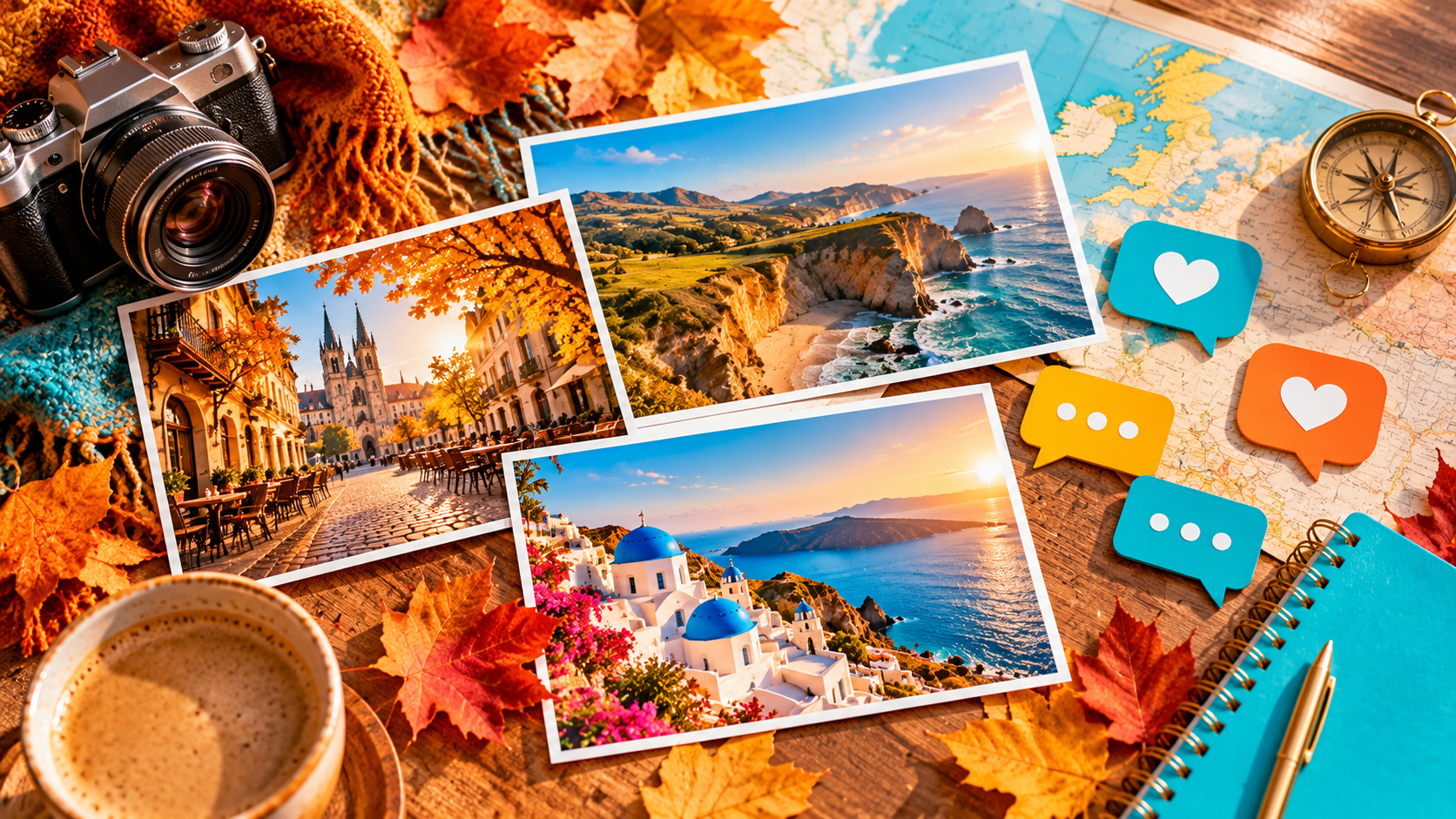
Vary the visuals too. An atmospheric landscape may prompt a couple to imagine an anniversary trip. A map of a cruise itinerary can be more useful than another photograph of a ship. A clean illustration comparing holiday styles can help a family choose between a beach resort and a villa. Use imagery you have permission to publish, and never present an illustrative AI-generated image as an accurate photograph of a named hotel.
Choose one clear next step across the campaign: ask prospective clients to share their approximate travel month, group size, departure airport, holiday style and budget. This makes a conversation possible without turning a social media comment into a booking commitment.
Four useful content angles to build around
1. Give people something to look forward to
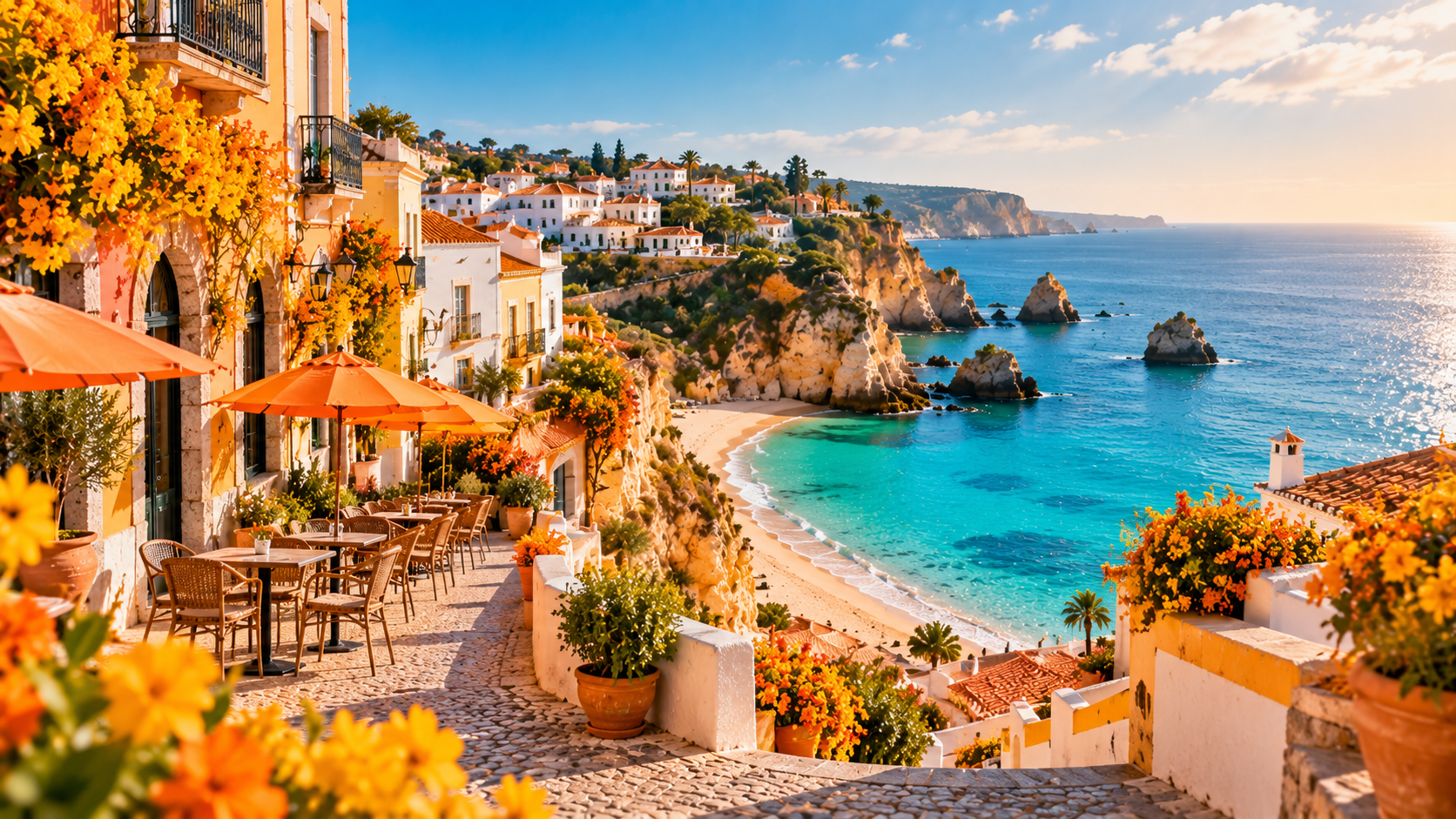
A destination-led photograph could introduce the idea that a holiday can begin with a conversation now even if departure is many months away. Ask whether clients prefer warm beaches, exploring new places or a relaxing cruise. The answer gives you a genuine starting point for understanding their interests.
2. Help them make a difficult choice
Explain two contrasting experiences. For example, a family resort with children's facilities and an apartment-style holiday where everyone has more flexibility. You could ask whether easy dining, space or location matters most. The content demonstrates consultancy rather than simply forwarding supplier offers.
3. Explain deposits without the small print surprise
A post about deposits can be valuable because customers often assume the amount due now is the only important figure. Explain that further amounts and final balances vary, that cancellation terms apply and that the whole holiday must fit the customer's budget. If you feature a real low-deposit arrangement, publish its verified conditions clearly.
4. Focus on a special future occasion
Milestone trips make strong content when you ask people about the experience rather than the price. "Celebrating a big birthday next year? Is your ideal trip a city filled with culture, a quiet beach retreat or something adventurous?" The conversation can lead to a more suitable recommendation than assuming everyone wants the same resort.
An example social post and email
Simple coordinated messages are usually more sustainable than running several disconnected campaigns. You can adapt the following wording to your audience and personal voice, provided any factual claims you add are verified.
A social media post
"Your 2027 holiday could start with one really good question: what would make it special? A family hotel that works for everyone, a cruise itinerary you've always wanted to try or somewhere beautiful to celebrate together? If you're thinking ahead, tell me roughly when you'd like to travel and what matters most. I'll help you explore the possibilities."
Pair it with relevant imagery and an easy enquiry route. Avoid publishing a price if you have not checked the exact dates, traveller numbers, room category and other conditions. A general inspirational post need not make any price claim at all.
An email for an appropriate subscriber
Suggested subject: "Already thinking about your 2027 holiday?"
"If a special trip is on your mind for next year, autumn is a useful time to think about the dates, who will be travelling and what kind of holiday you'd enjoy. Some options are already available to book; others may still need more planning. Tell me what you're considering and I can help you explore suitable arrangements, current availability and the payment terms."
Send this type of marketing only where the relevant UK rules allow it. An old enquiry or existing customer relationship does not give unrestricted permission to send promotional emails. Check consent or whether every condition for an applicable soft opt-in is met, and honour opt-outs. Our guide to segmenting your travel email list by genuine interests explains how to keep messages relevant.
Give interested clients an easy way to enquire
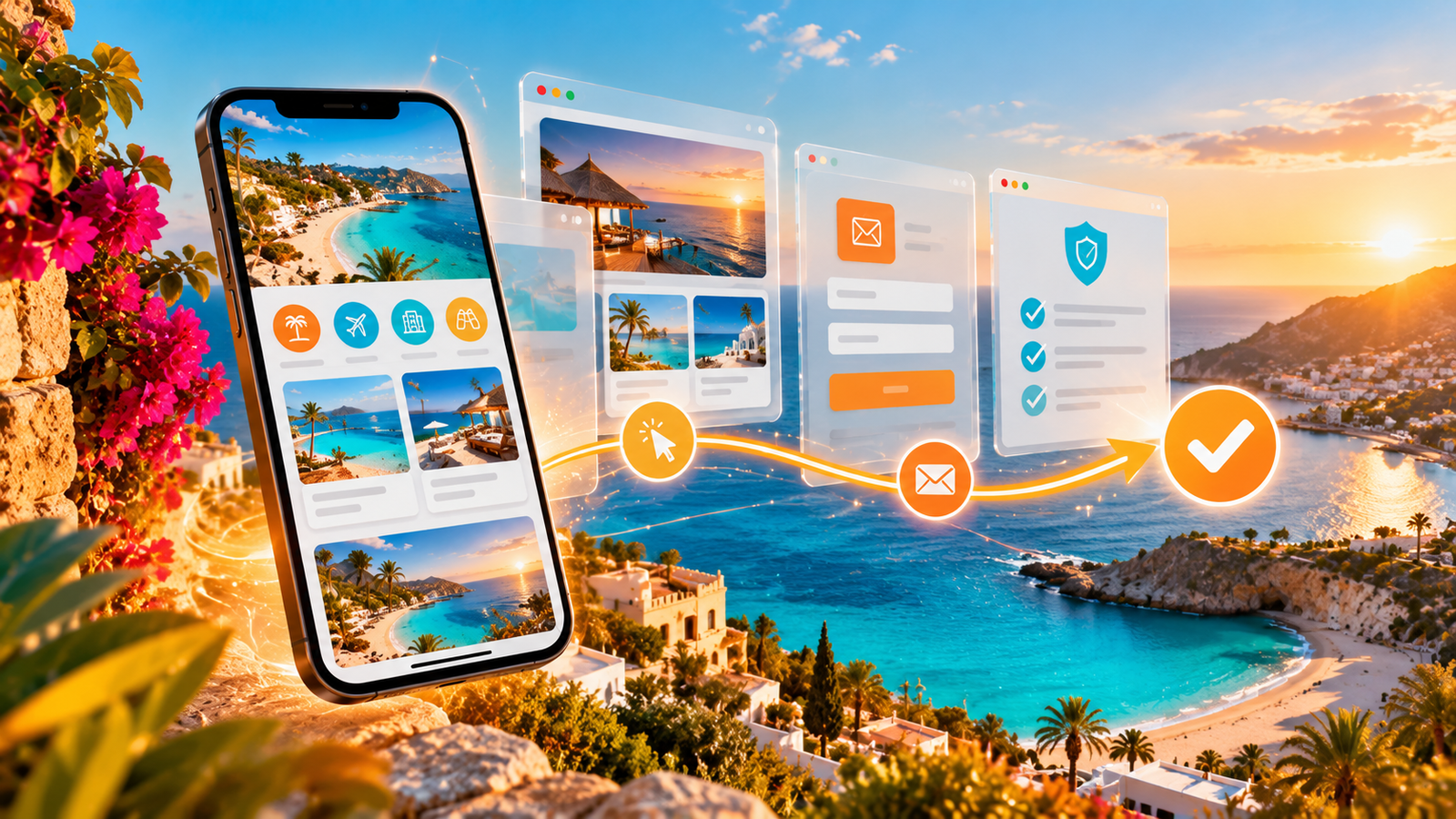
A campaign is only useful if people know what happens when they respond. Direct prospective customers to an approved website form or appropriate consultant contact channel. Ask for the information needed at this stage, such as possible travel dates, party size, departure airport, intended holiday style and approximate total budget.
Do not ask people to post private booking information or passport details in public comments. When an enquiry arrives, record the customer's needs in the approved CRM and agree a meaningful next step. If you are working part-time, set realistic expectations about when you will respond rather than promising instant personalised quotations.
The enquiry should be a beginning, not an obligation to buy. Some people will know their dates; others will need help choosing a destination or getting agreement from other travellers. If the right product is not yet on sale or the customer's plans are uncertain, explain the situation and arrange a suitable follow-up.
A realistic ten-day campaign launch
You do not need a month of scheduled advertising to test whether your audience is interested. A ten-day campaign can help you learn which future-holiday ideas generate meaningful conversations.
- Days 1-2: Select one audience and choose a clear message. Check which relevant suppliers and products can actually be sold, and familiarise yourself with their terms.
- Day 3: Publish an inviting destination or holiday-style post that asks a useful question and explains how to enquire.
- Days 4-5: Share a client-focused comparison or helpful planning tip, such as family room types, cruise itinerary choices or payment schedules.
- Day 6: Where appropriate, send a relevant email to eligible subscribers rather than your entire address book.
- Days 7-8: Respond to enquiries, understand individual priorities and prepare personalised quotations only when you have sufficient information.
- Days 9-10: Review qualified conversations, enquiries that need follow-up and which messages created the most helpful engagement.
Record what worked and reuse the learning rather than posting the same offers repeatedly. If you want to extend the idea beyond one promotion, see planning a 12-week travel marketing campaign for a manageable longer-term approach.
Keep payment claims and booking terms absolutely clear
Once a client wants a live quotation, the full price matters more than a headline deposit. Verify the actual departure dates, passenger details, accommodation, flights, luggage, transfers and mandatory charges. Explain whether a promotional first payment is the entire deposit or whether another deposit will be due before the final balance.
Make clear when the remaining payments are due and what could happen if a customer cancels or changes their holiday. Do not imply that a trip can always be cancelled free of charge because travel is next year. Never describe a holiday as ATOL-protected without checking which organiser and booking arrangement applies. The appropriate confirmation and protection documents matter just as much for a distant departure as for next week's holiday.
At The Independent Travel Consultants, consultants must follow approved pricing validation, customer booking authorisation and payment processes, as well as submit required booking notifications and arrange the correct confirmation and ATOL documentation where applicable. The customer must authorise the booking and make the required payment through the approved route before a consultant proceeds to book. A casual "yes" in a social media message is not enough.
Do not use artificial deadlines. A live fare may change, and a genuine supplier promotion may have a real closing date, but neither justifies making an unsupported claim that the customer must pay immediately. Professional advice includes explaining when waiting is reasonable.
Do not forget the client after taking a deposit
A confirmed future holiday may not depart for months. That gives the consultant a continuing responsibility to keep records accurate, communicate booking paperwork promptly and ensure important payment and supplier deadlines are clearly diarised. The client should know what they have booked, what is outstanding and whom to contact if their plans change.
Useful service updates could include a reminder about an agreed balance date, relevant documentation or a practical question that needs settling ahead of travel. They should not become an excuse for unwanted marketing. Keeping a client informed is different from adding them to an unrelated promotional sequence.
Likewise, a booking made today does not mean the consultant has already received the commission. At ITC, the standard 80% share is calculated on commission after applicable costs, not the total holiday price. Claims and payment timing depend on the booking and the applicable processes, so a forward sales pipeline should not be confused with immediate income.
Measure conversations, not just likes
A campaign may attract hundreds of views without generating a useful enquiry. Look at how many prospective customers shared realistic dates, budgets and needs, how many proceeded to an appropriate quotation and whether any became confirmed bookings. Record meaningful follow-up dates so that future leads are not forgotten.
If the post about family room choice generates detailed enquiries while a general sun-soaked photograph produces little more than reactions, that is useful information. It tells you which kind of advice your audience values. You do not need complex attribution software to recognise the difference between a conversation and a passing like.
Review the quality of the result as well as the quantity. An unsuitable enquiry that requires extensive research may be less productive than one from a customer who values your speciality. Repeat the successful themes while maintaining clear expectations and accurate supplier information.
Jamie Says:
"Book now and travel later should never mean convincing someone to pay a deposit just because they can. It means helping them think about the holiday they really want, explaining what can be secured and being completely clear about every payment and condition. A good consultant should be just as comfortable advising someone to wait as they are helping them book. That is how you build trust."
What this campaign teaches you about travel homeworking
A future-travel campaign illustrates many of the skills a travel homeworker develops. You identify the right audience, explain destinations, understand budgets, manage enquiries and use secure booking processes. It is a genuine self-employed business, not simply a matter of sharing travel photographs and collecting commission.
The Independent Travel Consultants is the homeworking division of Jamie Wake Travel. Consultants build their own client base with online training, approved supplier access, booking systems and ongoing support. There is no joining fee and the standard monthly membership is £50. Consultants start with an 80% share of commission after applicable booking and payment-processing costs. Bookings and income are not guaranteed, and the relevant training must be completed before trading.
If you enjoy helping people make thoughtful travel plans, you can explore becoming a self-employed travel homeworker with ITC and the professional support available.
A note for members of the public
This article is mainly written for people considering travel homeworking or improving their marketing skills with The Independent Travel Consultants. If you have found it while planning a holiday for next year, you are very welcome too. You can find a travel consultant in the UK through our public consultant directory who can help compare suitable trips, explain the actual payment terms and guide you through the booking process.
Frequently asked questions about book now, travel later campaigns
What does 'book now, travel later' mean?
It normally describes confirming travel for a future departure, often with an initial deposit and further payments later. The exact terms depend on the supplier and product. It does not automatically mean a no-obligation reservation, free cancellation or a credit arrangement.
Does booking a holiday early guarantee the best price?
No. Prices can rise or fall, and a lower deposit does not necessarily mean a lower total cost. It may be useful to book early for particular rooms, itineraries or fixed travel dates, but only claim a price guarantee if a genuine supplier guarantee applies.
Should every post in my campaign advertise a low deposit?
No. Consider posts about travel style, destination choice, flight times, accessibility or what makes a particular experience appealing. Mention a deposit only when you can verify the actual terms and explain the total financial commitment.
Can a part-time travel homeworker run this campaign?
Yes. A focused campaign aimed at one audience can be managed alongside other commitments, provided you have a reliable process for responding to enquiries and looking after clients with existing bookings.
Can I email previous customers about 2027 holidays?
Only where the applicable UK marketing rules permit it. Obtain suitable consent or check every condition for a relevant soft opt-in, make it easy to opt out, and respect objections. A past booking or enquiry does not give blanket permission for ongoing promotional messages.
What must happen before taking a holiday deposit?
The consultant must understand the client's requirements, verify the booking and financial-protection terms and use the business's required booking authorisation and secure payment process. At ITC, training, pricing validation, booking notifications and correct documentation form part of compliant booking procedures.
Begin a future-holiday conversation worth having
The best book now, travel later marketing is exciting because it helps people imagine a holiday they genuinely want. Give clients useful information and time to make decisions, choose appropriate products and make the financial commitment clear. Strong campaigns create trust before they create bookings.
If the thought of building your own travel business appeals to you, get in touch to arrange a friendly discovery call. We can explain the training, booking systems and ongoing support available through The Independent Travel Consultants and help you decide whether the self-employed model is the right fit.
About Jamie Wake
Jamie Wake is the founder of The Independent Travel Consultants and Jamie Wake Travel, helping people build sustainable travel businesses with practical training, supportive systems and genuine guidance behind them.
Having built his own travel business following redundancy, Jamie understands the uncertainty, determination and learning involved in starting something new. He combines hands-on experience of running a UK travel company with knowledge of travel sales, customer service, marketing, supplier relationships, compliance and day-to-day business operations.
Through The Independent Travel Consultants, Jamie shares practical, honest guidance about becoming a travel homeworker, attracting and supporting customers and building a business that feels personal, professional and sustainable—not simply chasing bookings at any cost.