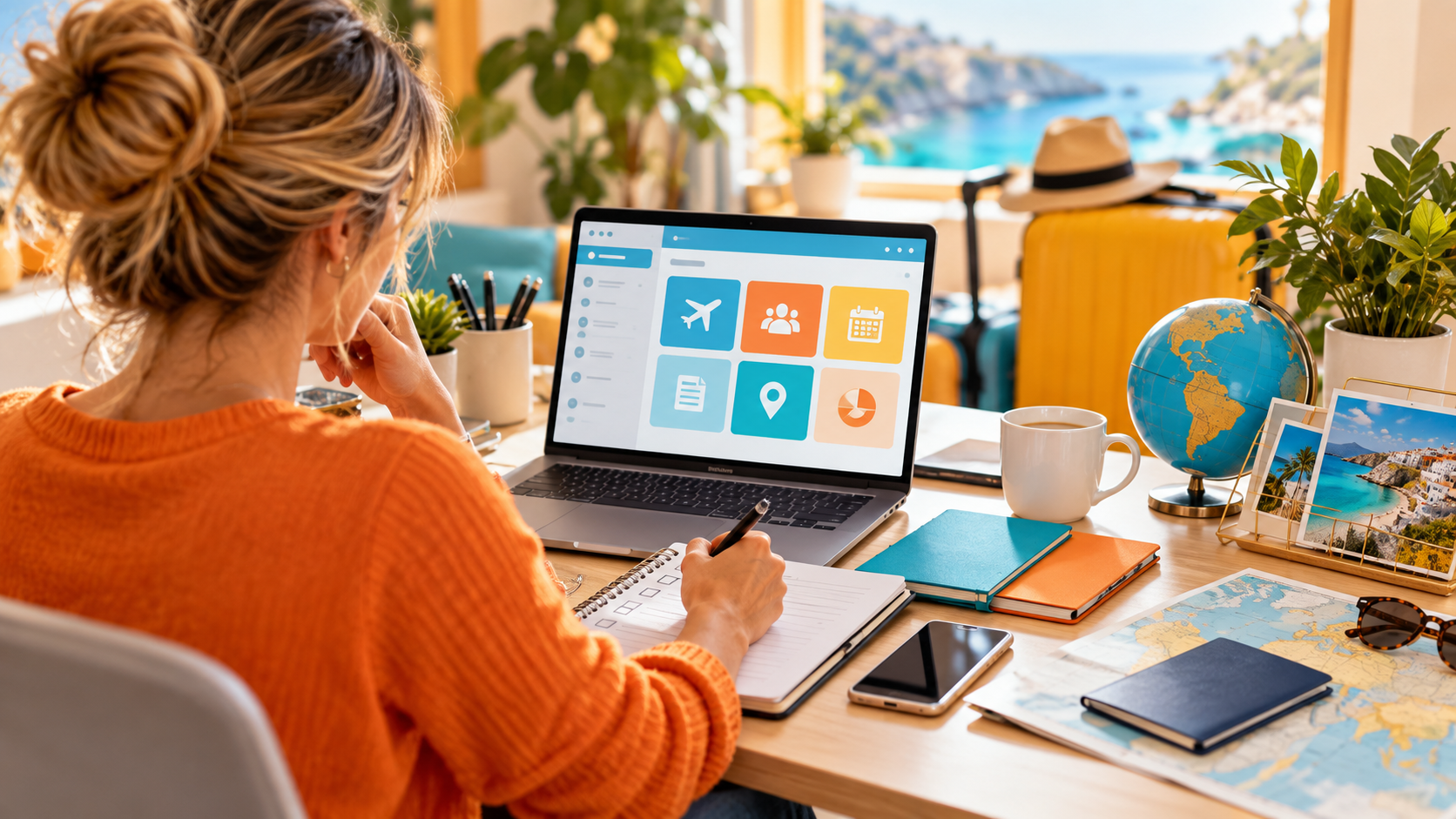
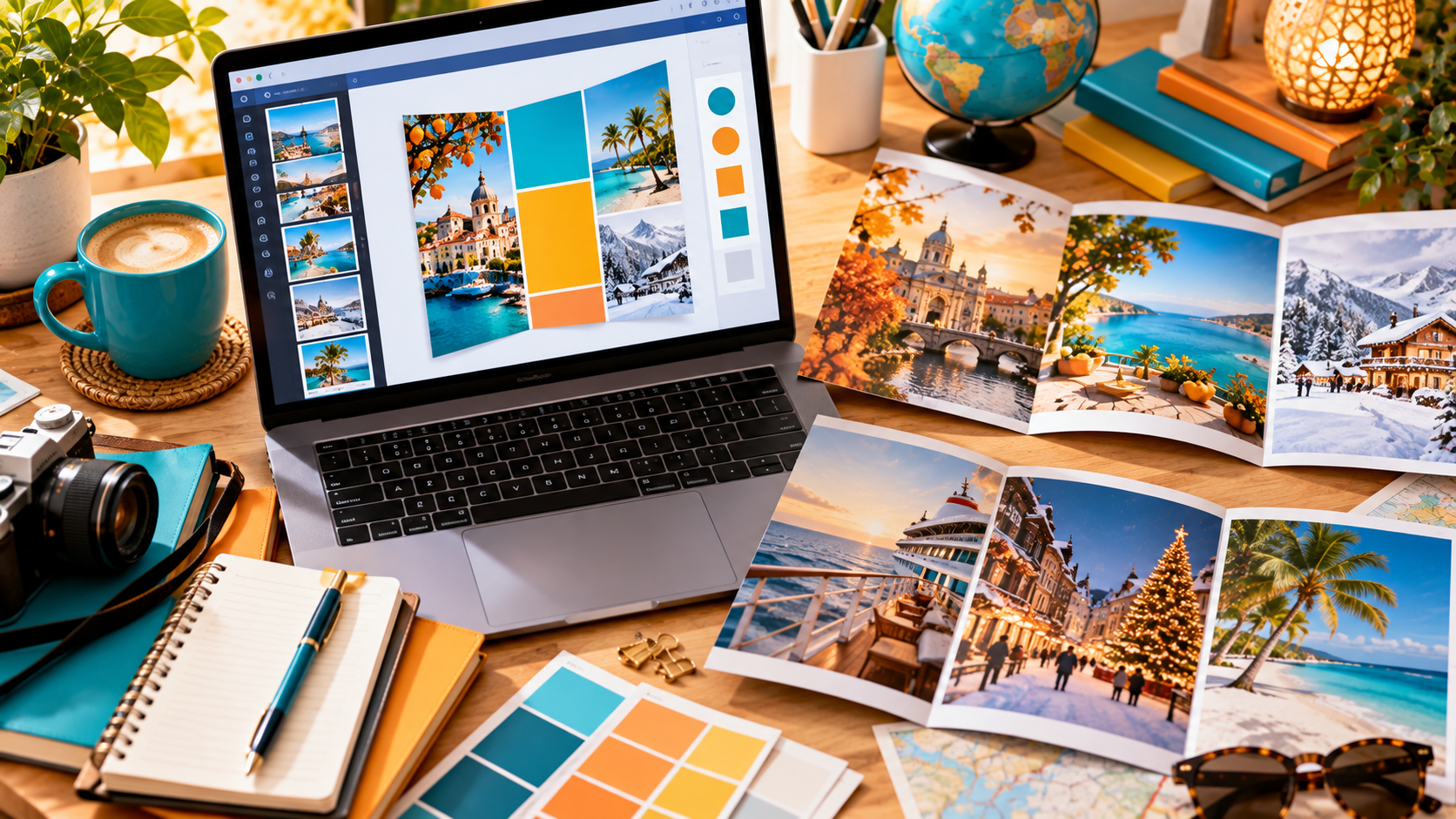
2026 travel social media planning is not about posting more — it’s about posting with purpose. For travel homeworkers, the first 90 days of the year set the tone for visibility, credibility, and future bookings. Start strong, and your content compounds. Drift into January without a plan, and you spend the rest of the year trying to catch up.
Unlike generic content strategies, travel social media must balance inspiration, expertise, trust, and consistency — all while fitting around real life. Many new travel homeworkers are juggling existing jobs, family commitments, and learning the industry itself. That’s why your social media plan needs to be realistic, repeatable, and designed for long-term momentum, not burnout.
This guide walks you through a clear, platform-agnostic 90-day framework for social media in early 2026 — tailored specifically to travel homeworking. No fluff. No trends for trend’s sake. Just smart planning that builds authority and leads.
Why the First 90 Days of 2026 Matter More Than Ever
January to March is one of the most strategically important periods in the travel calendar. Travellers are researching, dreaming, and planning — even if they’re not ready to book yet. Your social media presence during this time determines whether you’re seen as “someone who sells holidays” or a trusted travel expert.
For travel homeworkers, this is also when confidence is built. A clear plan removes the daily stress of “what should I post?” and replaces it with intention. Instead of reacting to algorithms, you’re building a narrative — one that positions you professionally from day one.
The strongest travel social accounts aren’t random. They’re predictable in the best way.
Step One: Set One Clear Goal for Q1
Before choosing platforms or post types, decide what success looks like by the end of March.
For most new travel homeworkers, your Q1 goal should be visibility and trust, not sales volume. That might mean:
- Becoming recognisable in your local area
- Being known for a specific travel niche
- Getting comfortable talking about travel publicly
- Generating conversations rather than bookings
Your social media content should serve one primary objective. When everything has a purpose, consistency becomes easier.
Step Two: Choose Platforms You Can Actually Maintain
A common mistake in 2026 travel social media planning is trying to be everywhere. You don’t need to master every platform — you need to show up reliably in the right places.
For most travel homeworkers, the strongest starting combination is:
- Facebook for community, trust, and longer explanations
- Instagram for inspiration, reels, and visibility
- Optional: TikTok or LinkedIn, not both
If you’re new to social media, start with one primary platform and one secondary. It’s better to post well twice a week than inconsistently across five platforms.
Remember: clients don’t care how many platforms you’re on — they care whether they remember you.
Step Three: Use Content Pillars (This Is Where Most People Go Wrong)
The reason many travel homeworkers burn out is not lack of ideas — it’s lack of structure.
For Q1 2026, you only need four content pillars:
1. Inspiration
This is the content people expect from a travel professional. Think destinations, experiences, and “what if” moments.
Examples include:
- Dream itineraries
- Seasonal travel ideas
- Bucket-list experiences
- Destination myths vs reality
This content attracts attention, but it shouldn’t be your only pillar.
2. Education
Education builds authority — especially important for new travel homeworkers who feel they lack experience.
Examples include:
- How booking works
- When to book certain trips
- Travel myths explained
- What protection really means
Educational content positions you as knowledgeable, not salesy.
3. Personal & Relatable
People book with people. This pillar builds connection.
Examples include:
- Why you became a travel homeworker
- Behind-the-scenes moments
- Learning milestones
- Honest reflections
You don’t need to overshare — just be human.
4. Proof & Trust
This pillar grows over time, but even in your first 90 days you can include:
- Supplier training updates
- Industry insights
- Booking processes explained
- Testimonials from previous roles or planning help
Trust content reassures people that you’re legitimate.
Your 90-Day Posting Framework (Realistic, Not Idealistic)
Here’s a structure that works for most travel homeworkers without taking over their lives.
Posting Frequency
- 2–3 posts per week
- 1 short-form video or reel per week (optional but powerful)
- Stories when natural, not forced
That’s it. Consistency beats volume every time.
January 2026: Laying the Foundations
January is about positioning, not selling.
Your focus:
- Introducing yourself properly
- Explaining how you help
- Setting expectations for your content
Content ideas:
- Why you became a travel homeworker
- What kind of trips you love planning
- What booking with a travel consultant actually means
- Travel myths you hear all the time
This month builds familiarity. People may not engage much yet — that’s normal.
February 2026: Building Authority and Confidence
By February, your content should feel calmer and more assured.
Your focus:
- Showing expertise
- Educating without overwhelming
- Reinforcing trust
Content ideas:
- Best time to book popular destinations
- How travel prices really work
- Why protection matters
- Planning timelines for 2026 and 2027 travel
This is when people start quietly paying attention.
March 2026: Encouraging Conversations
March is where momentum begins.
Your focus:
- Starting conversations
- Inviting messages
- Soft calls to action
Content ideas:
- “If you’re thinking about X destination, here’s what to know”
- Common mistakes travellers make
- How early planning saves stress
- Simple prompts inviting questions
You’re no longer just posting — you’re engaging.
How to Plan Without Spending Hours Each Week
Social media should support your travel business, not dominate it.
A simple planning rhythm:
- One planning session per month
- Outline 8–10 post ideas
- Batch-create where possible
- Reuse content across platforms
You don’t need new ideas every day. Repetition is part of branding.
Common Mistakes Travel Homeworkers Make in Q1
Avoid these, and you’re already ahead of most people:
- Waiting to “feel ready” before posting
- Copying influencer trends that don’t suit travel
- Posting only deals
- Disappearing for weeks, then returning apologetically
- Comparing yourself to full-time creators
Progress beats perfection.
Jamie Says:
“Social media isn’t about shouting the loudest — it’s about showing up consistently enough that people remember you when they’re ready to book. If you can do that in your first 90 days of 2026, you’re building a business, not just an account.”
Turning Planning Into Long-Term Momentum
The biggest win from strong 2026 travel social media planning isn’t likes or views — it’s confidence. When you know what you’re posting and why, you stop second-guessing yourself. That confidence shows, and people respond to it.
Travel homeworking is a long game. Social media done well supports that journey quietly and steadily, without pressure or panic.
You don’t need to go viral. You need to be visible.
Ready to Build Your Travel Business Properly?
If you’re serious about travel homeworking in 2026, planning your social media is just one piece of the puzzle. Support, training, confidence, and structure matter just as much as content.
At The Independent Travel Consultants, we help new and aspiring travel homeworkers build real, sustainable businesses — not side hustles held together with guesswork. From understanding how the industry works to knowing how to market yourself without feeling awkward, we’re here to guide you every step of the way.
If you’re ready to start 2026 with clarity instead of confusion,
get in touch and let’s talk about what your future in travel could look like.